


Condition
ACL and MCL Tears
The ACL sits inside the knee and stops the shin bone sliding forward and rotating, and the MCL runs along the inner side and resists the knee buckling inward.
- Seen at
- All three offices
- Typical wait
- Within the same week
- Treated with
- 3 procedures
In short
What acl & mcl tears actually is.
ACL and MCL Tears
The ACL sits inside the knee and stops the shin bone sliding forward and rotating, and the MCL runs along the inner side and resists the knee buckling inward. Ligament reconstruction is orthopedic surgery, and Dr. Sheikh does not repair ligaments. A complete ACL tear in an active person is a conversation with an orthopedic surgeon, and this practice's role in that case is diagnosis, pain control, and managing the pain before and after the operation. The non-surgical path is handled here: most MCL injuries, and ACL tears in patients who are not surgical candidates.
Symptoms
How it shows up.
If several of these sound like your week, it is worth having the source looked at properly.
- A loud pop at the moment of injury, which most people with an ACL tear remember clearly
- The knee swelling within a few hours rather than the following day
- The knee giving way or shifting when you turn, pivot or step off a curb
- Pain along the inner side of the knee with an MCL injury, often without the dramatic swelling
- Not being able to fully straighten or fully bend the knee
- A feeling that you cannot trust the leg, even once the swelling has gone down
- Deep aching after activity that continues for months after the original injury
What causes it
- A pivot or cut on a planted foot, which is how most ACL tears happen with no contact at all
- A blow to the outside of the knee that drives it inward, the classic MCL mechanism
- Landing from a jump with the knee straight and the body off balance
- Skiing, where the boot holds the lower leg and the ski twists the knee
- Returning to sport before strength and control had come back from a previous injury
- Landing mechanics and hip weakness that let the knee collapse inward, which make some athletes far more prone to non-contact tears
When to act
Stop waiting when this happens.
Do not sit on these
Any one of the following is a reason to be seen rather than to wait it out.
- The knee popped and swelled within hours, which needs assessment rather than waiting it out
- The knee gives way, locks or will not straighten
- You cannot bear weight on the leg
- The knee is hot, red and swollen with fever, which needs urgent care to rule out infection
- Pain is still limiting you months after the injury, whether or not you have had surgery
Diagnosis
Finding the actual source.
A diagnosis is not a guess from an image. It comes from the exam, the history and, where nerves are involved, electrodiagnostic testing.
- The story of the injury, since a non-contact pivot with an immediate pop and same day swelling points at the ACL, while a blow to the outside of the knee points at the MCL
- Lachman and pivot shift testing for the ACL, and valgus stress testing at zero and thirty degrees for the MCL, compared against the uninjured knee
- Checking for a locked knee or a block to full extension, which suggests a meniscus tear alongside the ligament injury
- X-ray first to rule out fracture, then MRI, which is what actually grades the ligament and shows what else was injured with it
- Nerve conduction studies when there is numbness or a foot that drops, since the peroneal nerve is injured in some knee sprains and needs its own assessment
- Referral to an orthopedic surgeon for the reconstruction decision when imaging confirms a complete ACL tear in someone who wants to return to pivoting sport
Nerve testing happens here, not elsewhere
EMG and nerve conduction studies are done in the office and read by Dr. Sheikh the same day, rather than sent out and waited on.
Treatment
How acl & mcl tears is treated.
Ordered from the most common first step to the options reserved for pain that has not responded.
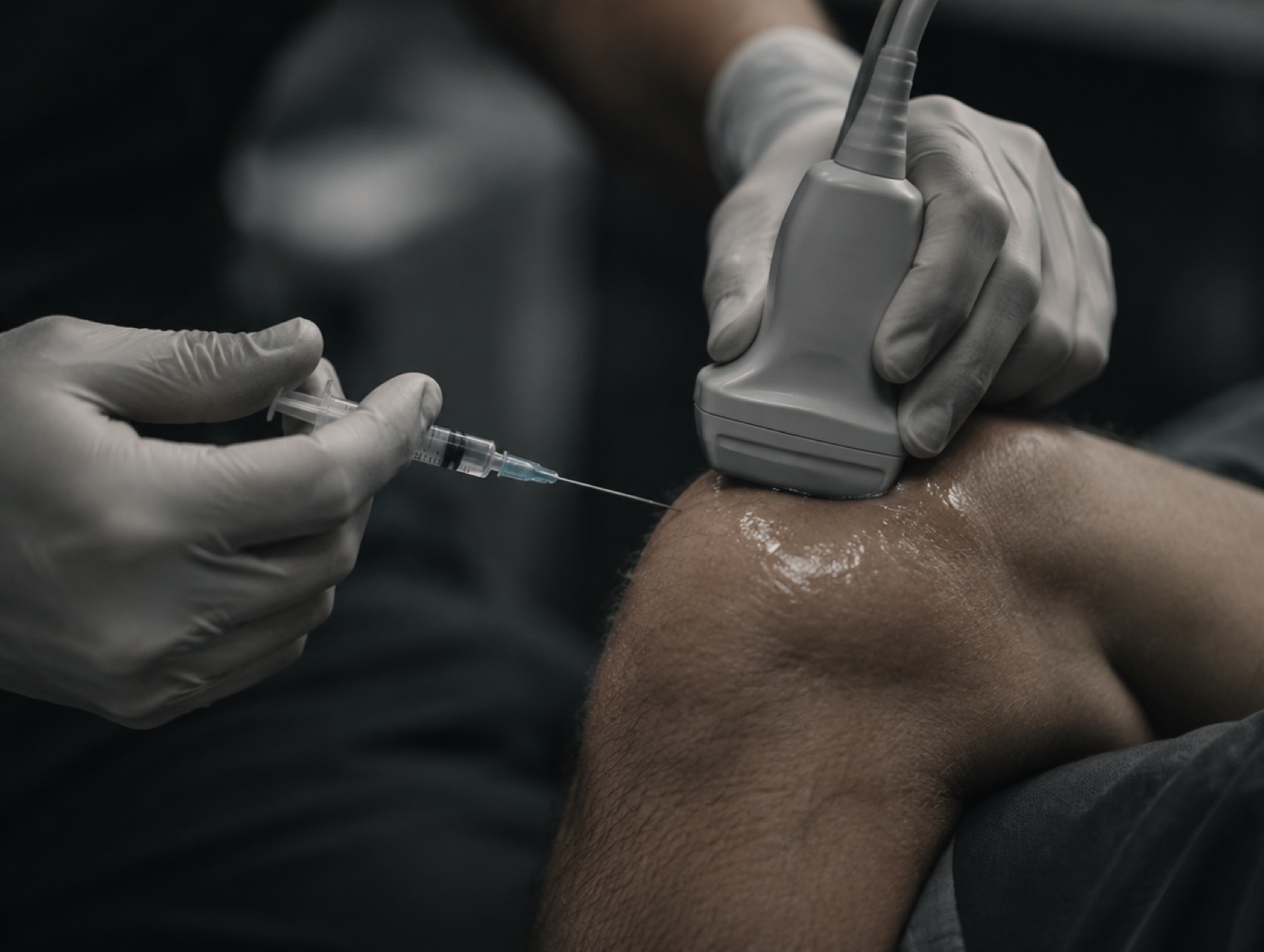 45 minJoint InjectionsA joint injection places medication directly into a painful joint, either a corticosteroid to reduce inflamma…Read more →
 15–45 minNerve BlockA nerve block is an injection of local anesthetic, often with a steroid, placed next to a specific nerve or c…Read more →
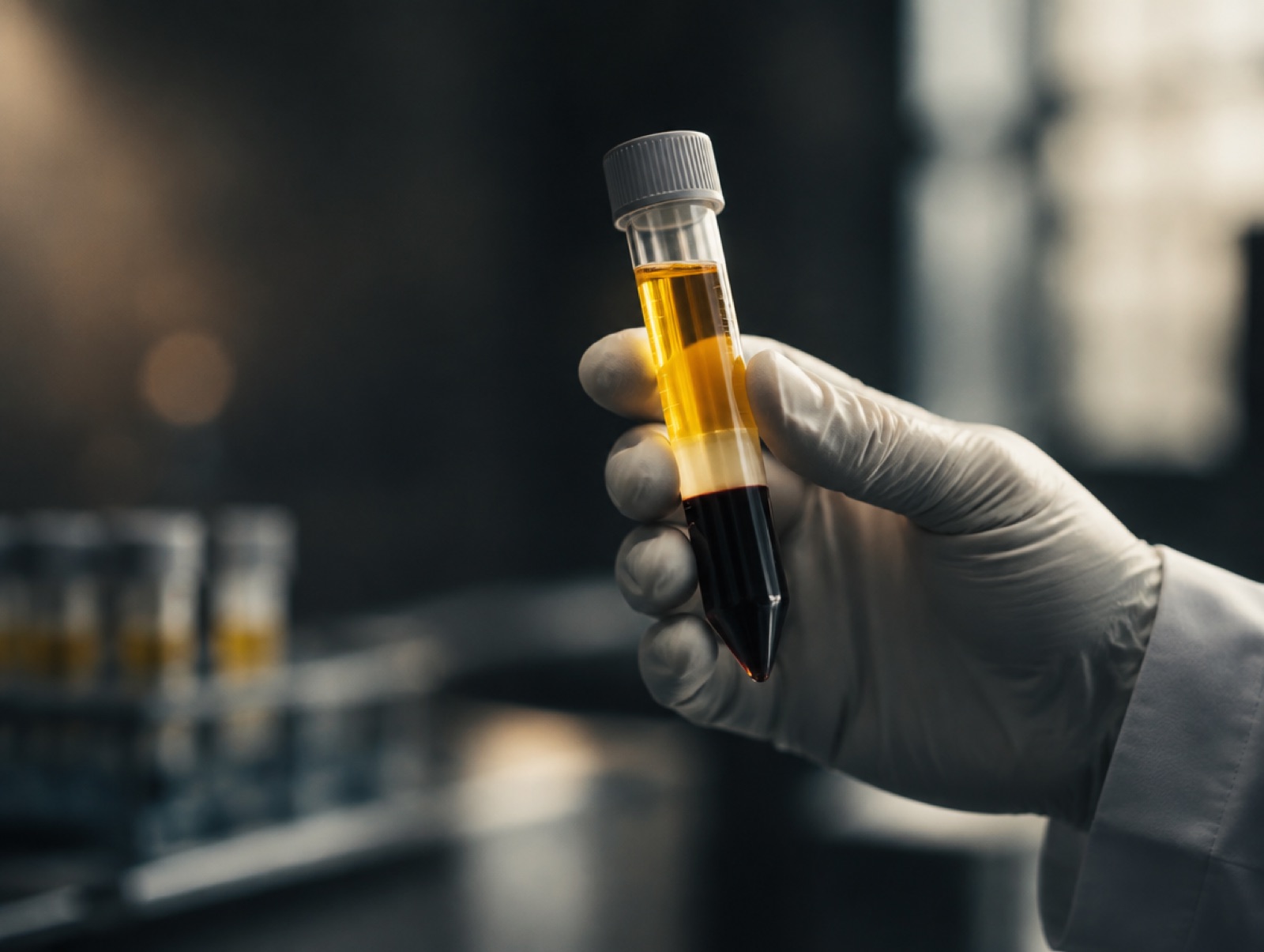 45–60 minPRP TherapyPRP therapy concentrates the platelets from a sample of your own blood and injects them into an injured tendo…Read more →
Questions
ACL and MCL Tears, answered.
Do you repair torn ligaments here?
No. Ligament reconstruction is surgery and it belongs with an orthopedic surgeon. What this practice does is establish exactly what is injured, control the pain while you get to that decision, manage pain before and after an operation so you can complete rehabilitation, and treat the patients whose injuries do not need surgery at all. We work alongside your surgeon rather than in place of one.
Can an ACL tear heal without surgery?
A complete tear does not knit back together. Some people still do well without reconstruction: older and lower demand patients whose activities do not involve cutting and pivoting can often build enough quadriceps and hamstring strength to stabilise the knee. Younger athletes who cut and pivot usually do need reconstruction, because repeated giving way damages the meniscus and cartilage. Partial tears are judged case by case by a surgeon.
Does an MCL tear need surgery?
Usually not. The MCL has a good blood supply and most isolated grade one and grade two injuries heal with bracing, protected weight bearing and a graded strengthening program over four to eight weeks. Surgery comes up when a complete tear stays unstable, or when the MCL is torn alongside the ACL. That decision sits with a surgeon, and the non-surgical care is what we handle.
Why does my knee still hurt after ACL surgery?
Pain after reconstruction is common and has several sources: the graft harvest site, the joint lining, scar tissue, and muscle that has not regained its strength. Some patients also develop a sensitised nerve around the incisions. Controlling that pain matters because unfinished rehabilitation is the most common reason a reconstructed knee stays painful. We coordinate with your surgeon and your therapist rather than working around them.
Will PRP fix a torn ACL?
No. There is interest in PRP for partial tears and for MCL injuries, and it may help pain and healing in some soft tissue injuries around the knee. It does not reconstruct a complete ACL and nobody should be sold it as an alternative to surgery. Where it is a reasonable option we will say so, and where it is not we will tell you that plainly.
Get a real diagnosis for acl & mcl tears.
Three New Jersey offices, most insurance accepted, and a real opening on the calendar.