
Treatment
Nerve Block
A nerve block is an injection of local anesthetic, often with a steroid, placed next to a specific nerve or cluster of nerves that is carrying your pain.
- Visit length
- 15–45 min
- Setting
- In the office
- Performed by
- Dr. Ednan Sheikh
- Offices
- Clifton, Jersey City, Edison
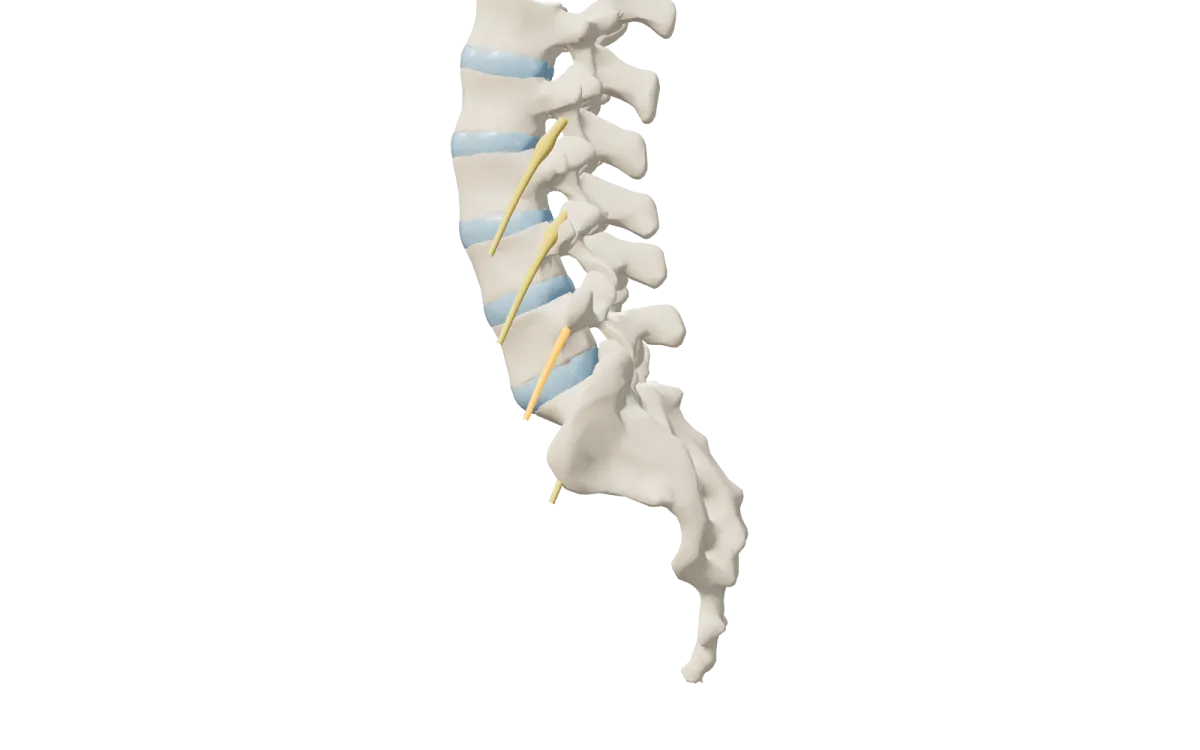
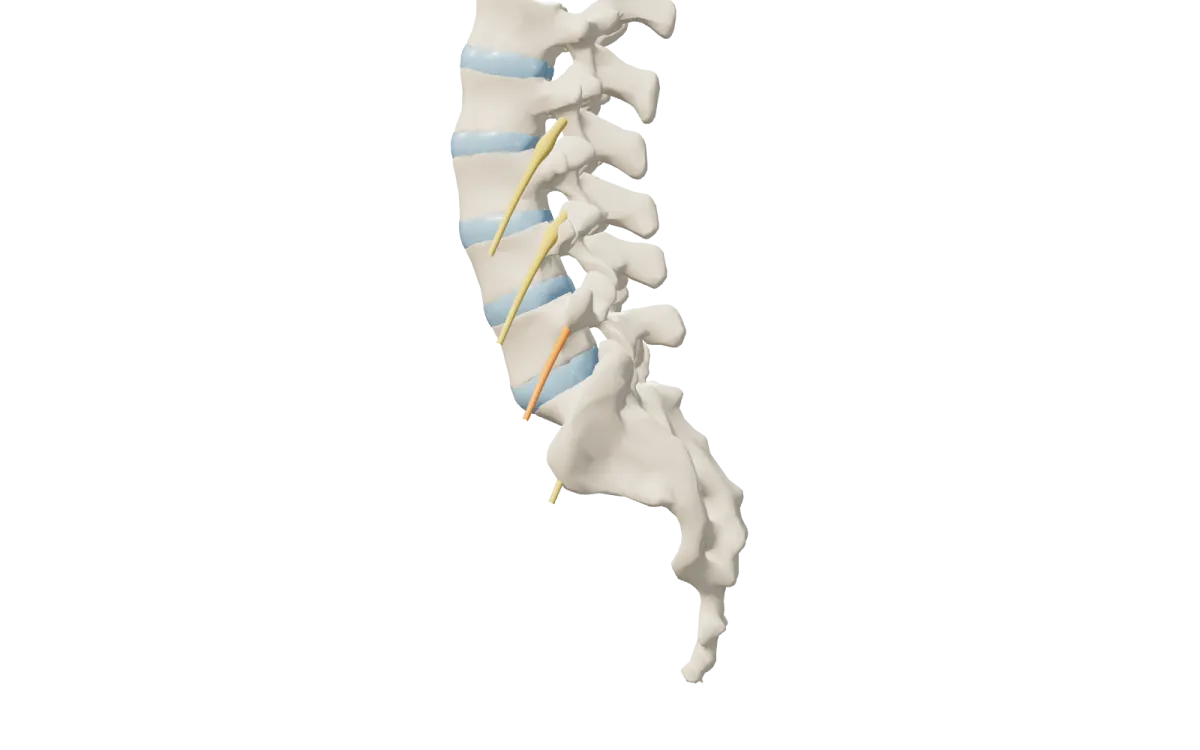 L4 nerve root

In short
What nerve block does.
Nerve Block
A nerve block is an injection of local anesthetic, often with a steroid, placed next to a specific nerve or cluster of nerves that is carrying your pain. It does two jobs at once: it relieves the pain, and it tells us whether that nerve is actually the source, because pain that goes away when the nerve is blocked is pain coming from that nerve. Blocks are used for headaches, arm and leg pain, rib pain and nerve pain that has not responded to medication.
Most blocks take 15 to 45 minutes depending on the site. Expect to be in the office about an hour.
Who it helps
Is this the right procedure for you?
It is worth asking about if any of these describe where you are now.
- Pain in one clear area that medication has not controlled
- Headaches that start at the base of the skull and spread forward
- Hand numbness and night pain from carpal tunnel syndrome
- Burning or shooting pain along a single nerve after an injury or shingles
- People who need to know which nerve is responsible before committing to a longer lasting treatment
- People trying to reduce or come off oral pain medication
Conditions
What it is used for.
 Neck PainNeck pain is pain in the cervical spine, the seven vertebrae between your skull and your shoulders.Read more →
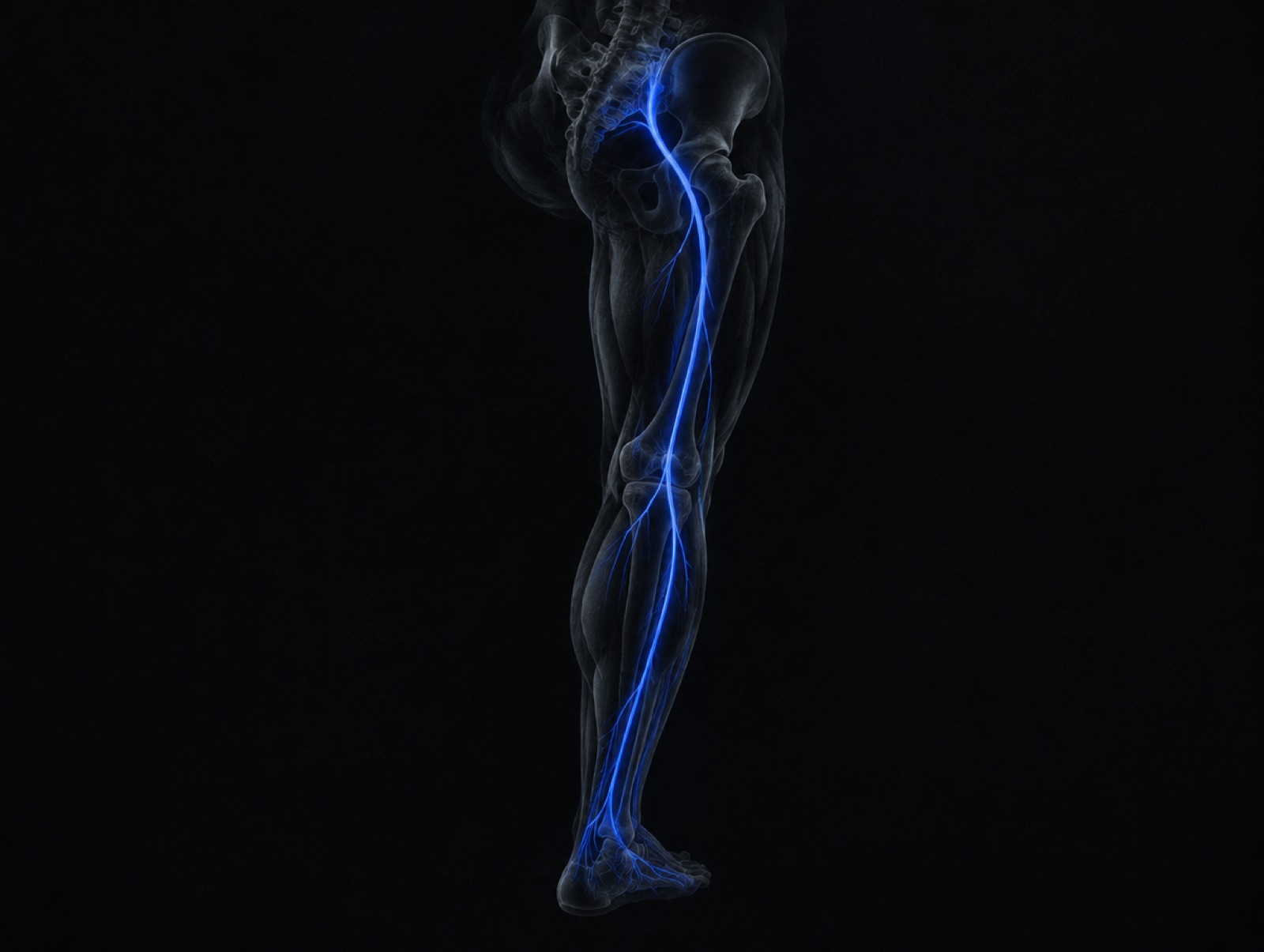 SciaticaSciatica is pain that travels from the low back or buttock down the back of the leg, following the sciatic ne…Read more →
 Peripheral NeuropathyPeripheral neuropathy is damage to the nerves outside the brain and spinal cord, most often the long nerves t…Read more →
 Carpal Tunnel SyndromeCarpal tunnel syndrome is compression of the median nerve where it passes through a narrow tunnel at the wris…Read more →
 Headaches & MigrainesMost recurring headaches fall into a few categories: migraine, tension type, cervicogenic headaches that orig…Read more →
 Sports InjuriesSports injuries are damage to muscle, tendon, ligament, cartilage or nerve from either a single traumatic eve…Read more →
The procedure
What actually happens, start to finish.
No surprises on the day. This is the whole thing, in order.
- 01
Mapping the pain
Dr. Sheikh examines you, traces where the pain travels and reviews your imaging and any EMG results. The goal is to name one nerve or one group of nerves as the likely source before a needle is anywhere near you.
- 02
Check-in and consent
You confirm your medications and allergies, sign consent and change if the target site requires it. Blood thinners may need to be held depending on which nerve is being blocked, and you will have been told this beforehand.
- 03
Positioning and sterile prep
You are positioned so the target nerve is easy to reach, sitting, lying on your back or lying face down depending on the block. The skin is cleaned with antiseptic solution and covered with a sterile drape.
- 04
Numbing the skin
Local anesthetic goes into the skin over the target. For a superficial block such as an occipital nerve block, this is close to the whole procedure. For deeper blocks it is the first of two needles.
- 05
Finding the nerve
Dr. Sheikh uses ultrasound or live X-ray to bring the needle next to the nerve. Ultrasound shows the nerve and the blood vessels around it in real time, which is why it is preferred for peripheral nerves in the limbs, neck and chest wall.
- 06
Test dose and injection
A small test amount is given first, and on fluoroscopy contrast dye confirms the spread. Then the anesthetic and steroid are injected slowly. You may feel a brief buzz or tingle along the nerve as the medication reaches it.
- 07
Measuring the result
You stay for 20 to 30 minutes and are asked to rate your pain before you leave, then again over the next several hours. That number matters. A block that takes away most of your pain for the life of the anesthetic points clearly to the next treatment.
After
Recovery, and the risks worth knowing.
Recovery
- The treated area may feel numb, heavy or weak for two to six hours while the anesthetic wears off. Protect a numb arm or leg from heat and from falls.
- Arrange a ride if a leg or arm was blocked, or if you had sedation.
- Soreness at the needle site for a day or two is normal. Ice, not heat, for the first 24 hours.
- Write down your pain score every few hours on the day of the block. This is the single most useful thing you can do for your next visit.
- Return to normal activity the next day unless you are told otherwise.
Risks
Every procedure carries risk. These are the ones worth knowing about, and Dr. Sheikh goes through them with you before you consent to anything.
- Bruising or soreness at the injection site
- Bleeding, which is why blood thinners are held before deeper blocks
- Infection, uncommon with sterile technique and treatable when caught early
- Temporary weakness or numbness beyond the intended area, which resolves as the anesthetic wears off
- Nerve irritation or, rarely, nerve injury causing lasting numbness or weakness
- Side effects specific to the site, such as a temporary droopy eyelid and hoarse voice after a stellate ganglion block
Questions
Nerve Block, answered.
Does a nerve block hurt?
You feel the numbing needle, which stings briefly. After that the main sensation is pressure, and sometimes a short buzz along the nerve when the medication reaches it. Most people rate the whole thing as easier than they expected.
How long does a nerve block last?
The anesthetic part lasts a few hours. If a steroid is included, relief often continues for weeks to a few months. Diagnostic blocks are meant to be short by design, since their job is to identify the nerve rather than to treat it long term.
What is the difference between a diagnostic and a therapeutic nerve block?
A diagnostic block uses anesthetic alone to answer a question: is this the nerve causing your pain. A therapeutic block adds a steroid to calm inflammation for longer. The same injection can serve both purposes.
Will I be asleep during the procedure?
No. You stay awake so you can report what you feel, which is part of the information the block provides. Light sedation is available for anxious patients on request.
What happens if the block works?
A block that clearly relieves your pain confirms the target. Depending on the nerve, the next step may be repeating the block, moving to radiofrequency ablation for longer relief, or focusing therapy on that specific problem.
What if the block does not help at all?
That is useful information, not a failure. It tells us the pain is coming from somewhere else, and we go back to the exam and imaging rather than repeating an injection that did nothing.
Related
Other procedures.
 15–30 minEpidural Steroid InjectionAn epidural steroid injection puts anti-inflammatory medication into the epidural space, the area just outsid…Read more →
 30–90 minRadiofrequency AblationRadiofrequency ablation uses heat from a radio wave to interrupt the small nerves that carry pain from an art…Read more →
 Trigger Point InjectionA trigger point injection treats a knot in a muscle, a tight band that will not release and that often refers…Read more →
 20–45 minSympathetic Nerve BlocksA sympathetic nerve block targets the sympathetic nervous system, the automatic network that controls blood f…Read more →
Ask whether nerve block is right for you.
Three New Jersey offices, most insurance accepted, and a real opening on the calendar.