
Treatment
Epidural Steroid Injection
An epidural steroid injection puts anti-inflammatory medication into the epidural space, the area just outside the covering of the spinal cord where irritated nerve roots sit.
- Visit length
- 15–30 min
- Setting
- In the office
- Performed by
- Dr. Ednan Sheikh
- Offices
- Clifton, Jersey City, Edison
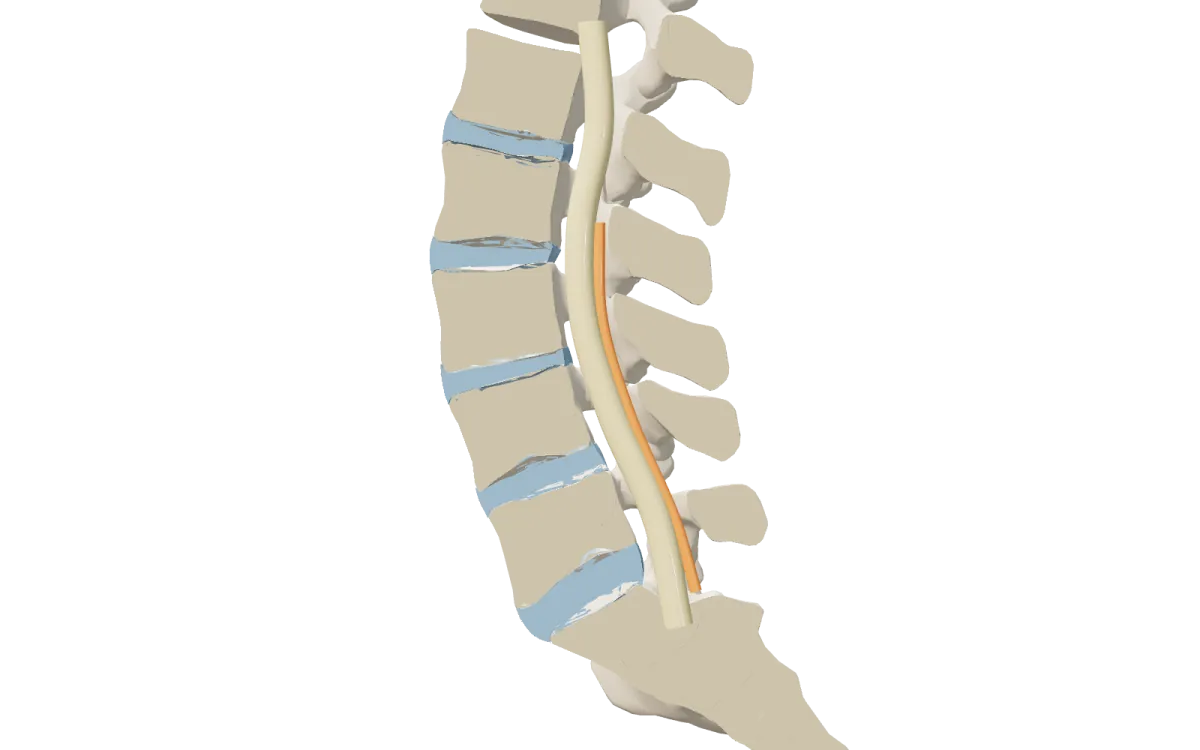 Epidural spaceNerve sac
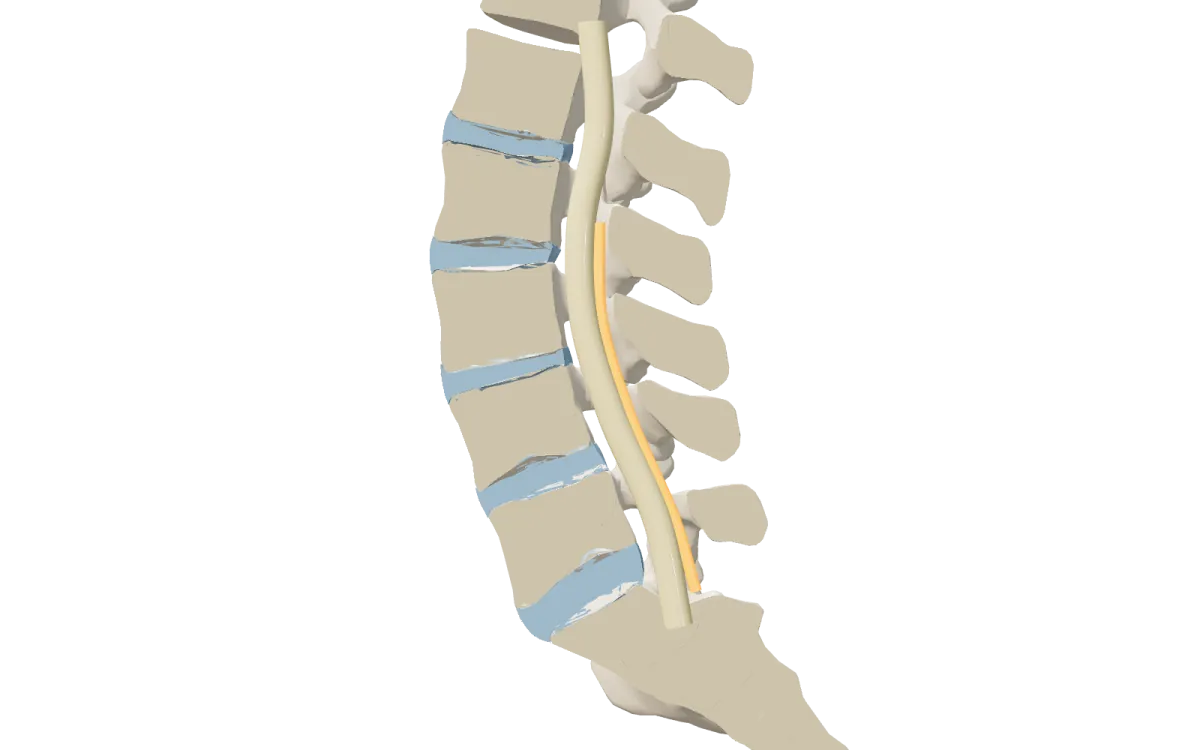

In short
What epidural injection does.
Epidural Steroid Injection
An epidural steroid injection puts anti-inflammatory medication into the epidural space, the area just outside the covering of the spinal cord where irritated nerve roots sit. It is used for pain that starts in the spine and travels into an arm or a leg, most often from a herniated disc, spinal stenosis or sciatica. Relief usually begins within three to seven days and lasts three to six months, which is enough time for physical therapy to make lasting progress.
The injection itself takes 15 to 30 minutes. Plan on 60 to 90 minutes in the office from check-in to discharge.
Who it helps
Is this the right procedure for you?
It is worth asking about if any of these describe where you are now.
- Pain that runs from the low back into the buttock, thigh or calf
- Neck pain that travels into the shoulder, arm or hand
- Numbness or tingling along the path of a single nerve
- Leg pain that gets worse with standing or walking and eases when you sit
- People who have tried six weeks of therapy, medication and rest without enough improvement
- People who want to postpone or avoid spine surgery
Conditions
What it is used for.
 Low Back PainLow back pain is pain in the area between the bottom of your ribs and the top of your hips.Read more →
 Neck PainNeck pain is pain in the cervical spine, the seven vertebrae between your skull and your shoulders.Read more →
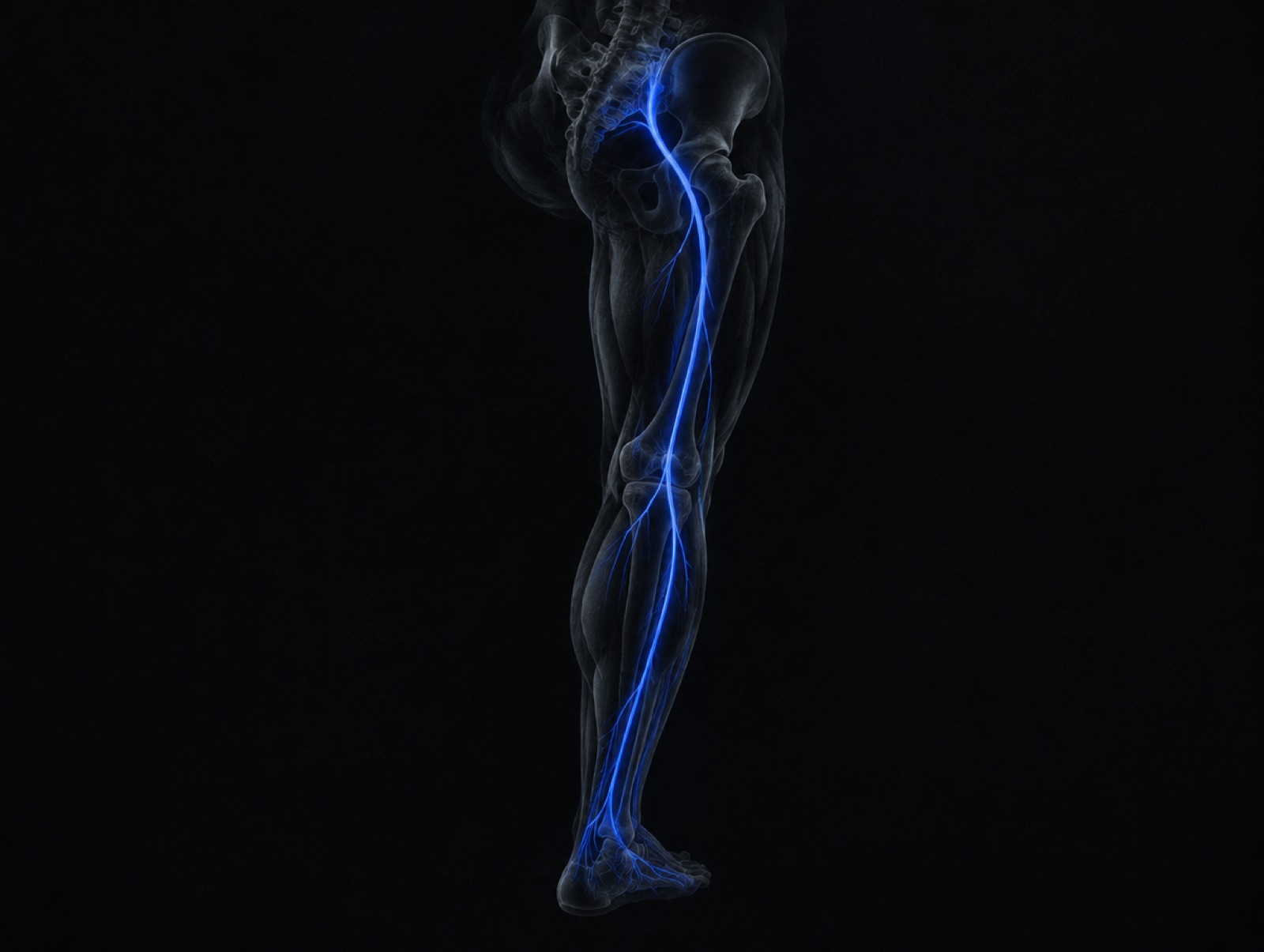 SciaticaSciatica is pain that travels from the low back or buttock down the back of the leg, following the sciatic ne…Read more →
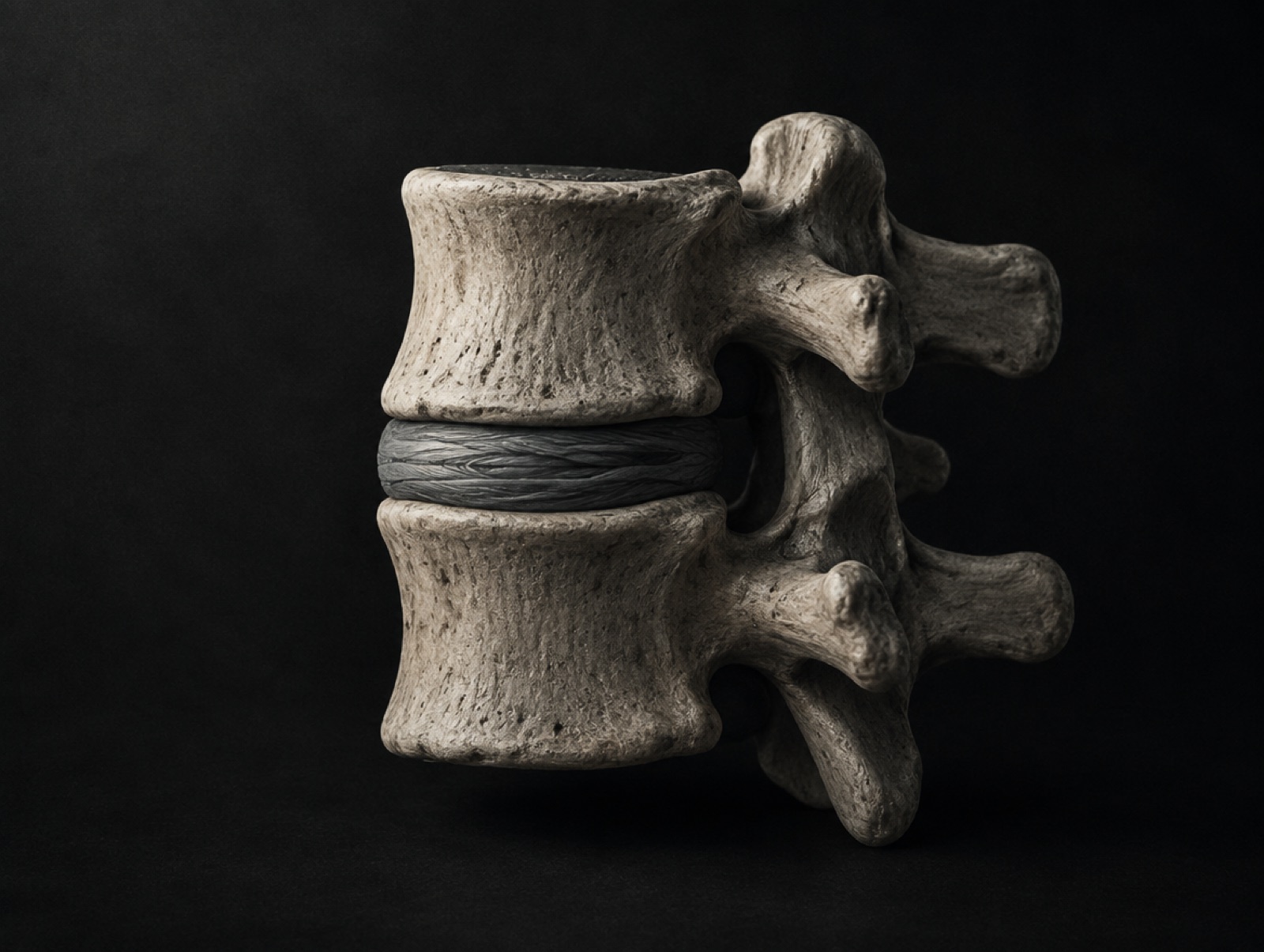 Herniated DiscA herniated disc happens when the soft center of a spinal disc pushes through a tear in its tough outer ring.Read more →
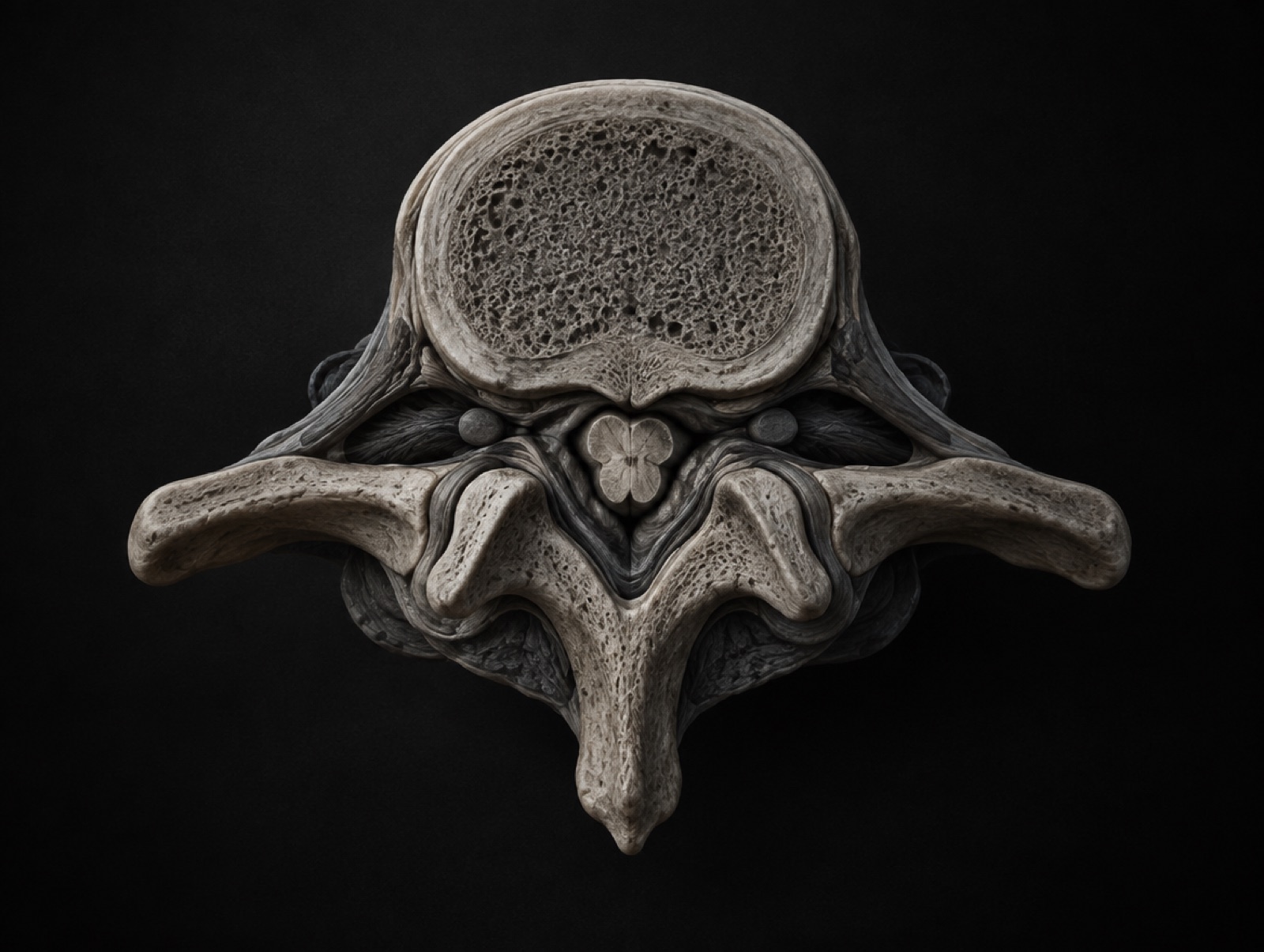 Spinal StenosisSpinal stenosis is narrowing of the space inside the spinal canal, which leaves less room for the spinal cord…Read more →
The procedure
What actually happens, start to finish.
No surprises on the day. This is the whole thing, in order.
- 01
Review before the day
Dr. Sheikh goes over your MRI or CT, your exam findings and your medication list. Blood thinners usually need to be held for a few days, and he will tell you exactly how long. If you take medication for diabetes, expect a plan for the blood sugar rise that steroids can cause.
- 02
Arrival and check-in
You sign consent, confirm your medication list and change into a gown. A nurse checks your blood pressure, pulse and blood sugar if you are diabetic. If you are having light sedation, an IV goes in at this point.
- 03
Positioning
For a lumbar injection you lie face down on the fluoroscopy table with a pillow under your hips to open the space between the vertebrae. For a cervical injection you lie face down with your head turned and supported. The skin over the target level is cleaned with antiseptic and draped.
- 04
Numbing the skin
A small needle delivers local anesthetic into the skin and the tissue underneath. This is the part most people feel, and it stings for a few seconds, similar to a dental injection. Everything after this is pressure rather than sharp pain.
- 05
Guiding the needle
Using live X-ray, Dr. Sheikh advances the injection needle toward the epidural space at the level your imaging and symptoms point to. He takes images in more than one plane to confirm depth and position before anything is injected.
- 06
Confirming with contrast
A small amount of contrast dye is injected and watched on the screen. The dye should spread along the epidural space and outline the nerve root. If it does not spread correctly, the needle is repositioned. Nothing goes in until the picture is right.
- 07
Delivering the medication
A corticosteroid mixed with local anesthetic is injected slowly. You may feel pressure or a brief reproduction of your usual pain as the fluid moves around the nerve. That sensation settles within a minute and is a useful sign that the medication reached the right nerve.
- 08
Recovery and discharge
You rest in the recovery area for 20 to 30 minutes while your vital signs are checked and any leg heaviness from the anesthetic wears off. You are given written instructions, a pain diary and a follow-up date, then discharged with your driver.
After
Recovery, and the risks worth knowing.
Recovery
- Arrange a driver. You cannot drive yourself home on the day of the injection.
- Take it easy for the rest of the day. Normal walking is fine, heavy lifting and gym work are not.
- Expect a sore spot at the injection site for one to three days. Ice for 15 minutes at a time helps more than heat.
- Pain can be worse for the first 48 hours before it improves. This is the steroid taking effect, not a sign the injection failed.
- Most people return to work the next day. Keep a simple daily pain score so your follow-up visit has real information in it.
- Start or restart physical therapy once the pain drops. The injection opens a window, therapy is what keeps it open.
Risks
Every procedure carries risk. These are the ones worth knowing about, and Dr. Sheikh goes through them with you before you consent to anything.
- Soreness and bruising at the injection site, common and short lived
- A temporary rise in blood sugar for two to five days, which matters most if you have diabetes
- Trouble sleeping, flushing of the face and chest, or a short mood change from the steroid
- Headache from a small leak of spinal fluid if the covering of the spinal cord is punctured, which happens in roughly one in a hundred cases and usually resolves with rest and fluids
- Infection, which is rare because of sterile technique but is the reason we ask you to call about fever or spreading redness
- Temporary weakness or numbness in the leg or arm for a few hours from the local anesthetic
Questions
Epidural Injection, answered.
Does an epidural steroid injection hurt?
The numbing shot stings for a few seconds. After that most people feel pressure rather than pain. If you feel your usual leg or arm pain during the injection, tell Dr. Sheikh, since that information helps confirm the right nerve is being treated.
Will I be asleep?
No. The procedure is done with local anesthetic and you stay awake so you can tell us what you feel. Light sedation is available if you are anxious, but it is not required and most people do fine without it.
How long does an epidural steroid injection last?
Most people get three to six months of relief. Some get longer, and a few get only a few weeks. The injection is most useful when you use that time to build strength through physical therapy rather than waiting for the pain to return.
How many injections can I have?
Up to three in a twelve month period is the usual limit, and they are spaced at least two to four weeks apart. If two injections have not helped, a third is unlikely to, and we would look at a different approach instead.
How soon will I feel better?
The local anesthetic can give you a few hours of relief right away. The steroid takes three to seven days to work. Judge the result at two weeks, not at two days.
Is it covered by insurance?
Epidural steroid injections are covered by most plans including Medicare when conservative care has been tried first. Our office verifies your benefits and handles prior authorization before scheduling so you know your cost in advance.
Can I go back to work the next day?
Most people with desk jobs return the next day. If your work involves heavy lifting or climbing, plan on two to three days off and ask for a written note at your visit.
Related
Other procedures.
 15–45 minNerve BlockA nerve block is an injection of local anesthetic, often with a steroid, placed next to a specific nerve or c…Read more →
 30–90 minRadiofrequency AblationRadiofrequency ablation uses heat from a radio wave to interrupt the small nerves that carry pain from an art…Read more →
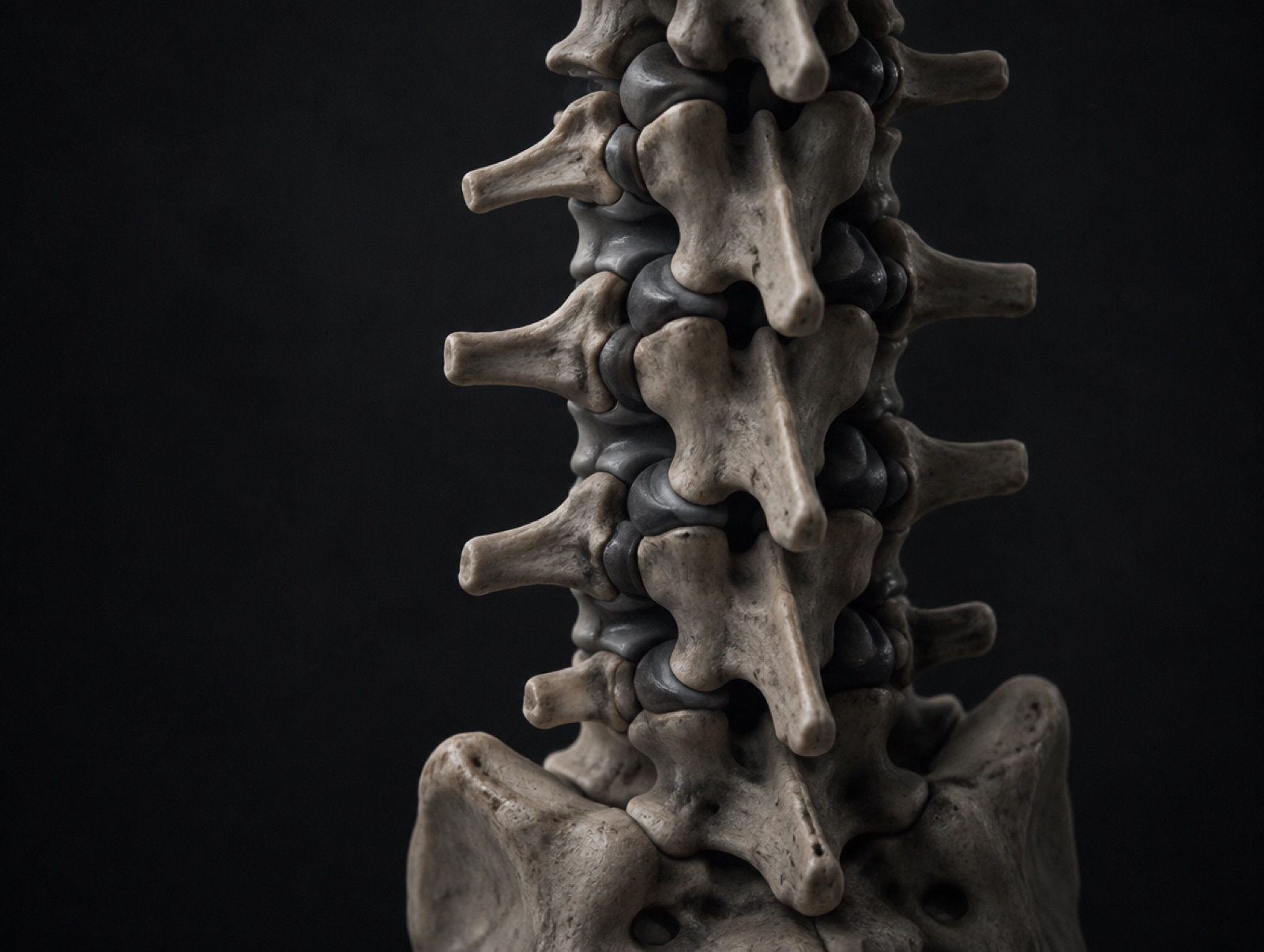 Facet Joint InjectionA facet joint injection treats the small paired joints at the back of the spine that let you bend and twist.Read more →
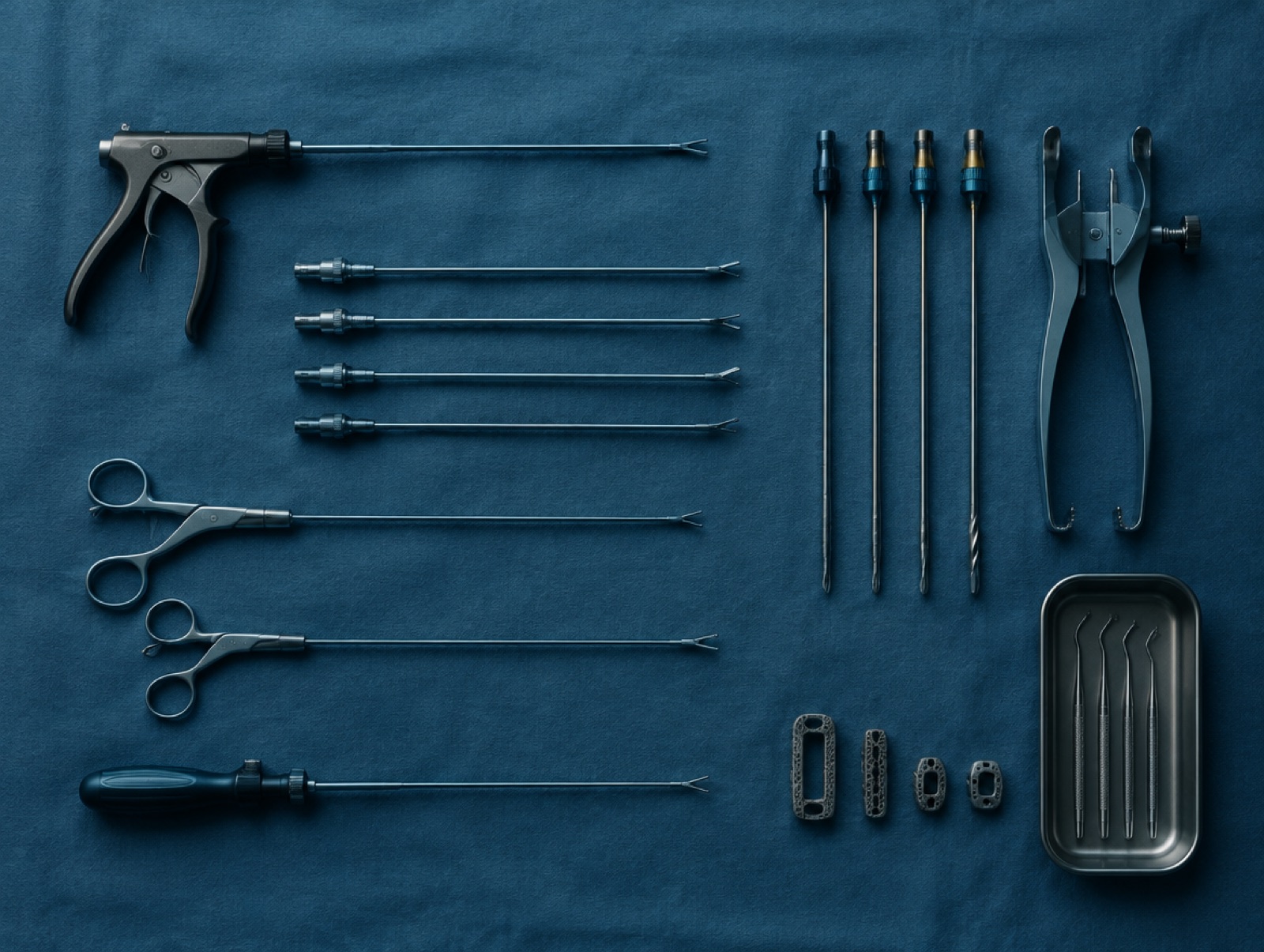 30–60 minPercutaneous DiscectomyPercutaneous discectomy removes a small amount of material from a bulging or herniated disc through a needle,…Read more →
Ask whether epidural injection is right for you.
Three New Jersey offices, most insurance accepted, and a real opening on the calendar.