
Treatment
Radiofrequency Ablation
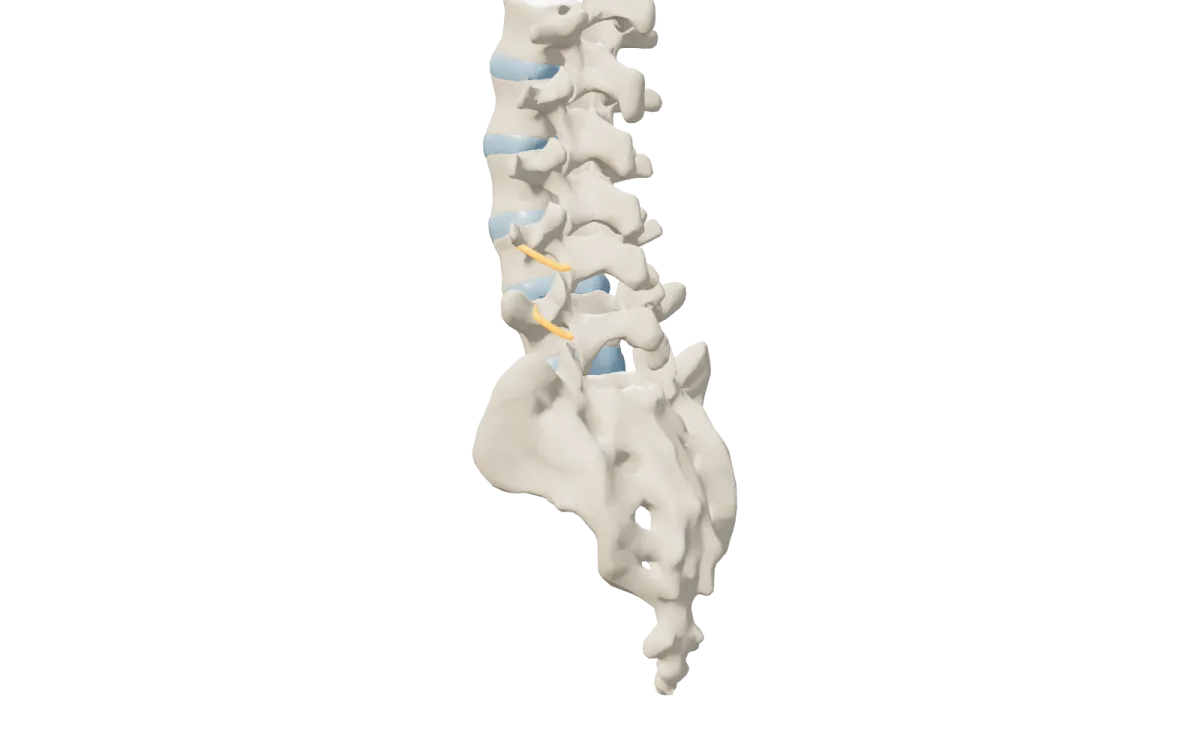
Radiofrequency ablation uses heat from a radio wave to interrupt the small nerves that carry pain from an arthritic spinal joint.
- Visit length
- 30–90 min
- Setting
- In the office
- Performed by
- Dr. Ednan Sheikh
- Offices
- Clifton, Jersey City, Edison
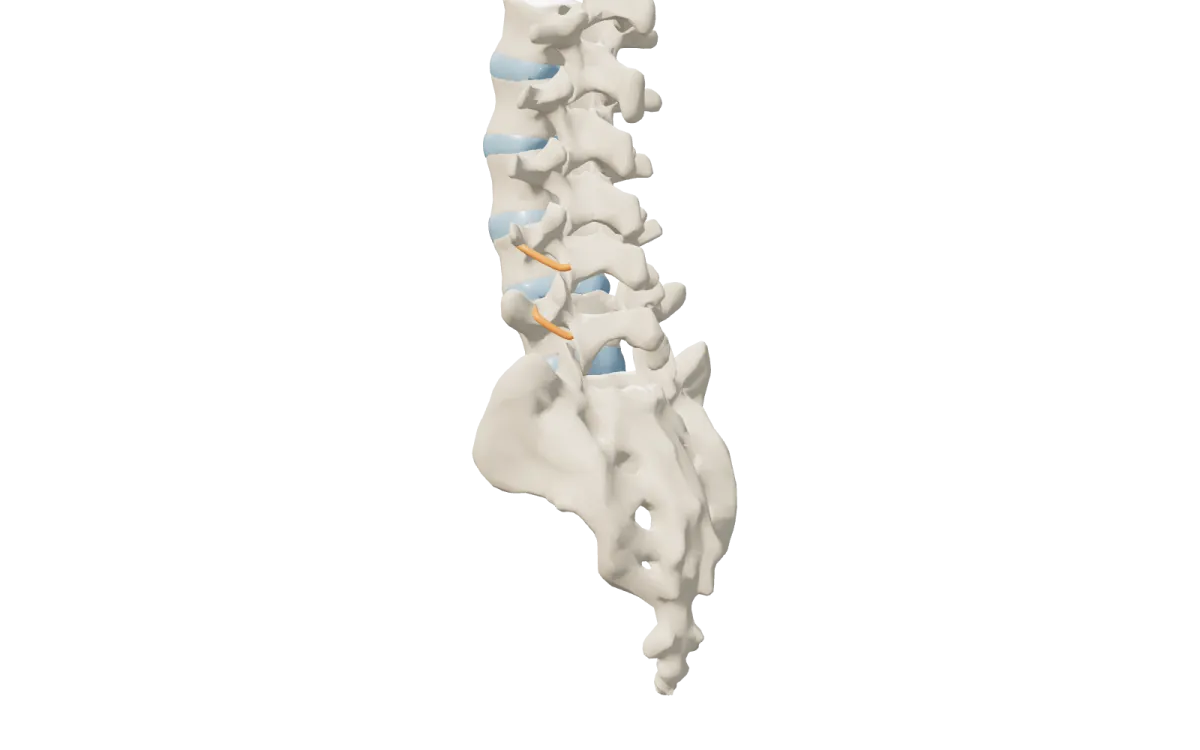 Medial branch nervesFacet joint

In short
What rfa does.
Radiofrequency Ablation
Radiofrequency ablation uses heat from a radio wave to interrupt the small nerves that carry pain from an arthritic spinal joint. It is offered only after diagnostic nerve blocks have confirmed that those specific nerves are the source, so it is a second step rather than a first one. Relief typically lasts six to twelve months, sometimes longer, and the procedure can be repeated when the nerves regrow.
The ablation takes 30 to 90 minutes depending on how many levels are treated. Plan on two hours in the office.
Who it helps
Is this the right procedure for you?
It is worth asking about if any of these describe where you are now.
- Chronic neck or low back pain that has lasted more than six months
- Pain from facet joint arthritis that is worse with bending backward and with standing
- Sacroiliac joint pain felt just below the belt line on one side
- People who got clear but temporary relief from diagnostic medial branch blocks
- People with ongoing pain after spine surgery
- People who want to reduce how often they need injections or pain medication
Conditions
What it is used for.
 Low Back PainLow back pain is pain in the area between the bottom of your ribs and the top of your hips.Read more →
 Neck PainNeck pain is pain in the cervical spine, the seven vertebrae between your skull and your shoulders.Read more →
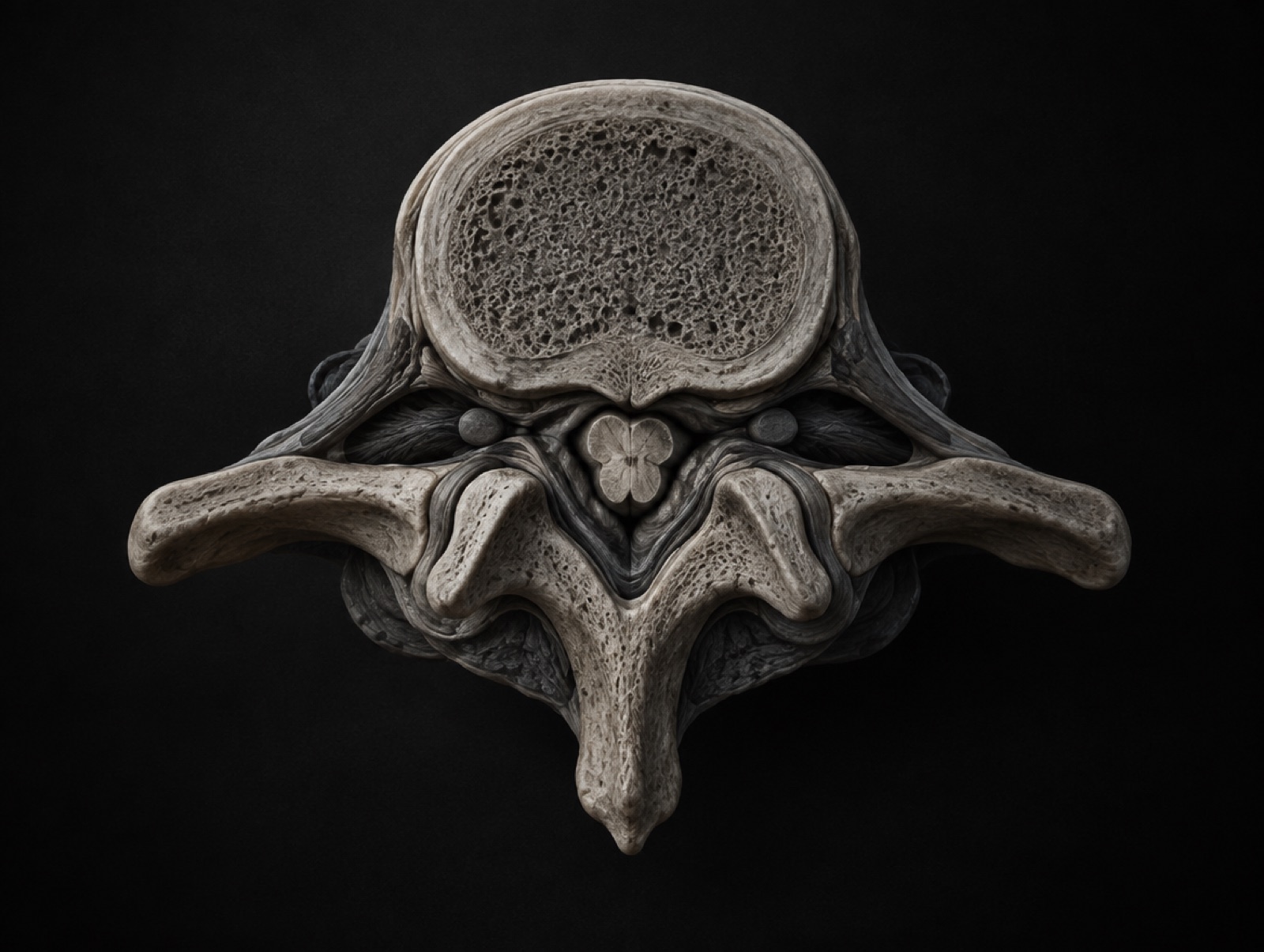 Spinal StenosisSpinal stenosis is narrowing of the space inside the spinal canal, which leaves less room for the spinal cord…Read more →
 Arthritis & Joint PainArthritis is wear and inflammation of the cartilage that cushions a joint, most often the knees, hips, should…Read more →
The procedure
What actually happens, start to finish.
No surprises on the day. This is the whole thing, in order.
- 01
Diagnostic blocks first
Before any ablation, Dr. Sheikh numbs the medial branch nerves that supply the suspected joint. This is usually done twice on separate days. If both blocks give you clear short term relief, the target is confirmed and ablation is worth doing.
- 02
Arrival and preparation
You check in, review medications, sign consent and change into a gown. A nurse places an IV if you are having light sedation and checks your vital signs. Grounding pads are placed on your skin so the radiofrequency current has a safe return path.
- 03
Positioning on the table
You lie face down on the fluoroscopy table with pillows placed to flatten the curve of your spine. The skin over the target levels is cleaned and draped. Dr. Sheikh takes X-ray images to line up the exact bony landmarks.
- 04
Numbing the path
Local anesthetic is injected into the skin and down through the muscle along the path each probe will travel. There is more numbing here than with a simple injection, because the probes go deeper and stay in place longer.
- 05
Placing the probes
Insulated needles are advanced under live X-ray to sit against the bone where the medial branch nerve crosses. Position is checked in several views. Multiple probes are usually placed, since each joint gets sensation from two nerves.
- 06
Testing before heating
A small electrical current is passed through each probe. A buzzing or tapping feeling in your usual pain area confirms the probe is on the sensory nerve. A second test at a different frequency confirms it is not near a nerve that moves your leg. Nothing is heated until both tests are right.
- 07
The ablation
More anesthetic goes through the probe, then the tip is heated to roughly 80 degrees Celsius for 60 to 90 seconds at each site. You may feel warmth or a deep ache during this. The probes are repositioned and the cycle repeats for each nerve.
- 08
Recovery and discharge
The probes come out, small bandages go on, and you rest for 20 to 30 minutes. You leave with aftercare instructions and a follow-up appointment at four to six weeks, which is when the full effect can be judged.
After
Recovery, and the risks worth knowing.
Recovery
- Arrange a driver. Do not plan to drive yourself home.
- Expect soreness in the treated area for three to ten days, sometimes with a sunburn like feeling on the skin. Ice helps in the first 48 hours.
- Some people have a temporary flare of their usual pain in the first week. This is normal and settles.
- Relief builds gradually over two to four weeks as the treated nerves stop transmitting. Judge the result at six weeks.
- No heavy lifting or strenuous exercise for one week. Walking is encouraged from day one.
- Once the pain settles, begin core and posture work. The nerves will eventually regrow, and stronger support around the joint makes the next flare smaller.
Risks
Every procedure carries risk. These are the ones worth knowing about, and Dr. Sheikh goes through them with you before you consent to anything.
- Soreness and bruising at the probe sites, common and short lived
- A pain flare in the first one to two weeks before relief sets in
- A patch of numbness or increased skin sensitivity over the treated area that usually fades over weeks
- Temporary weakness in nearby muscles, uncommon and self limiting
- Infection or bleeding, rare with sterile technique and screening for blood thinners
- Incomplete relief, since roughly one in four people do not respond as well as their diagnostic blocks predicted
Questions
RFA, answered.
How long does radiofrequency ablation last?
Most people get six to twelve months of relief, and some get two years. The nerves regrow over time, which is why the pain can return. The procedure can be repeated safely when it does.
Does radiofrequency ablation hurt?
The numbing injections sting, and during the heating cycles you may feel warmth or a deep ache for about a minute at each site. It is more involved than a simple injection but still well tolerated with local anesthetic and optional light sedation.
Why do I need nerve blocks before the ablation?
Ablation is worth doing only on nerves we have proven are carrying your pain. The diagnostic block is a short, low risk test of exactly that. Skipping it leads to procedures that do not work.
Will I be asleep?
No. You need to be awake for the stimulation testing that confirms probe placement and protects the motor nerves. Light sedation is available, but you stay responsive enough to answer questions.
When will I know if it worked?
Give it four to six weeks. The first week or two can be sore and misleading. The real answer comes once the post-procedure irritation has settled.
Does cutting these nerves cause weakness?
No. The medial branch nerves treated in ablation carry sensation from the joint and supply only a small stabilizing muscle. They do not control leg or arm strength, and the stimulation test before heating confirms that motor nerves are clear of the probe.
Can radiofrequency ablation be repeated?
Yes. Once the nerves regrow and the pain returns, usually after six to eighteen months, the procedure can be done again with similar results.
Related
Other procedures.
 15–45 minNerve BlockA nerve block is an injection of local anesthetic, often with a steroid, placed next to a specific nerve or c…Read more →
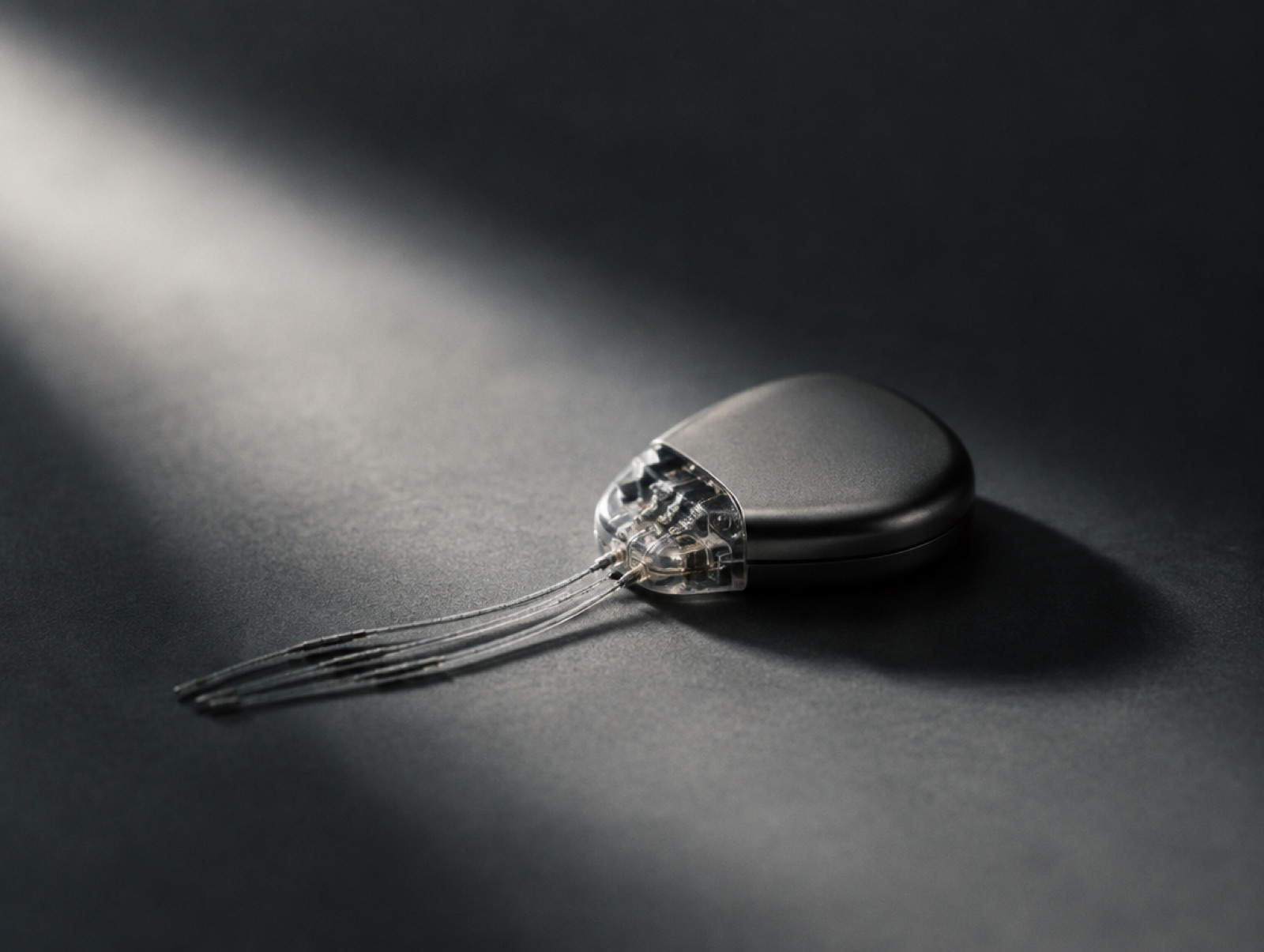 30–45 minSpinal Cord StimulationSpinal cord stimulation uses mild electrical pulses delivered through thin wires placed near the spinal cord…Read more →
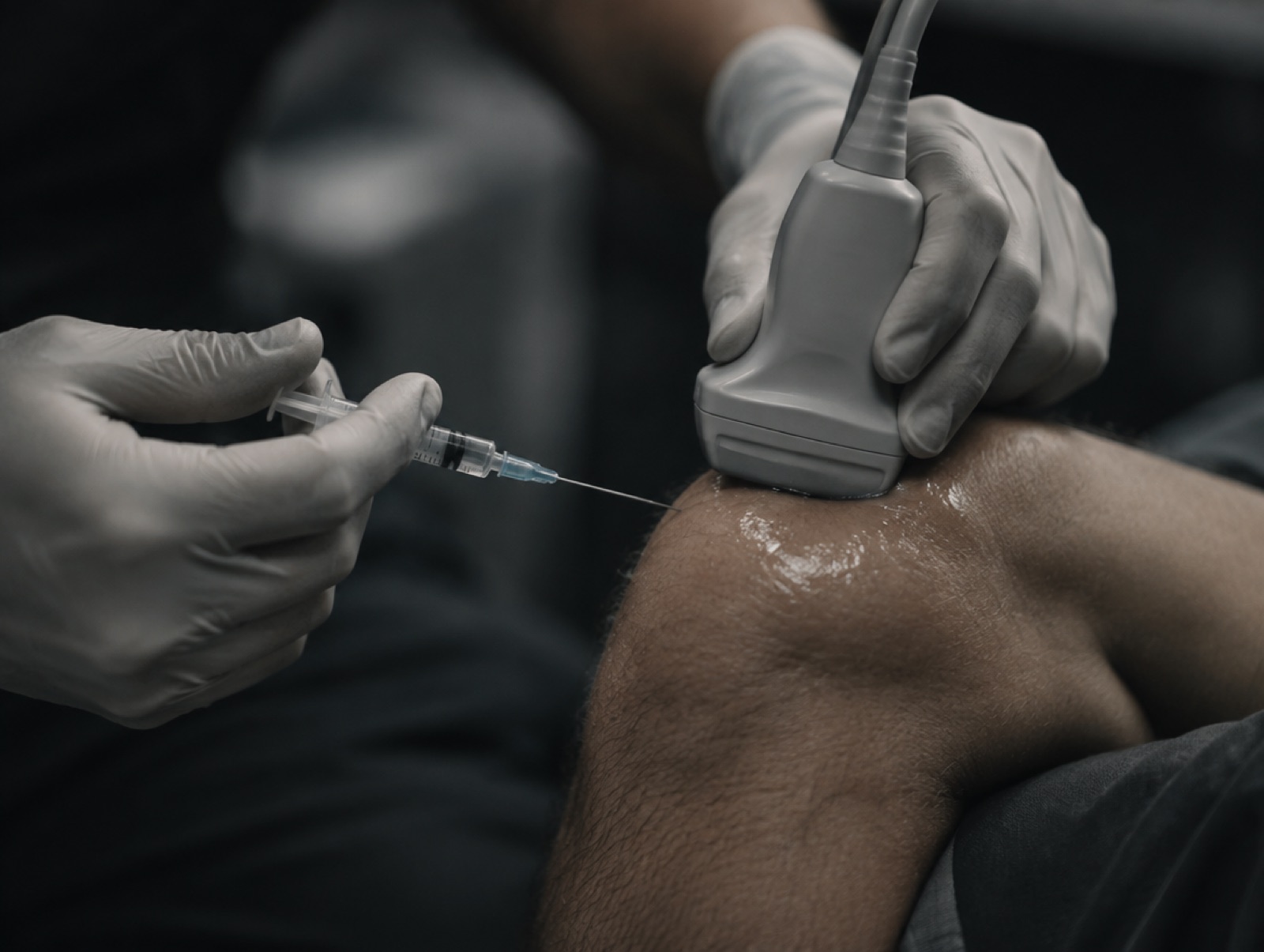 45 minJoint InjectionsA joint injection places medication directly into a painful joint, either a corticosteroid to reduce inflamma…Read more →
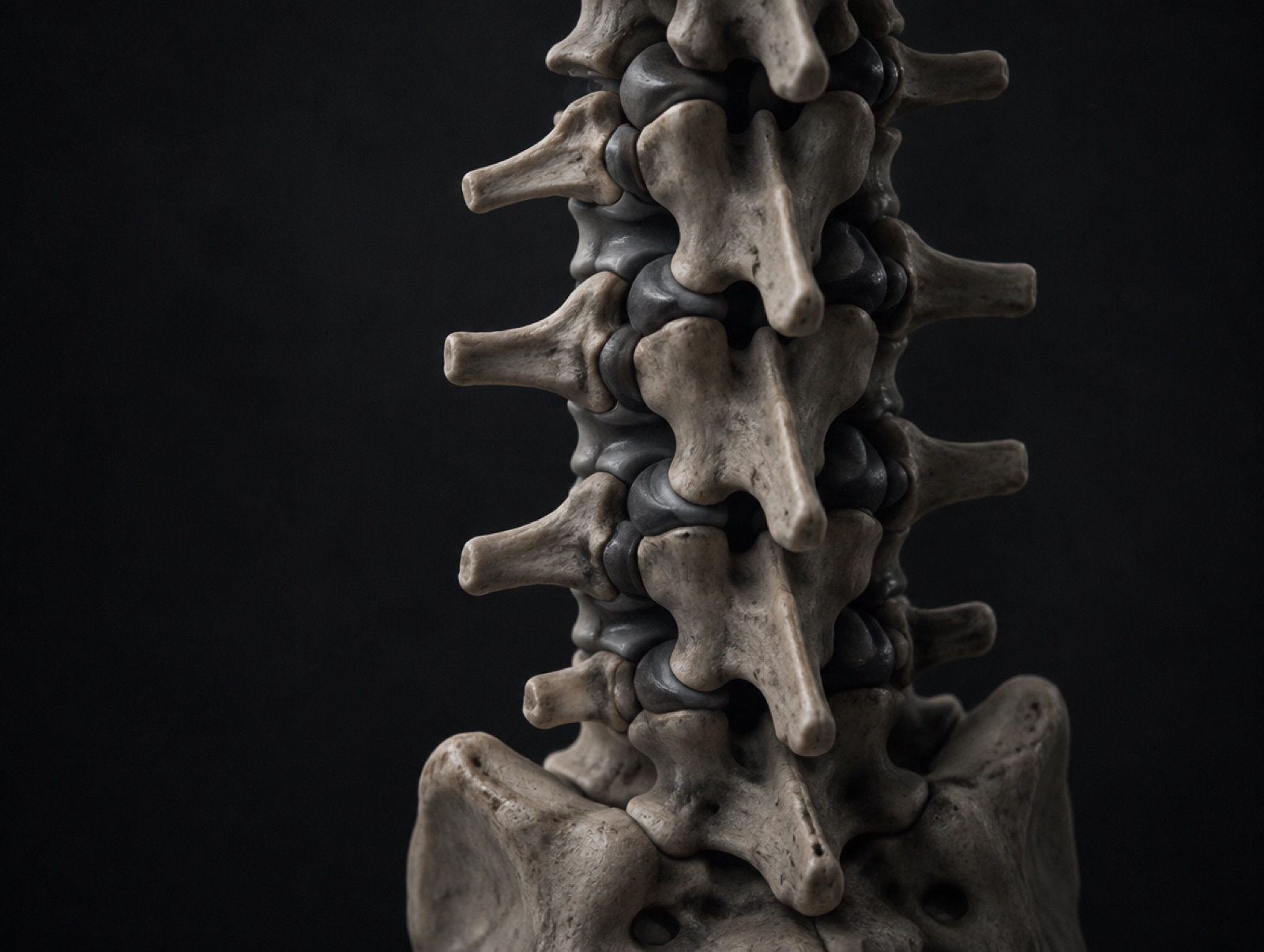 Facet Joint InjectionA facet joint injection treats the small paired joints at the back of the spine that let you bend and twist.Read more →
Ask whether rfa is right for you.
Three New Jersey offices, most insurance accepted, and a real opening on the calendar.