


Condition
Arthritis & Joint Pain
Arthritis is wear and inflammation of the cartilage that cushions a joint, most often the knees, hips, shoulders and the small joints of the spine.
- Seen at
- All three offices
- Typical wait
- Within the same week
- Treated with
- 6 procedures
In short
What arthritis actually is.
Arthritis & Joint Pain
Arthritis is wear and inflammation of the cartilage that cushions a joint, most often the knees, hips, shoulders and the small joints of the spine. As the cartilage thins, bone carries more load, the joint lining becomes inflamed and movement becomes painful and stiff. Treatment aims at the inflammation and at keeping the joint moving, because a joint that stops moving gets worse faster.
Symptoms
How it shows up.
If several of these sound like your week, it is worth having the source looked at properly.
- Stiffness for the first twenty or thirty minutes after getting out of bed
- Pain that builds through the day and is worst by evening
- A deep ache in the joint after standing, walking or climbing stairs
- Grinding, clicking or a catching feeling when the joint moves
- The joint swells after activity and feels warm
- Losing range of motion, such as not being able to fully straighten a knee
- Trouble with specific tasks: stairs, getting off a low couch, reaching overhead
What causes it
- Osteoarthritis from decades of cumulative load on the joint surface
- An old injury such as an ACL tear, meniscus tear or fracture that changed how the joint loads
- Inflammatory arthritis such as rheumatoid or psoriatic disease attacking the joint lining
- Extra body weight, which multiplies the force through the knees and hips with every step
- Work that involves kneeling, squatting, climbing or overhead lifting
- Genetics, which strongly influence how early and how fast cartilage wears
When to act
Stop waiting when this happens.
Do not sit on these
Any one of the following is a reason to be seen rather than to wait it out.
- Pain has lasted more than three months or is limiting what you do in a normal day
- Over the counter anti-inflammatories are no longer controlling it, or you cannot take them
- The joint locks, gives way, or you cannot put weight on it
- The joint is hot, red and swollen with fever, which needs urgent evaluation to rule out infection
- You are being told to consider joint replacement and want to know what else exists first
Diagnosis
Finding the actual source.
A diagnosis is not a guess from an image. It comes from the exam, the history and, where nerves are involved, electrodiagnostic testing.
- A history that establishes the pattern, since morning stiffness lasting over an hour and multiple symmetric joints point to inflammatory arthritis rather than wear
- Examining the joint for effusion, crepitus, warmth and the specific arc of motion that hurts, and checking the joints above and below it
- Weight bearing X-rays, which show joint space narrowing far better than films taken lying down
- MRI or ultrasound when a soft tissue cause such as a meniscus or rotator cuff tear is suspected alongside the arthritis
- Diagnostic medial branch blocks for spinal arthritis, numbing the nerves to specific facet joints to confirm those joints are producing the pain before any ablation
- EMG and nerve conduction studies when numbness, tingling or weakness suggests the pain is partly nerve related rather than purely from the joint
Nerve testing happens here, not elsewhere
EMG and nerve conduction studies are done in the office and read by Dr. Sheikh the same day, rather than sent out and waited on.
Treatment
How arthritis is treated.
Ordered from the most common first step to the options reserved for pain that has not responded.
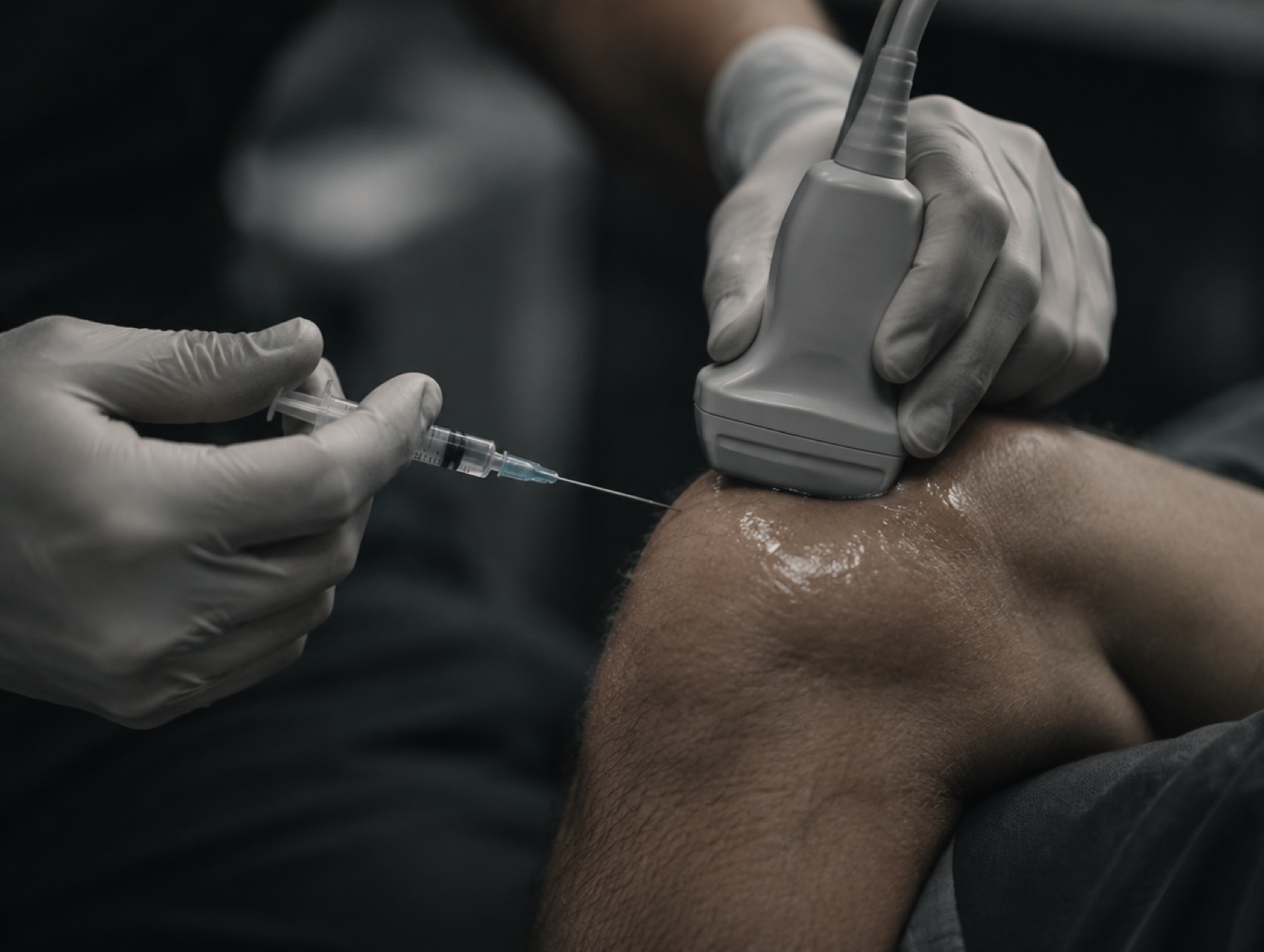 45 minJoint InjectionsA joint injection places medication directly into a painful joint, either a corticosteroid to reduce inflamma…Read more →
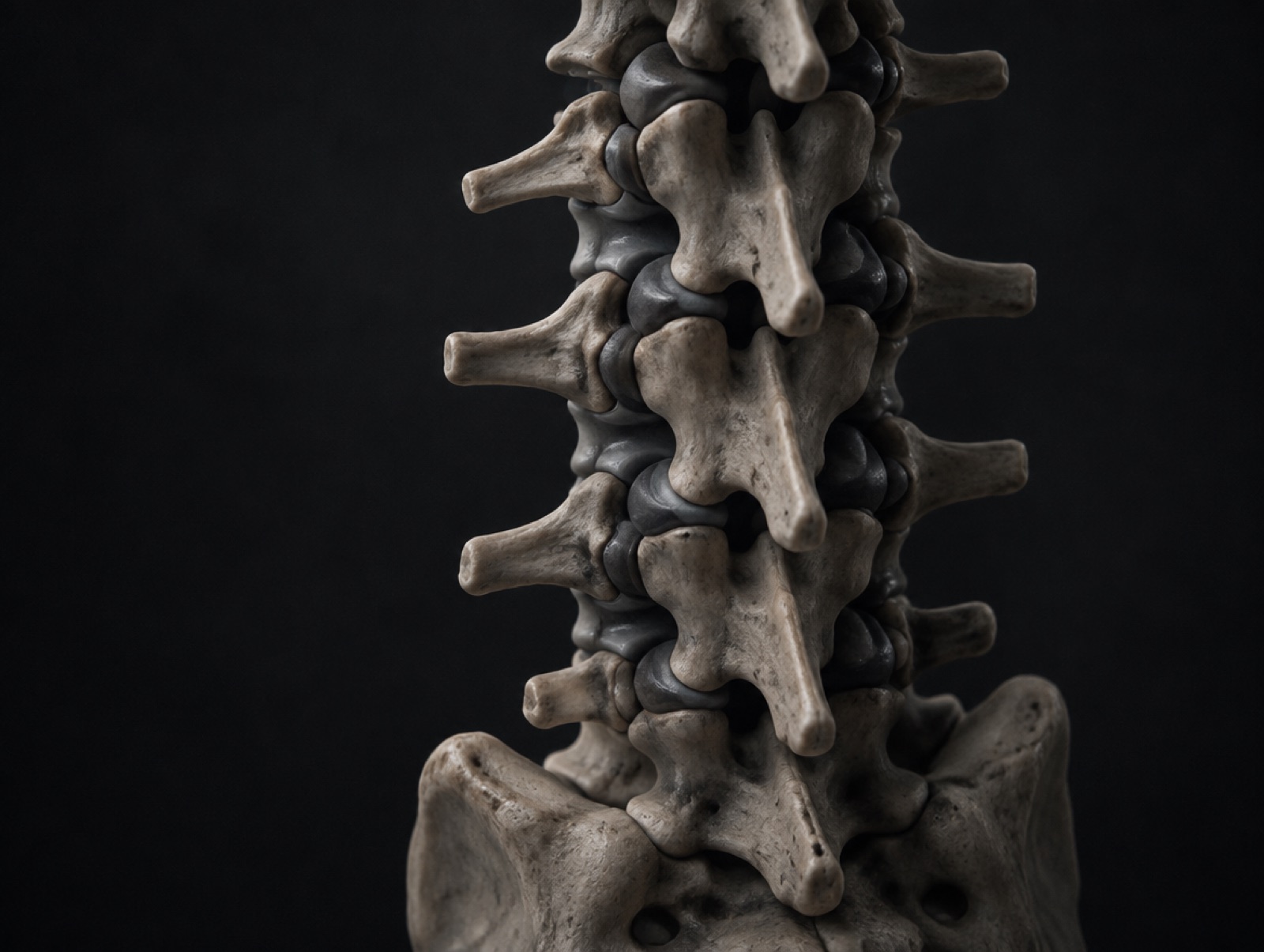 Facet Joint InjectionA facet joint injection treats the small paired joints at the back of the spine that let you bend and twist.Read more →
 30–90 minRadiofrequency AblationRadiofrequency ablation uses heat from a radio wave to interrupt the small nerves that carry pain from an art…Read more →
 45–60 minPRP TherapyPRP therapy concentrates the platelets from a sample of your own blood and injects them into an injured tendo…Read more →
 15–30 minEpidural Steroid InjectionAn epidural steroid injection puts anti-inflammatory medication into the epidural space, the area just outsid…Read more →
 Trigger Point InjectionA trigger point injection treats a knot in a muscle, a tight band that will not release and that often refers…Read more →
Questions
Arthritis & Joint Pain, answered.
Is joint pain just part of getting older?
Wear on cartilage is part of aging. Constant pain that limits what you do is not, and treating it as inevitable is how people lose years of activity. Most arthritic joints respond well to a combination of targeted injections and strengthening, long before replacement is on the table.
How long does a cortisone shot last?
Typically six weeks to four months, though it varies widely with the joint and how advanced the arthritis is. It works by reducing inflammation, not by rebuilding cartilage. The window of relief is most valuable when you use it to get into a strengthening program.
How many cortisone shots can I get in one joint?
Usually no more than three or four in a year for the same joint, since repeated steroid exposure can affect cartilage over time. If you are needing them more often than that, we should be looking at radiofrequency ablation, PRP or a surgical opinion instead of continuing to inject.
Is PRP better than cortisone?
They do different things. Cortisone reduces inflammation quickly and fades. PRP uses concentrated platelets from your own blood to stimulate healing, works more slowly, and in mild to moderate arthritis tends to last longer. PRP is usually not covered by insurance, and it does far less for a severely worn joint.
Do I need a joint replacement?
Replacement is the right answer when the cartilage is gone, the pain is constant, and injections and therapy no longer hold. Plenty of people sent for that conversation still have real non-surgical options, which is worth confirming before you schedule an operation.
Does weather really make arthritis worse?
Many patients report it reliably, and falling barometric pressure appears to allow slight expansion of tissue inside the joint capsule. The effect is modest and it does not mean the arthritis is progressing. It is a flare, not a change in the underlying joint.
Should I rest the joint or keep moving?
Keep moving, within limits. Cartilage has no blood supply and depends on joint motion for nutrition, so immobility actively works against you. Choose low impact work such as cycling, swimming or walking, and back off from the specific movement that spikes the pain rather than stopping altogether.
Get a real diagnosis for arthritis.
Three New Jersey offices, most insurance accepted, and a real opening on the calendar.