Treatment
Trigger Point Injection
A trigger point injection treats a knot in a muscle, a tight band that will not release and that often refers pain somewhere else, such as a knot in the upper trapezius causing a…
- Visit length
- Under an hour
- Setting
- In the office
- Performed by
- Dr. Ednan Sheikh
- Offices
- Clifton, Jersey City, Edison
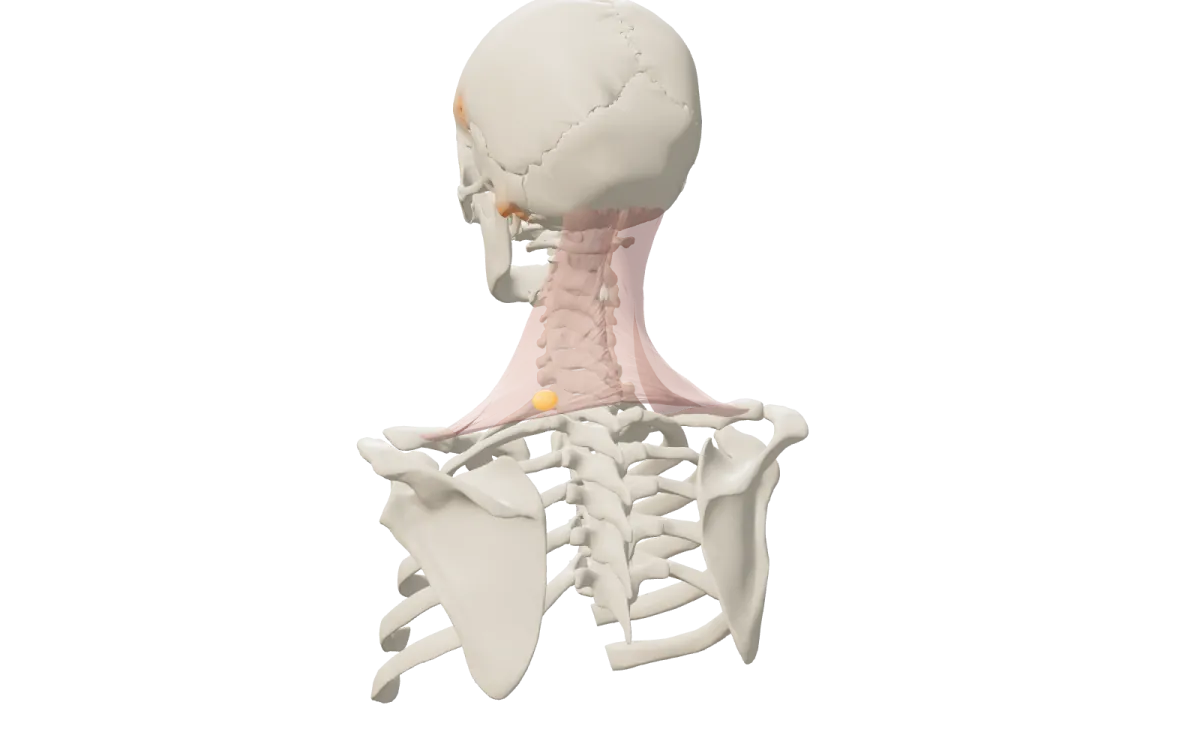
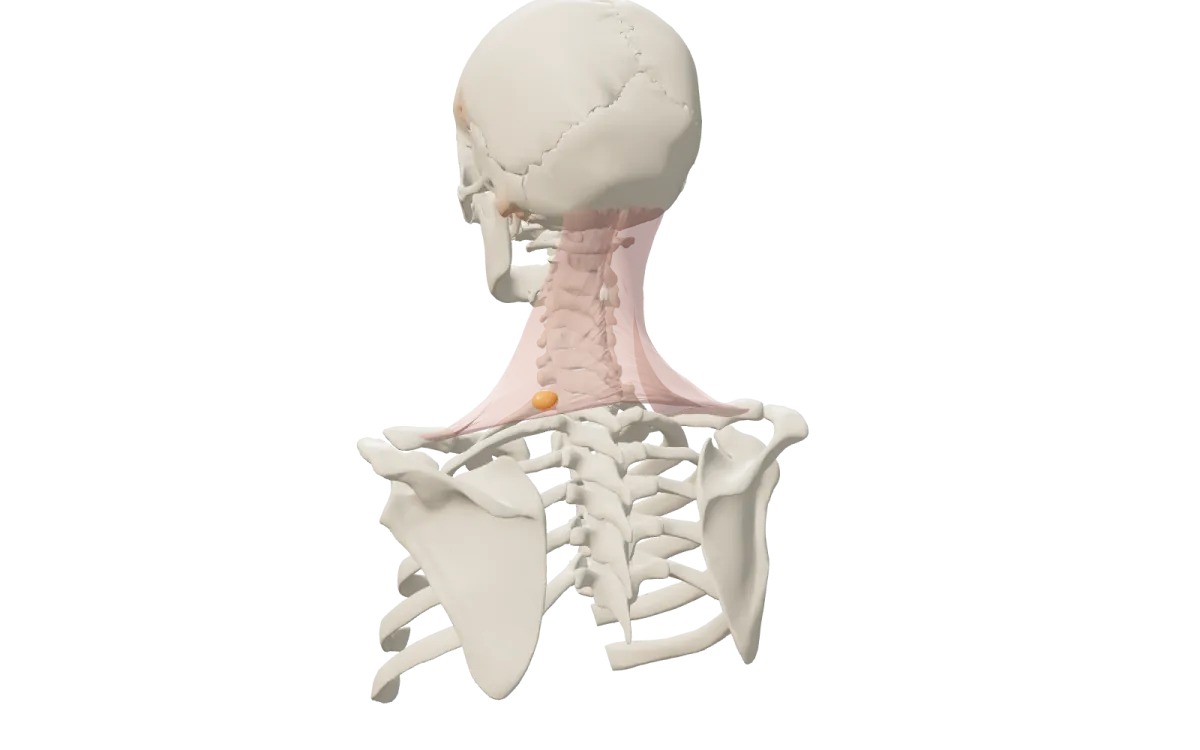 Trigger pointReferred pain

In short
What trigger point does.
Trigger Point Injection
A trigger point injection treats a knot in a muscle, a tight band that will not release and that often refers pain somewhere else, such as a knot in the upper trapezius causing a headache. A small needle is placed into the knot and local anesthetic, sometimes with a steroid, is injected to break the spasm cycle. It is a quick in-office treatment with no sedation, and most people feel the muscle release before they leave.
Five to fifteen minutes for the injections. You are usually in and out within half an hour.
Who it helps
Is this the right procedure for you?
It is worth asking about if any of these describe where you are now.
- Tight painful knots in the neck, shoulders, upper back or low back you can feel under the skin
- Tension headaches that start in the neck and shoulders
- Myofascial pain syndrome
- Muscle pain that lingers after a car accident or a work injury
- Fibromyalgia with specific tender areas that are worse than the rest
- People whose physical therapy keeps stalling because the muscle will not let go
Conditions
What it is used for.
 Low Back PainLow back pain is pain in the area between the bottom of your ribs and the top of your hips.Read more →
 Neck PainNeck pain is pain in the cervical spine, the seven vertebrae between your skull and your shoulders.Read more →
 Headaches & MigrainesMost recurring headaches fall into a few categories: migraine, tension type, cervicogenic headaches that orig…Read more →
 Sports InjuriesSports injuries are damage to muscle, tendon, ligament, cartilage or nerve from either a single traumatic eve…Read more →
The procedure
What actually happens, start to finish.
No surprises on the day. This is the whole thing, in order.
- 01
Finding the trigger points
Dr. Sheikh examines the muscle by hand, feeling for taut bands and tender nodules. Pressing on a true trigger point reproduces your pain and often refers it to another area. Each point found is marked on the skin.
- 02
Talking through the plan
He tells you how many points will be treated, what will be injected and what a local twitch response feels like, so nothing during the injection is a surprise. Usually one to six points are treated in a session.
- 03
Positioning and prep
You sit or lie so the muscle is relaxed and easy to reach. A relaxed muscle is easier to treat and hurts less. The skin over each marked point is cleaned with alcohol or antiseptic.
- 04
The injection
A small gauge needle goes into the taut band. The muscle often gives a brief involuntary twitch, which is a good sign that the needle found the right spot. A small amount of local anesthetic, sometimes with a steroid, is injected.
- 05
Working the knot
The needle may be redirected within the band a few times to release the full knot. This causes a deep ache that lasts a few seconds. Each point takes under a minute.
- 06
Stretching and aftercare
Once the injections are done, the muscle is stretched gently and you are shown the stretch to do at home. Injecting without stretching afterward wastes half the benefit.
- 07
Before you leave
You sit for a few minutes while a bandage is applied and you are checked for lightheadedness. Most people walk out and drive themselves home.
After
Recovery, and the risks worth knowing.
Recovery
- Expect the treated muscle to be sore for one to three days, like the ache after a hard workout.
- Use heat, not ice, after the first day. Heat helps muscle relax, ice does not.
- Do the stretches you were shown, two or three times a day, starting the same evening.
- Drink water and keep moving gently. Sitting still for a day tends to make the soreness worse.
- Avoid heavy lifting and intense exercise for 48 hours, then return to normal activity.
- Relief often starts within hours. If it fades after a week or two, the underlying cause such as posture, an old injury or a nerve problem needs attention.
Risks
Every procedure carries risk. These are the ones worth knowing about, and Dr. Sheikh goes through them with you before you consent to anything.
- Soreness at the injection sites for one to three days, which is the most common effect
- Bruising, especially if you take blood thinners or aspirin
- Lightheadedness or brief faintness during the injection, which is why you stay seated afterward
- Infection at the needle site, uncommon and treatable
- Thinning or dimpling of the skin and fat at the site if steroid is used repeatedly in the same spot
- Collapsed lung, a rare but real risk when injecting muscles over the rib cage, which is why technique and needle angle matter
Questions
Trigger Point, answered.
Does a trigger point injection hurt?
There is a brief sting from the needle and a deep ache when the muscle twitches. Each point takes less than a minute. Most people describe it as uncomfortable rather than painful, and the relief afterward outweighs it.
How fast does it work?
Often within minutes to hours. The local anesthetic acts immediately and the muscle spasm cycle breaks. If a steroid is added, the anti-inflammatory effect builds over the following several days.
How long does the relief last?
Anywhere from a few weeks to several months. The length depends on whether the cause of the knot is addressed. Injections plus stretching, posture work and therapy last far longer than injections alone.
How is this different from dry needling?
The needle technique is similar. Dry needling uses no medication. A trigger point injection adds local anesthetic, which reduces the soreness afterward and tends to give faster relief.
How many injections can I have?
Trigger point injections with anesthetic alone can be repeated as needed. If a steroid is included, we space sessions out and limit how often the same muscle is treated, to protect the tissue.
Can I drive myself home?
Yes. There is no sedation and no numbing of an arm or leg, so nearly everyone drives home and goes back to their day.
Related
Other procedures.
 15–45 minNerve BlockA nerve block is an injection of local anesthetic, often with a steroid, placed next to a specific nerve or c…Read more →
 45–60 minPRP TherapyPRP therapy concentrates the platelets from a sample of your own blood and injects them into an injured tendo…Read more →
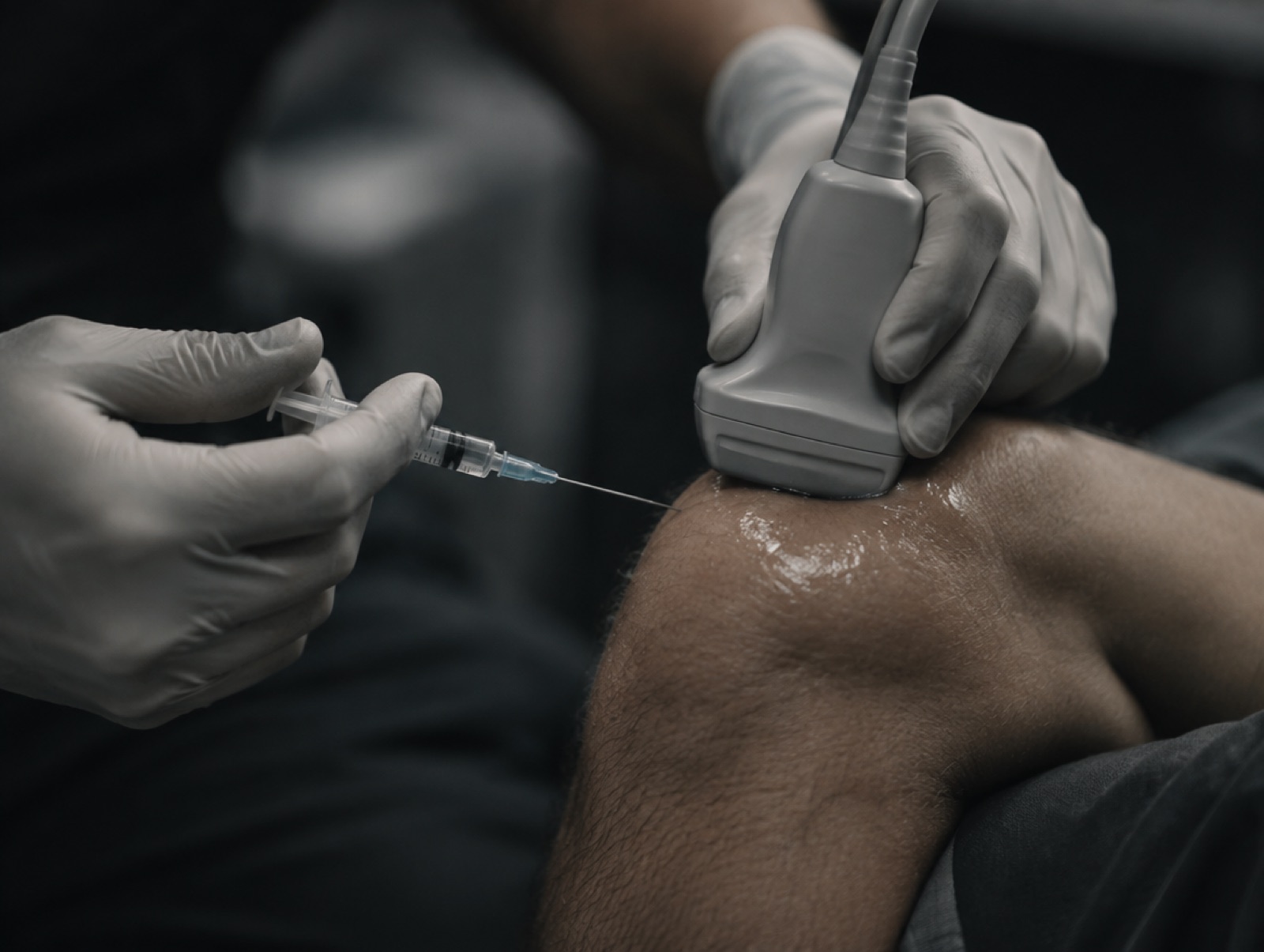 45 minJoint InjectionsA joint injection places medication directly into a painful joint, either a corticosteroid to reduce inflamma…Read more →
 15–20 minChemical NeurolysisChemical neurolysis uses a chemical agent, such as Botox, phenol or alcohol, to stop a nerve from transmittin…Read more →
Ask whether trigger point is right for you.
Three New Jersey offices, most insurance accepted, and a real opening on the calendar.