Treatment
Chemical Neurolysis
Chemical neurolysis uses a chemical agent, such as Botox, phenol or alcohol, to stop a nerve from transmitting pain or from driving a muscle into spasm.
- Visit length
- 15–20 min
- Setting
- In the office
- Performed by
- Dr. Ednan Sheikh
- Offices
- Clifton, Jersey City, Edison
 Target nerve

In short
What chemical neurolysis does.
Chemical Neurolysis
Chemical neurolysis uses a chemical agent, such as Botox, phenol or alcohol, to stop a nerve from transmitting pain or from driving a muscle into spasm. Botox relaxes overactive muscles and is used for chronic migraine and spasticity, while phenol and alcohol destroy nerve tissue for much longer relief and are reserved for severe pain such as cancer pain and trigeminal neuralgia. Because the stronger agents cause lasting change, a diagnostic block with anesthetic is done first to prove the target and preview the result.
Botox injections take 15 to 20 minutes. Deep neurolytic blocks under CT or fluoroscopy take 30 to 60 minutes with additional monitoring afterward.
Who it helps
Is this the right procedure for you?
It is worth asking about if any of these describe where you are now.
- Severe pain from cancer, particularly abdominal pain from pancreatic and other upper abdominal tumors
- Trigeminal neuralgia and other intractable facial nerve pain
- Chronic migraine, meaning headache on fifteen or more days a month
- Muscle spasticity after stroke, spinal cord injury or multiple sclerosis
- Severe chronic muscle spasm that has not responded to therapy or oral medication
- Complex regional pain syndrome and other nerve pain that has not responded to standard blocks
Conditions
What it is used for.
 Low Back PainLow back pain is pain in the area between the bottom of your ribs and the top of your hips.Read more →
 Neck PainNeck pain is pain in the cervical spine, the seven vertebrae between your skull and your shoulders.Read more →
 Peripheral NeuropathyPeripheral neuropathy is damage to the nerves outside the brain and spinal cord, most often the long nerves t…Read more →
 Headaches & MigrainesMost recurring headaches fall into a few categories: migraine, tension type, cervicogenic headaches that orig…Read more →
The procedure
What actually happens, start to finish.
No surprises on the day. This is the whole thing, in order.
- 01
Selecting the agent
Dr. Sheikh matches the agent to the problem. Botox for muscle driven pain and migraine, where the effect is temporary and repeatable. Phenol or alcohol for severe pain where months of relief outweigh the permanence of destroying a nerve.
- 02
Diagnostic block first
Before any neurolytic agent, the target nerve is numbed with local anesthetic alone. This confirms the nerve is the source and lets you feel the numbness and other effects that will follow. If the block does not relieve your pain, neurolysis is not done.
- 03
Consent and preparation
The conversation is detailed, because destroying a nerve is not reversible. You go over expected numbness, possible weakness and duration. Blood thinners are held for deeper blocks and an IV is placed for sedation where needed.
- 04
Positioning and imaging
You are positioned for the target, face down for a celiac plexus block, seated for many Botox injections. Fluoroscopy, CT or ultrasound guidance is set up. Deep neurolytic blocks are usually done under CT because precision matters more here than in any other injection.
- 05
Numbing and needle placement
Local anesthetic numbs the skin and the path. The needle is advanced to the target under imaging. For Botox, multiple small superficial injections are placed across defined muscle sites and no deep needle is used.
- 06
Test injection
For phenol and alcohol blocks, contrast dye confirms exactly where the agent will spread and that it is not in a blood vessel. Local anesthetic is often injected first, since alcohol burns intensely on contact with nerve tissue.
- 07
Delivering the agent
The neurolytic agent is injected slowly with continuous imaging. Alcohol causes a strong burning sensation for a minute or two even after anesthetic. Botox injections feel like small pinches and take a few minutes in total.
- 08
Recovery and monitoring
Botox patients go home after a short observation. After a deep neurolytic block you are monitored for 30 to 60 minutes, and blood pressure is watched closely, since blocking sympathetic nerves can lower it.
After
Recovery, and the risks worth knowing.
Recovery
- After Botox, avoid rubbing the treated areas and stay upright for four hours so the medication stays where it was placed.
- Botox takes seven to fourteen days to take effect and lasts about three months, so treatments are repeated quarterly.
- After a neurolytic block, expect numbness in the area supplied by the nerve. This is the intended result, not a complication.
- Low blood pressure and lightheadedness can follow a sympathetic neurolytic block. Stand up slowly and drink fluids for the first few days.
- Some people have temporary increased burning pain in the first one to two weeks after alcohol or phenol before relief settles in.
- Follow-up is scheduled at two weeks for Botox and at one to two weeks after a neurolytic block to assess relief and adjust medications.
Risks
Every procedure carries risk. These are the ones worth knowing about, and Dr. Sheikh goes through them with you before you consent to anything.
- Permanent numbness in the area the treated nerve supplied, which is expected with phenol and alcohol
- Muscle weakness if the agent reaches a motor nerve, which can be temporary or lasting
- Deafferentation pain, a new burning pain that can develop weeks to months after a nerve is destroyed and can be harder to treat than the original pain
- Low blood pressure and diarrhea after sympathetic neurolytic blocks such as the celiac plexus
- Spread of Botox beyond the target muscle, causing temporary weakness such as a drooping eyelid or trouble swallowing
- Bleeding, infection or injury to nearby structures, which is why deep blocks are performed under CT or fluoroscopic guidance
Questions
Chemical Neurolysis, answered.
Is chemical neurolysis permanent?
It depends on the agent. Botox wears off in about three months and is repeated. Phenol and alcohol destroy nerve tissue and give three to twelve months or longer of relief, and in some cases the change is permanent.
Does chemical neurolysis hurt?
Botox injections feel like small pinches. Alcohol causes an intense burning sensation for a minute or two, which is why local anesthetic is injected first and sedation is offered for deep blocks.
How is Botox for pain different from cosmetic Botox?
Same medication, different doses and different targets. For chronic migraine, roughly thirty injections are placed across the head, neck and shoulders on a defined schedule every twelve weeks, aimed at the muscles and nerves that drive headache.
Is Botox for migraine covered by insurance?
It is covered by most plans, including Medicare, for chronic migraine, which means headache on fifteen or more days per month. Insurers usually require that two or more preventive medications were tried first. We handle the authorization.
Why do I need a test block before the real one?
Destroying a nerve cannot be undone. The test block with plain anesthetic shows whether your pain actually comes from that nerve and lets you experience the numbness in advance. If the test does not help, the permanent version will not either.
Will I lose feeling or strength?
You will lose sensation in the area the nerve supplied, and that is the intended effect. Weakness is avoided by choosing sensory nerves and by testing with stimulation and imaging beforehand, but it remains a real risk with neurolytic agents.
Who is chemical neurolysis actually for?
Botox is for chronic migraine, spasticity and severe muscle spasm. Phenol and alcohol are reserved for severe pain, most often cancer pain or intractable nerve pain, where other treatments have been exhausted and long relief is worth the permanence.
Related
Other procedures.
 15–45 minNerve BlockA nerve block is an injection of local anesthetic, often with a steroid, placed next to a specific nerve or c…Read more →
 Trigger Point InjectionA trigger point injection treats a knot in a muscle, a tight band that will not release and that often refers…Read more →
 20–45 minSympathetic Nerve BlocksA sympathetic nerve block targets the sympathetic nervous system, the automatic network that controls blood f…Read more →
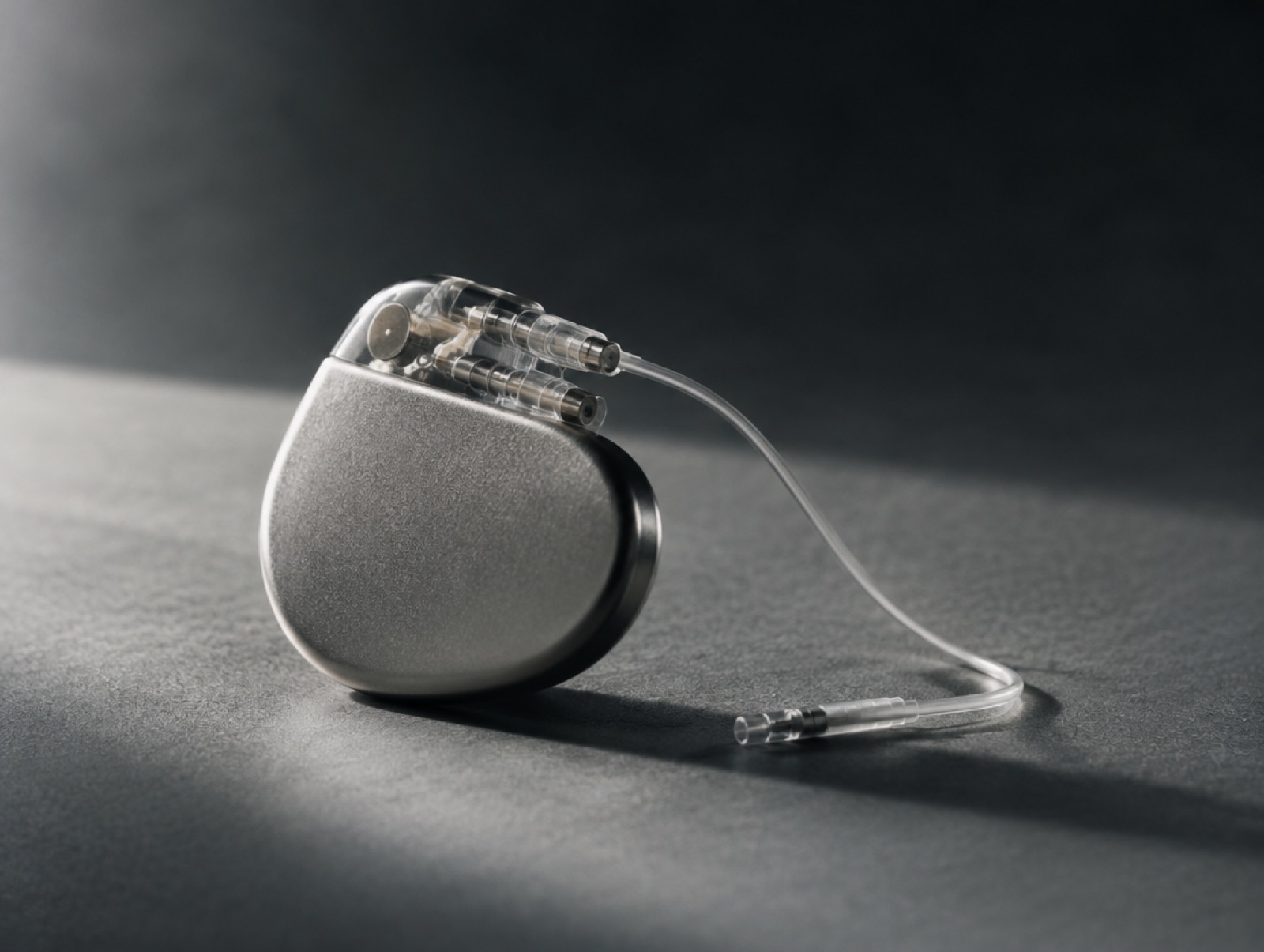 Under an hourIntrathecal Pain PumpsAn intrathecal pump is a small device implanted under the skin of the abdomen that delivers pain medication t…Read more →
Ask whether chemical neurolysis is right for you.
Three New Jersey offices, most insurance accepted, and a real opening on the calendar.