
Treatment
Sympathetic Nerve Blocks
A sympathetic nerve block targets the sympathetic nervous system, the automatic network that controls blood flow, sweating and digestion, which can become locked into maintaining…
- Visit length
- 20–45 min
- Setting
- In the office
- Performed by
- Dr. Ednan Sheikh
- Offices
- Clifton, Jersey City, Edison
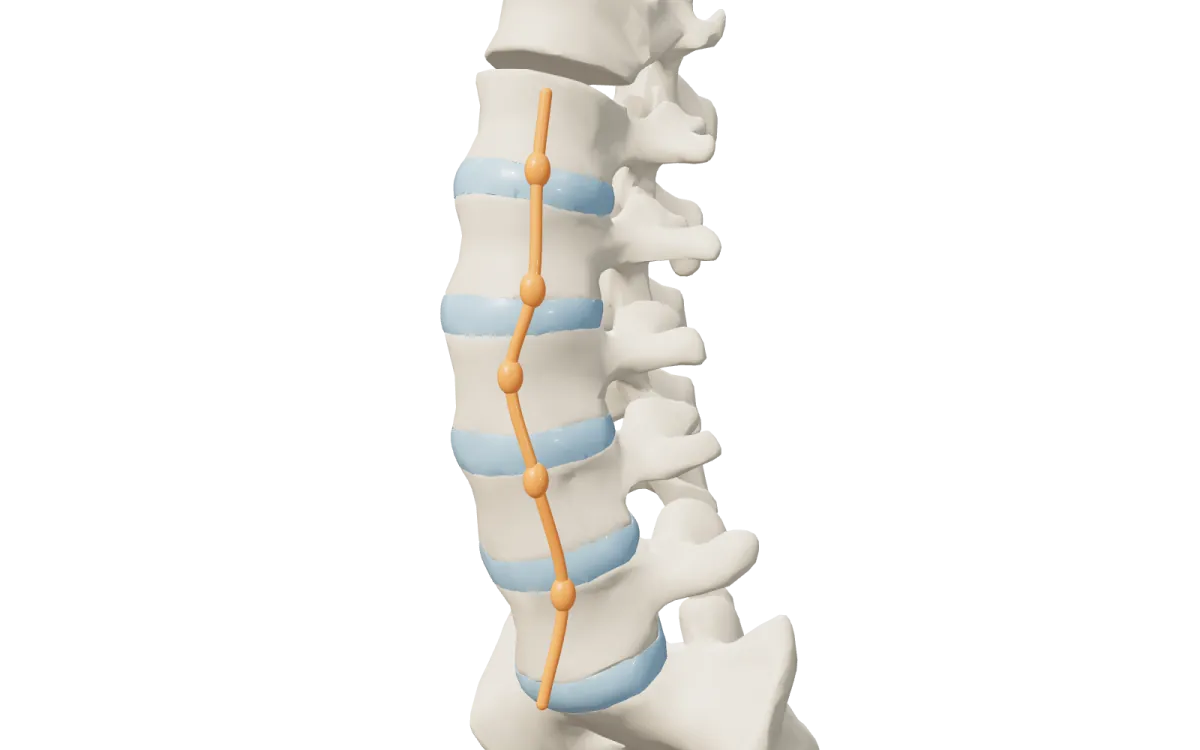 Sympathetic chain
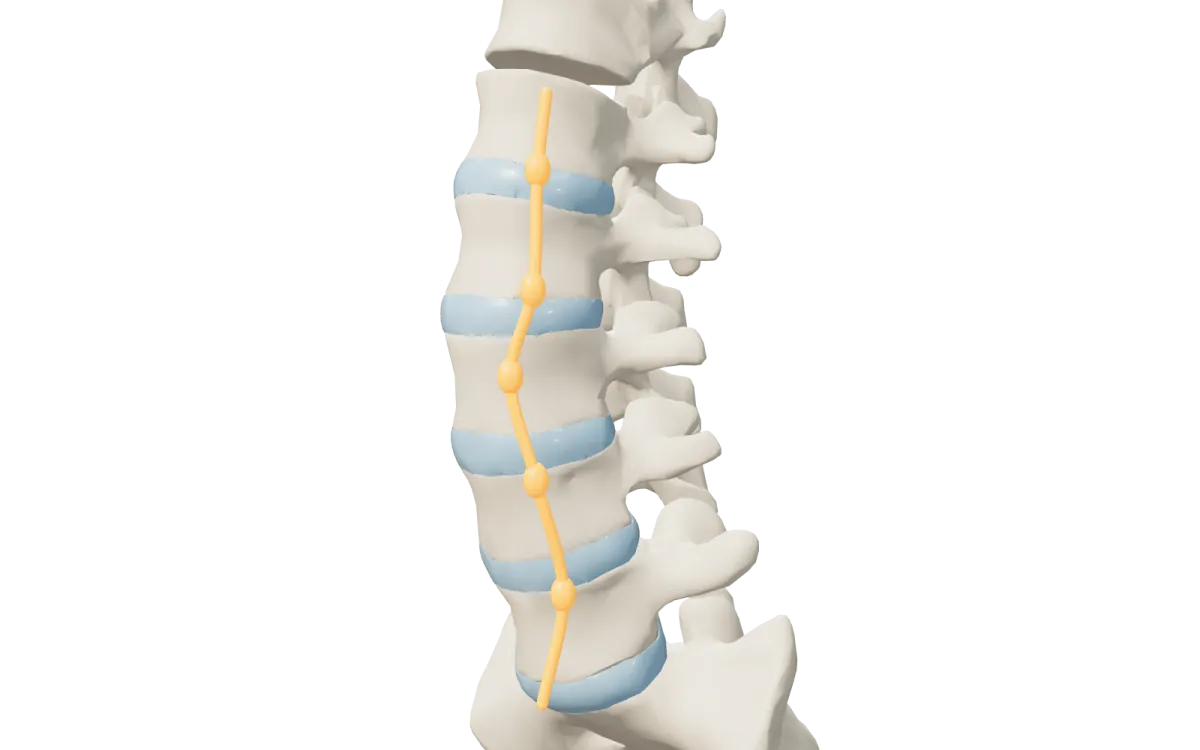
In short
What sympathetic blocks does.
Sympathetic Nerve Blocks
A sympathetic nerve block targets the sympathetic nervous system, the automatic network that controls blood flow, sweating and digestion, which can become locked into maintaining pain long after an injury has healed. Anesthetic is injected next to a specific cluster of these nerves, such as the stellate ganglion in the neck or the lumbar sympathetic chain in the low back, under X-ray or CT guidance. These blocks are used for complex regional pain syndrome, phantom limb pain, chronic abdominal and pelvic pain, and circulation problems in the hands and feet.
The block takes 20 to 45 minutes. With monitoring, plan on two hours at the office or facility.
Who it helps
Is this the right procedure for you?
It is worth asking about if any of these describe where you are now.
- Complex regional pain syndrome, with burning pain, swelling, skin color change and temperature change in a limb
- Phantom limb pain after amputation
- Severe abdominal pain from pancreatic cancer or chronic pancreatitis
- Chronic pelvic pain, including pain from endometriosis and pelvic cancers
- Rectal, perineal and tailbone pain
- Poor circulation and cold painful hands or feet from Raynaud's or peripheral vascular disease, and excessive sweating
Conditions
What it is used for.
 Low Back PainLow back pain is pain in the area between the bottom of your ribs and the top of your hips.Read more →
 Neck PainNeck pain is pain in the cervical spine, the seven vertebrae between your skull and your shoulders.Read more →
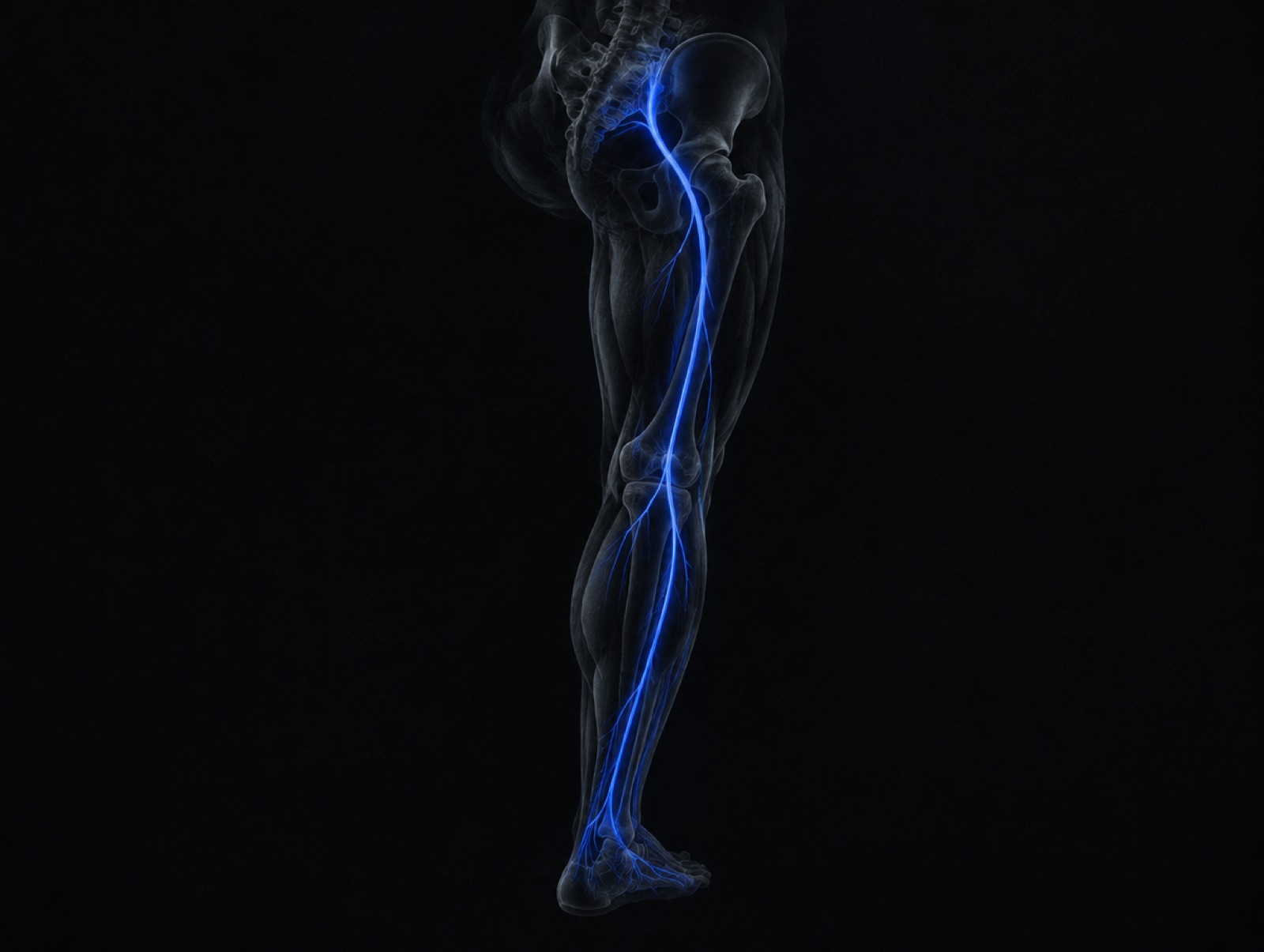 SciaticaSciatica is pain that travels from the low back or buttock down the back of the leg, following the sciatic ne…Read more →
 Peripheral NeuropathyPeripheral neuropathy is damage to the nerves outside the brain and spinal cord, most often the long nerves t…Read more →
 Headaches & MigrainesMost recurring headaches fall into a few categories: migraine, tension type, cervicogenic headaches that orig…Read more →
The procedure
What actually happens, start to finish.
No surprises on the day. This is the whole thing, in order.
- 01
Choosing the target
The site is chosen by where the pain is. Stellate ganglion in the neck for the head, face and arm. Lumbar sympathetic for the leg. Celiac plexus for the upper abdomen. Hypogastric plexus for the pelvis. Ganglion impar for the tailbone and perineum.
- 02
Preparation
Blood thinners are held as instructed and you fast for several hours before deep blocks. You arrive with a driver. An IV goes in, vital signs are monitored throughout, and for limb blocks a skin temperature probe is placed on both sides.
- 03
Positioning
For a stellate ganglion block you lie on your back with your neck slightly extended. For lumbar sympathetic and celiac plexus blocks you lie face down. The skin is cleaned with antiseptic and draped.
- 04
Numbing the path
Local anesthetic is injected into the skin and the tissue along the needle path. For neck blocks, the larger structures nearby mean the numbing is done carefully and you are asked to avoid swallowing or talking while the needle is in place.
- 05
Guiding the needle
Fluoroscopy, CT or ultrasound guides the needle to the sympathetic ganglion. These nerve bundles sit close to major blood vessels and organs, so position is confirmed in multiple views before injection.
- 06
Contrast and injection
Contrast dye confirms spread along the sympathetic chain and rules out placement in a blood vessel. Local anesthetic, sometimes with steroid, is injected slowly while you are asked how you feel.
- 07
Confirming the block worked
Success has objective signs. After a limb block the skin temperature on the treated side rises by at least one to two degrees and the limb feels warm. After a stellate ganglion block you develop a droopy eyelid, a smaller pupil and a stuffy nose on that side. These effects are temporary and expected.
- 08
Recovery and follow-up
You are monitored for 30 to 60 minutes with blood pressure checks, since sympathetic blocks can lower blood pressure. You leave with a pain diary. Blocks are often given in a series of three to six, several weeks apart, particularly for complex regional pain syndrome.
After
Recovery, and the risks worth knowing.
Recovery
- Arrange a driver. Sedation and the block itself both make driving unsafe that day.
- After a stellate ganglion block, expect a droopy eyelid, a red eye, a hoarse voice and a stuffy nose on that side for four to eight hours. Do not eat or drink for at least two hours because swallowing can be affected.
- After a leg or arm block, the limb feels warm and may feel heavy. Protect it from heat and from falls until sensation is normal.
- Blood pressure can drop. Get up slowly, drink fluids and have someone nearby for the first few hours.
- Record your pain scores over the next several days. With complex regional pain syndrome, each block in a series is expected to give longer relief than the last.
- Begin or continue physical therapy while the block is working. For complex regional pain syndrome, using the limb during that window is the treatment, the block only creates the opening.
Risks
Every procedure carries risk. These are the ones worth knowing about, and Dr. Sheikh goes through them with you before you consent to anything.
- Bruising, soreness and bleeding at the injection site
- Low blood pressure and lightheadedness for several hours after the block
- Hoarseness, difficulty swallowing and temporary droopy eyelid after a stellate ganglion block
- Collapsed lung after neck or upper chest blocks, uncommon but a reason to seek care for new shortness of breath
- Injection into a blood vessel causing seizure or a temporary drop in heart rate and blood pressure, which is why contrast and aspiration checks are done first
- Diarrhea after a celiac plexus block, and injury to nearby organs or nerves, which is rare with image guidance
Questions
Sympathetic Blocks, answered.
What does the sympathetic nervous system have to do with my pain?
It normally controls blood flow, sweating and digestion without you thinking about it. After some injuries it stays switched on and keeps producing pain, swelling and color and temperature changes even after the tissue has healed. Blocking it interrupts that loop.
Does a sympathetic block hurt?
You feel the numbing injection and then pressure as the needle goes deeper. Celiac plexus blocks can cause a brief strong ache in the abdomen or back. Sedation is available for the deeper blocks.
How will I know the block worked?
There are objective signs. A treated arm or leg becomes measurably warmer within minutes. After a stellate ganglion block your eyelid droops and your pupil shrinks on that side. Those changes confirm the right nerves were reached, separate from how your pain responds.
How many sympathetic blocks will I need?
Complex regional pain syndrome is usually treated with a series of three to six blocks spaced one to three weeks apart, with relief building each time. A single diagnostic block may be enough to answer a question or to guide a longer lasting treatment.
How long does the relief last?
The first block may give hours to days. Later blocks in a series often give weeks to months. If relief is clear but short, a neurolytic block with alcohol or phenol may be considered, particularly for cancer pain.
Is the droopy eyelid permanent?
No. It is a temporary effect of the anesthetic on the nerves that supply the eye and it resolves within four to eight hours. It is actually the sign we look for to confirm the block was placed correctly.
Related
Other procedures.
 15–45 minNerve BlockA nerve block is an injection of local anesthetic, often with a steroid, placed next to a specific nerve or c…Read more →
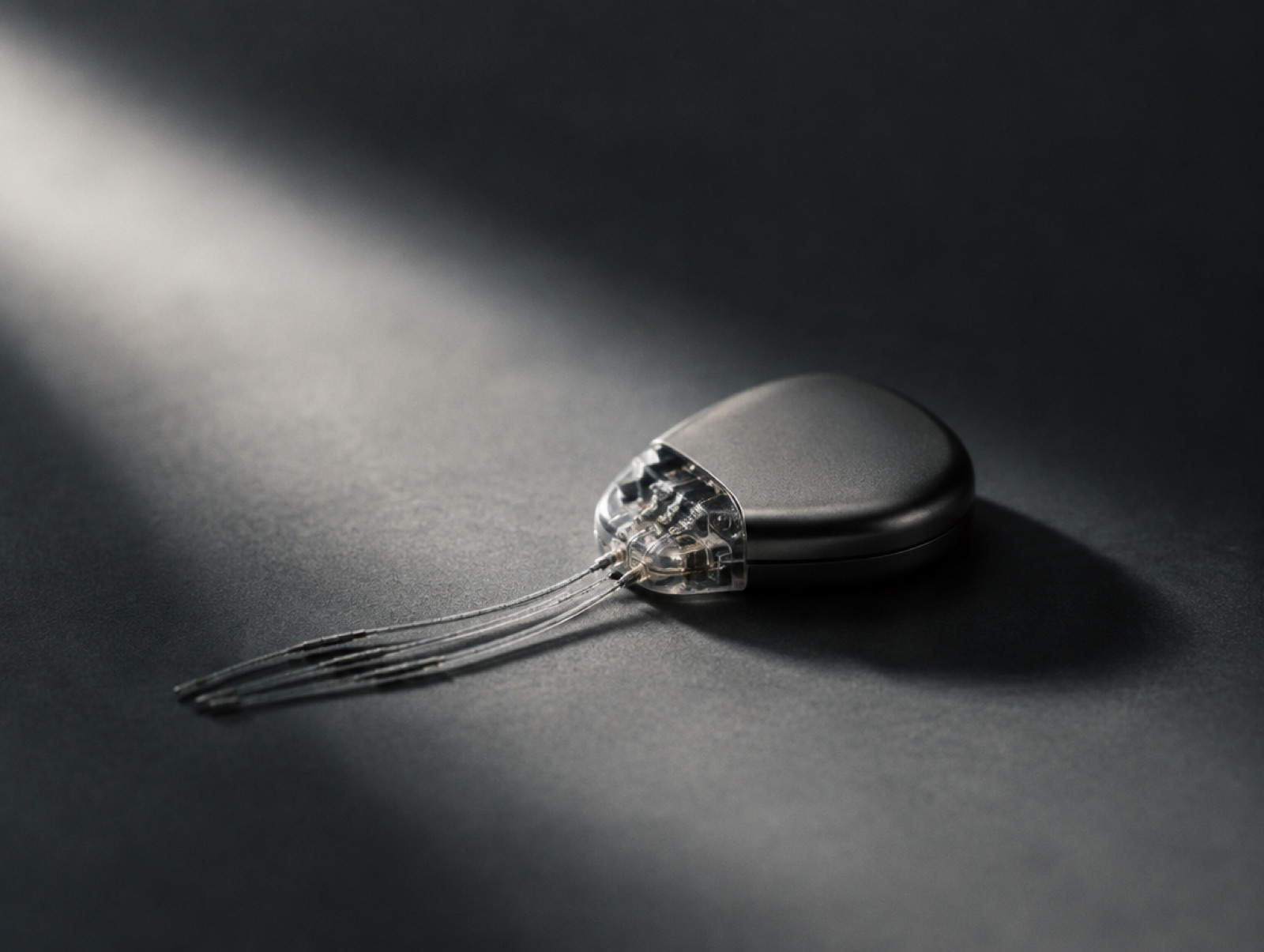 30–45 minSpinal Cord StimulationSpinal cord stimulation uses mild electrical pulses delivered through thin wires placed near the spinal cord…Read more →
 15–20 minChemical NeurolysisChemical neurolysis uses a chemical agent, such as Botox, phenol or alcohol, to stop a nerve from transmittin…Read more →
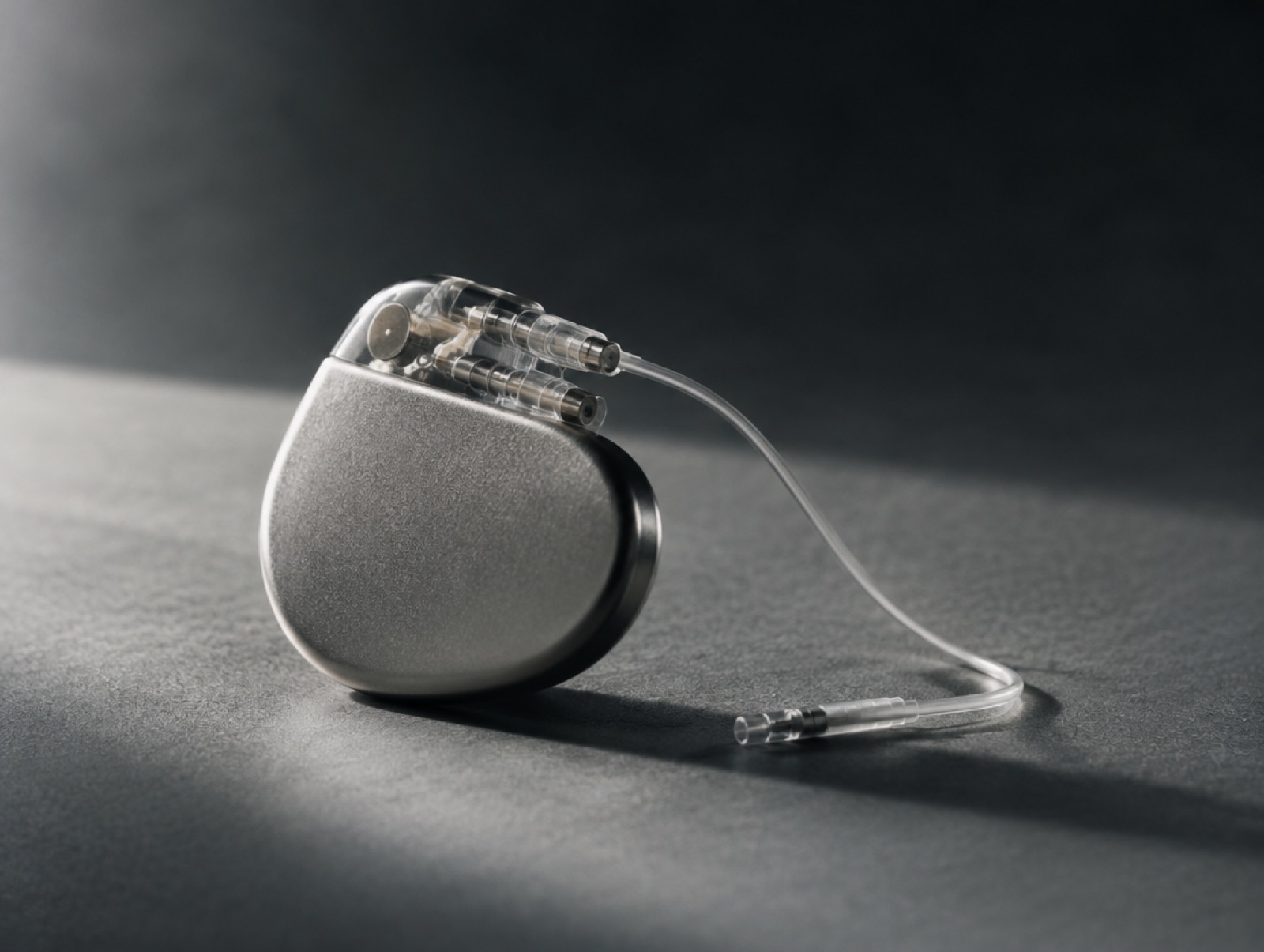 Under an hourIntrathecal Pain PumpsAn intrathecal pump is a small device implanted under the skin of the abdomen that delivers pain medication t…Read more →
Ask whether sympathetic blocks is right for you.
Three New Jersey offices, most insurance accepted, and a real opening on the calendar.