


Condition
Peripheral Neuropathy
Peripheral neuropathy is damage to the nerves outside the brain and spinal cord, most often the long nerves that reach the feet and hands.
- Seen at
- All three offices
- Typical wait
- Within the same week
- Treated with
- 5 procedures
In short
What neuropathy actually is.
Peripheral Neuropathy
Peripheral neuropathy is damage to the nerves outside the brain and spinal cord, most often the long nerves that reach the feet and hands. Because those nerves are longest, symptoms usually start in the toes and move upward over time. The two questions that matter are what is damaging the nerves and how far it has progressed, and nerve conduction testing answers both.
Symptoms
How it shows up.
If several of these sound like your week, it is worth having the source looked at properly.
- Burning or a hot prickling feeling in both feet, worse at night in bed
- Numbness that started in the toes and has crept up toward the ankles
- A constant feeling of walking on sand, gravel or a wrinkled sock
- Electric or stabbing jolts that come out of nowhere
- Bed sheets touching your feet feel painful
- Balance is worse in the dark or with your eyes closed
- Weak grip, dropping things, or trouble feeling the pedals when you drive
What causes it
- Diabetes and prediabetes, which are by far the most common causes
- Chemotherapy and certain other medications that are toxic to nerves
- Heavy or long term alcohol use
- Vitamin B12 deficiency, thyroid disease, kidney disease or autoimmune conditions
- Nerve compression at a specific point, such as the wrist, elbow or ankle
- Idiopathic neuropathy, where no cause is found despite a thorough workup
When to act
Stop waiting when this happens.
Do not sit on these
Any one of the following is a reason to be seen rather than to wait it out.
- Numbness or burning has been present for more than a few weeks and is not explained
- The numbness is climbing from the toes toward the ankles and calves
- You have started catching your foot, stumbling, or feeling unsteady on stairs
- You are diabetic and have lost protective sensation, since that is how foot ulcers begin
- Symptoms are on one side only or came on quickly, which points to something other than typical neuropathy and needs prompt testing
Diagnosis
Finding the actual source.
A diagnosis is not a guess from an image. It comes from the exam, the history and, where nerves are involved, electrodiagnostic testing.
- A history covering diabetes, alcohol, chemotherapy, medications, family history and how the symptoms spread, because the pattern of spread narrows the cause considerably
- A sensory exam using monofilament, vibration and pinprick testing to map exactly how far up the deficit reaches
- Nerve conduction studies that measure how fast and how strongly signals travel, which shows whether the problem is the insulation around the nerve or the nerve fiber itself
- EMG to check the muscles those nerves supply, which tells us whether motor nerves are involved and how long the damage has been present
- Testing that separates a generalized neuropathy from a single trapped nerve such as carpal or tarsal tunnel, and from a pinched nerve root in the spine, since all three feel similar to the patient
- Blood work for A1C, B12, thyroid and inflammatory markers when the cause has not been established
Nerve testing happens here, not elsewhere
EMG and nerve conduction studies are done in the office and read by Dr. Sheikh the same day, rather than sent out and waited on.
Treatment
How neuropathy is treated.
Ordered from the most common first step to the options reserved for pain that has not responded.
 15–45 minNerve BlockA nerve block is an injection of local anesthetic, often with a steroid, placed next to a specific nerve or c…Read more →
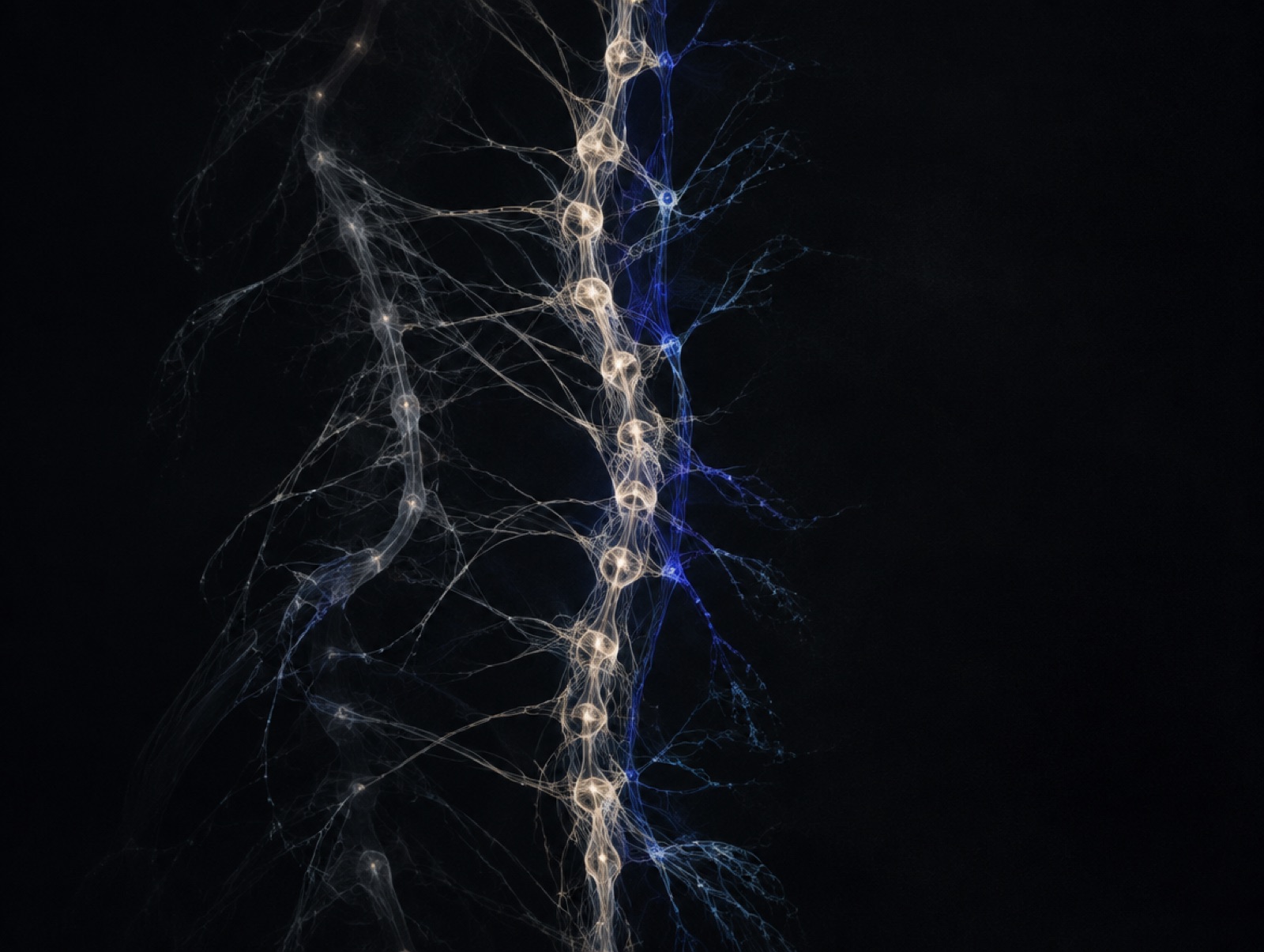 20–45 minSympathetic Nerve BlocksA sympathetic nerve block targets the sympathetic nervous system, the automatic network that controls blood f…Read more →
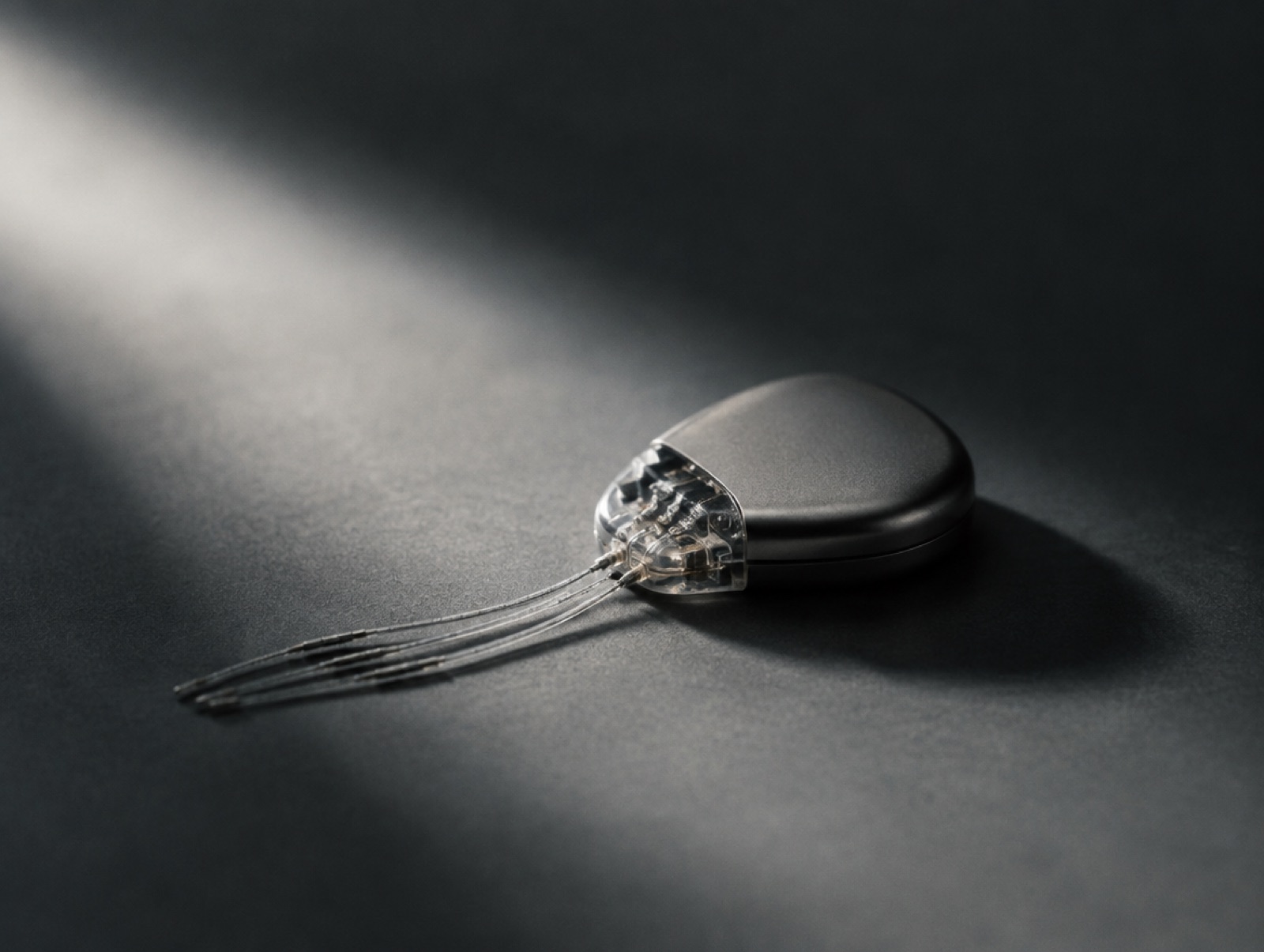 30–45 minSpinal Cord StimulationSpinal cord stimulation uses mild electrical pulses delivered through thin wires placed near the spinal cord…Read more →
 15–20 minChemical NeurolysisChemical neurolysis uses a chemical agent, such as Botox, phenol or alcohol, to stop a nerve from transmittin…Read more →
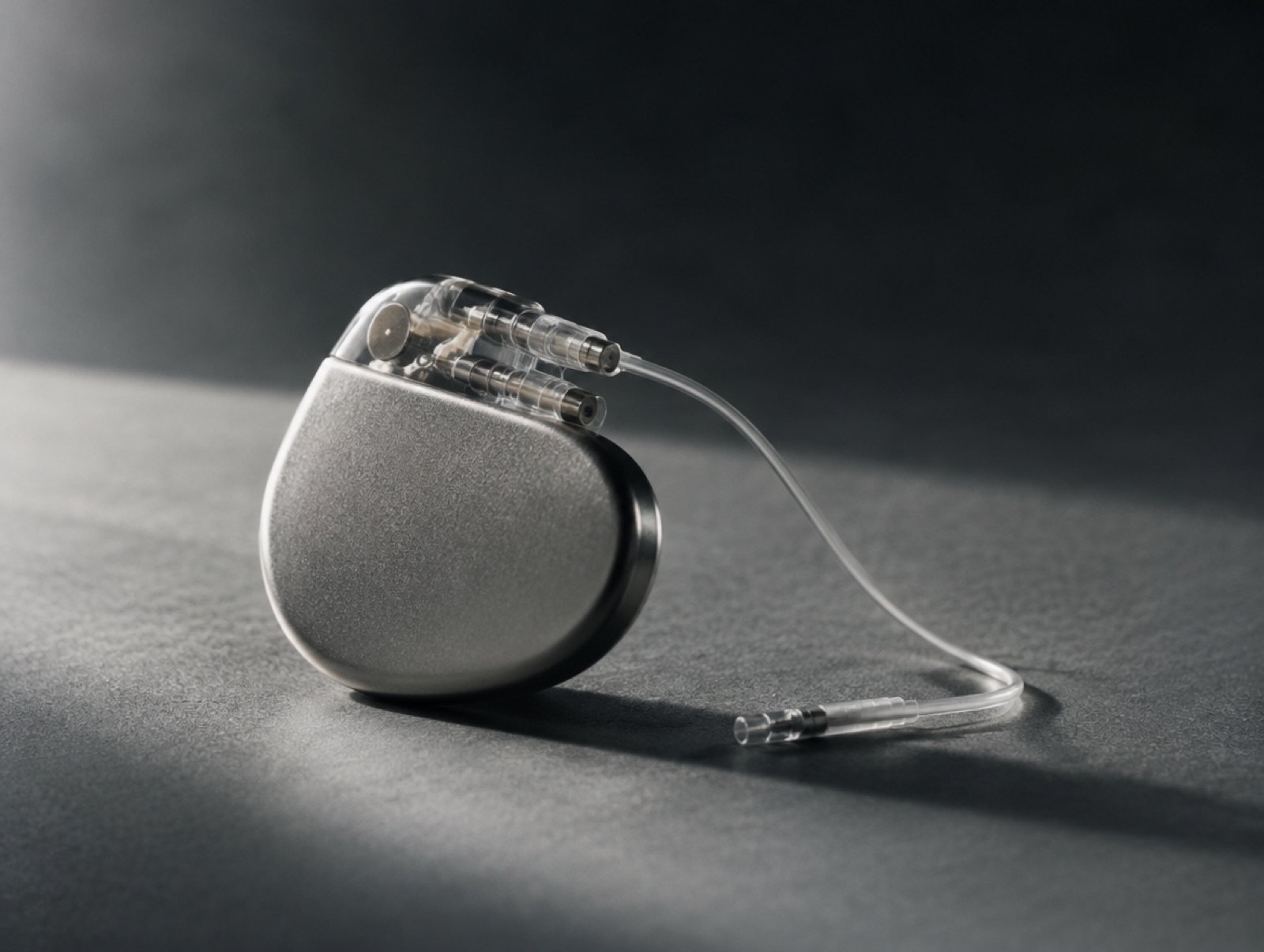 Under an hourIntrathecal Pain PumpsAn intrathecal pump is a small device implanted under the skin of the abdomen that delivers pain medication t…Read more →
Questions
Peripheral Neuropathy, answered.
Can neuropathy be reversed?
It depends on the cause and how far it has gone. Neuropathy from B12 deficiency, thyroid disease or a compressed nerve often improves substantially once the cause is corrected. Long standing diabetic neuropathy usually cannot be reversed, but its progression can be slowed and the pain can be treated effectively.
Why is my neuropathy worse at night?
Two reasons. During the day, activity and other sensations compete for attention and mask the nerve signals. At night there is nothing else coming in, and skin temperature changes under the covers make damaged small fibers fire more. It is a real physiological pattern, not imagination.
What does an EMG test feel like?
The nerve conduction part uses small surface electrodes and brief electrical pulses that feel like a tap or a quick tingle. The EMG part uses a very thin needle in a few muscles, which feels like a brief pinch or cramp. The whole test runs thirty to sixty minutes and you go straight back to normal activity.
Is neuropathy always from diabetes?
No. Diabetes is the most common cause in this area, but B12 deficiency, thyroid disease, alcohol, chemotherapy, autoimmune conditions and trapped nerves all produce the same symptoms. A significant share turn out idiopathic, meaning no cause is identified even after a complete workup.
Do I need an EMG if I already had an MRI?
They answer different questions. An MRI shows anatomy, meaning what structures look like. An EMG and nerve conduction study show function, meaning whether a nerve is actually working. Plenty of people have an abnormal MRI and healthy nerves, or a normal MRI and clear nerve damage.
What happens if neuropathy is left untreated?
The numbness tends to spread upward and the loss of protective sensation becomes the bigger risk than the pain. People stop feeling blisters, cuts and pressure sores, which in diabetics is how serious foot infections start. Balance also worsens, and falls become a real concern.
Can pain from neuropathy be treated without medication?
Yes. Sympathetic nerve blocks can interrupt the pain signaling for some patterns, and spinal cord stimulation has strong evidence in painful diabetic neuropathy for people who have not responded to medication. Which option fits depends on what the nerve testing shows.
Get a real diagnosis for neuropathy.
Three New Jersey offices, most insurance accepted, and a real opening on the calendar.