
Treatment
Spinal Cord Stimulation
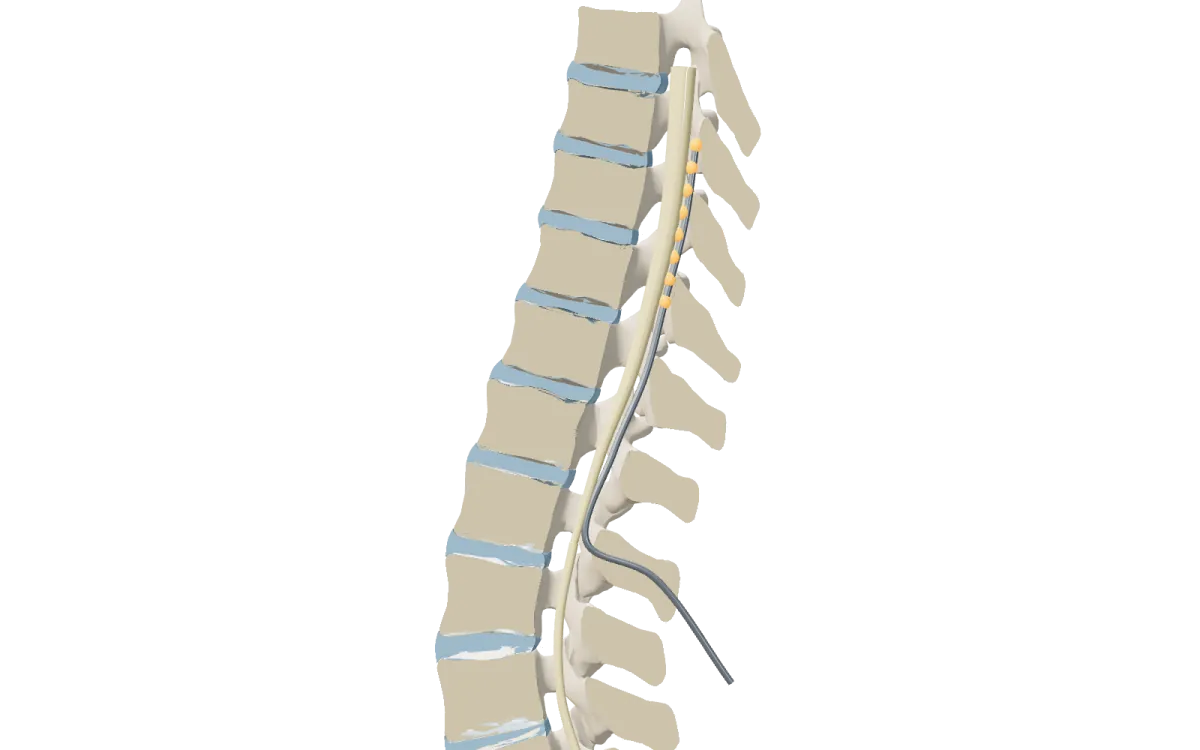
Spinal cord stimulation uses mild electrical pulses delivered through thin wires placed near the spinal cord to interrupt pain signals before they reach the brain.
- Visit length
- 30–45 min
- Setting
- In the office
- Performed by
- Dr. Ednan Sheikh
- Offices
- Clifton, Jersey City, Edison
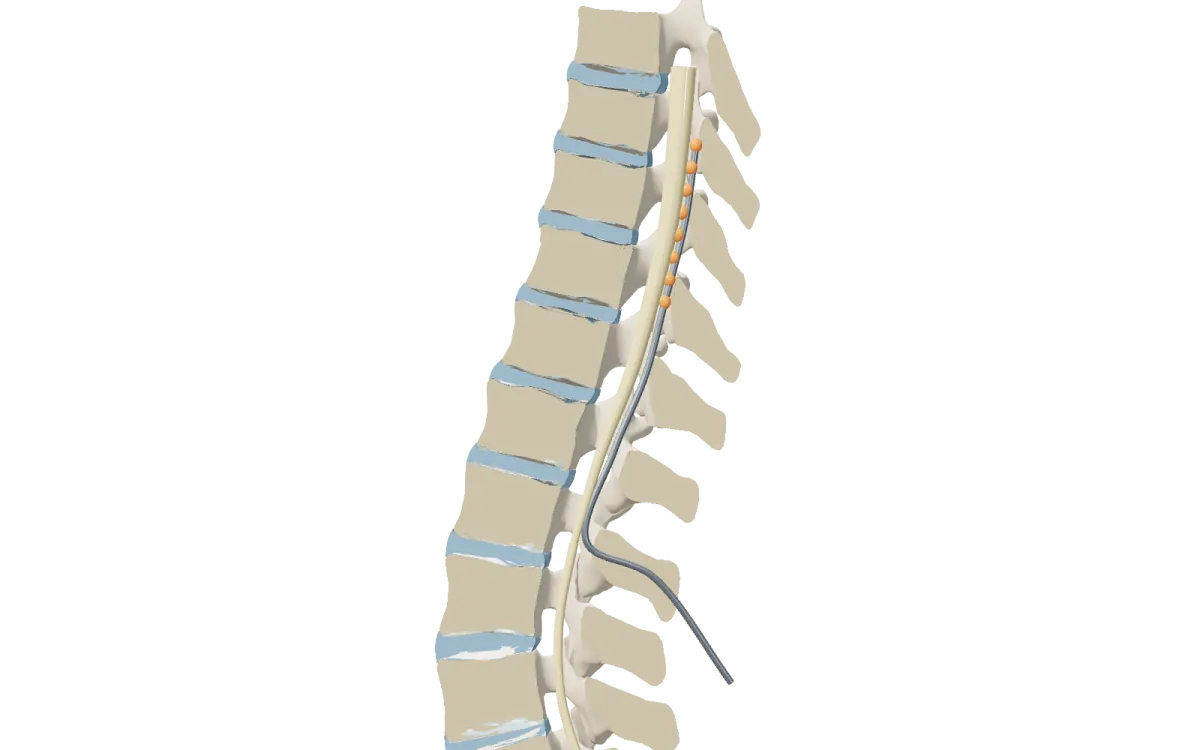 Stimulator leadSpinal cord

In short
What spinal cord stimulator does.
Spinal Cord Stimulation
Spinal cord stimulation uses mild electrical pulses delivered through thin wires placed near the spinal cord to interrupt pain signals before they reach the brain. A small generator, similar in size to a pacemaker, sits under the skin and you control the therapy yourself. It is for people with chronic nerve pain who have not responded to medication, therapy and injections, and you always test it with a five to seven day trial before anything permanent is implanted.
Trial placement takes 30 to 45 minutes. The permanent implant takes one to two hours and is still same day surgery.
Who it helps
Is this the right procedure for you?
It is worth asking about if any of these describe where you are now.
- Ongoing back and leg pain after one or more spine surgeries
- Complex regional pain syndrome in an arm or leg
- Burning, stabbing foot and leg pain from peripheral neuropathy, including diabetic neuropathy
- Nerve pain that has lasted more than a year despite medication, therapy and injections
- People who want to reduce or stop long term opioid use
- People who are not candidates for further spine surgery, or who do not want it
Conditions
What it is used for.
 Low Back PainLow back pain is pain in the area between the bottom of your ribs and the top of your hips.Read more →
 Neck PainNeck pain is pain in the cervical spine, the seven vertebrae between your skull and your shoulders.Read more →
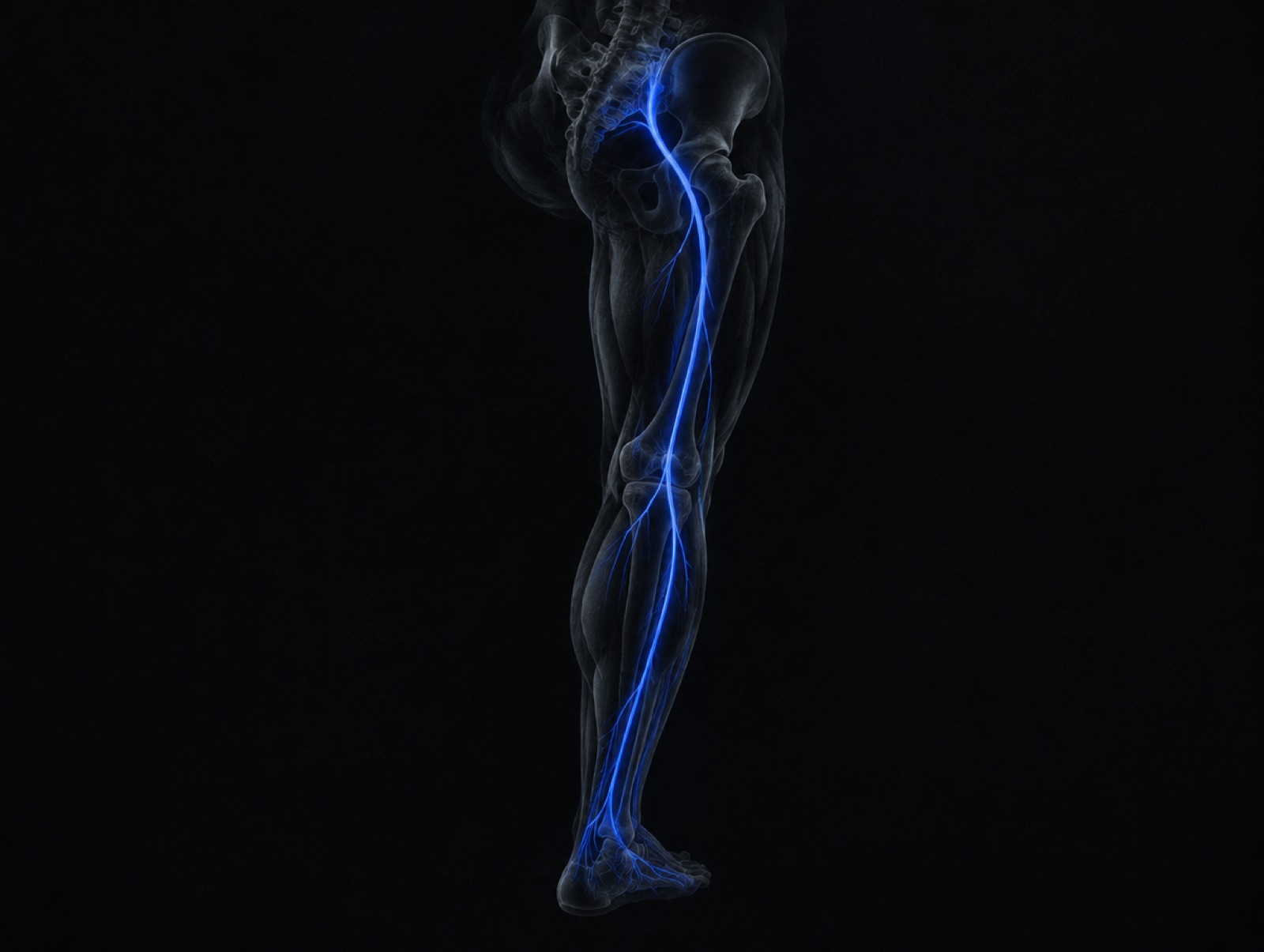 SciaticaSciatica is pain that travels from the low back or buttock down the back of the leg, following the sciatic ne…Read more →
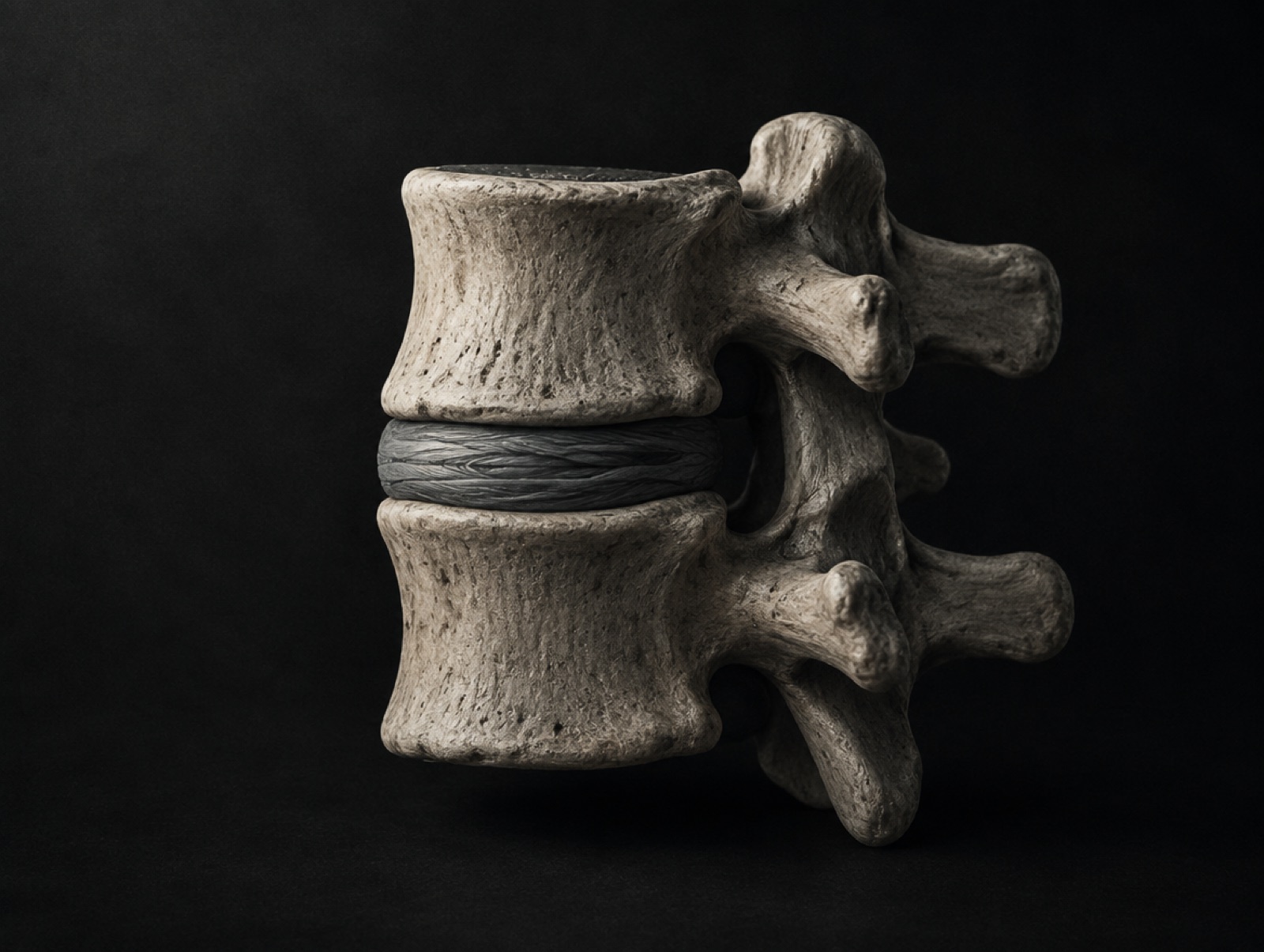 Herniated DiscA herniated disc happens when the soft center of a spinal disc pushes through a tear in its tough outer ring.Read more →
 Peripheral NeuropathyPeripheral neuropathy is damage to the nerves outside the brain and spinal cord, most often the long nerves t…Read more →
The procedure
What actually happens, start to finish.
No surprises on the day. This is the whole thing, in order.
- 01
Evaluation and candidacy
Dr. Sheikh reviews your history, imaging, prior treatments and current medications. Most insurers, and good practice, also require a psychological evaluation. This is not about doubting your pain. It screens for untreated depression, anxiety or sleep problems that make any implant work less well if they are left unaddressed.
- 02
The trial
In a 30 to 45 minute outpatient procedure, thin leads are placed into the epidural space through a needle under live X-ray. There is no incision. The leads exit through the skin and connect to an external battery you wear on a belt.
- 03
Living with the trial
You go home and use the stimulator for five to seven days during your normal routine, not resting in bed. You keep a pain diary and note what you can do that you could not before. You cannot shower during the trial and cannot lift or bend excessively, since the leads can shift.
- 04
Judging the trial
The leads are pulled out in the office, which takes seconds and requires no anesthetic. Fifty percent or better pain reduction, along with a real improvement in function and sleep, means the trial passed. If it did not, nothing is implanted and nothing is left behind.
- 05
Implant surgery
If the trial succeeded, the permanent system is implanted in an outpatient surgery lasting one to two hours, usually under sedation with local anesthetic. Permanent leads are anchored near the spine and tunneled under the skin to a generator placed in a pocket in the upper buttock or flank.
- 06
Programming
Within one to two weeks you meet with the device representative and our team to program the system. Several settings are loaded onto your remote so you can adjust coverage for different activities. Programming is refined over the first few visits.
- 07
Ongoing management
You see us at two weeks for the wound check, then at regular intervals to adjust programs. Rechargeable generators last seven to ten years or more, non rechargeable ones typically three to five. The device can be turned off or removed at any time.
After
Recovery, and the risks worth knowing.
Recovery
- During the trial, no showering, no driving while the stimulator is on, and no heavy bending or lifting that could move the leads.
- After the implant, expect soreness at the generator pocket and the lead incision for one to two weeks. The pocket site is usually the sorest part.
- No lifting over ten pounds, no reaching overhead and no twisting for six weeks while the leads scar into place.
- Keep the incisions dry for the first week. Showering is usually allowed once the surgeon clears it, and no soaking in a tub or pool for four weeks.
- Most people return to desk work in one to two weeks and to full activity at six weeks.
- Carry your device identification card. It matters at airport security and before any future MRI.
Risks
Every procedure carries risk. These are the ones worth knowing about, and Dr. Sheikh goes through them with you before you consent to anything.
- Lead migration, meaning the wire shifts and coverage changes, which is the most common problem and is usually fixed by reprogramming or a short revision
- Infection at the generator pocket or lead site, which can require removing the system
- Bleeding or, rarely, an epidural hematoma that causes nerve compression and needs urgent treatment
- Spinal fluid leak and headache from needle placement
- Pain or discomfort over the generator pocket, more common in thin patients
- Loss of effect over time, or a trial that does not reach 50 percent relief and therefore does not lead to an implant
Questions
Spinal Cord Stimulator, answered.
Do I have to have surgery to find out if it works?
No. That is the point of the trial. The leads go in through a needle with no incision, you live with the system for five to seven days, and if it does not help enough the leads are simply removed. Nothing permanent happens until you know.
How much pain relief should I expect?
The benchmark is at least 50 percent reduction. Many people do better. Just as important is what you can do again, such as sleeping through the night, walking further or cutting back on medication.
Will I feel the stimulation?
It depends on the program. Traditional settings produce a mild tingling in the painful area. Newer high frequency and burst programs usually produce no sensation at all. You control the intensity with a handheld remote.
Can the device be removed?
Yes. Spinal cord stimulation is reversible. The leads and generator can be taken out if the therapy stops helping, if you need an MRI the system is not compatible with, or if you simply change your mind.
Can I get an MRI with a stimulator?
Most current systems are MRI conditional, which means scans are allowed under specific settings. Your device card lists what applies to your system, and we tell the radiology department before any scan.
Is spinal cord stimulation covered by insurance?
Yes, by most plans including Medicare, when documentation shows that conservative treatments have failed and the trial was successful. Our office handles the prior authorization for both the trial and the implant.
How long does the battery last?
A rechargeable generator commonly lasts seven to ten years or more, with recharging sessions at home. A non rechargeable one usually lasts three to five years and is replaced in a short outpatient procedure.
Related
Other procedures.
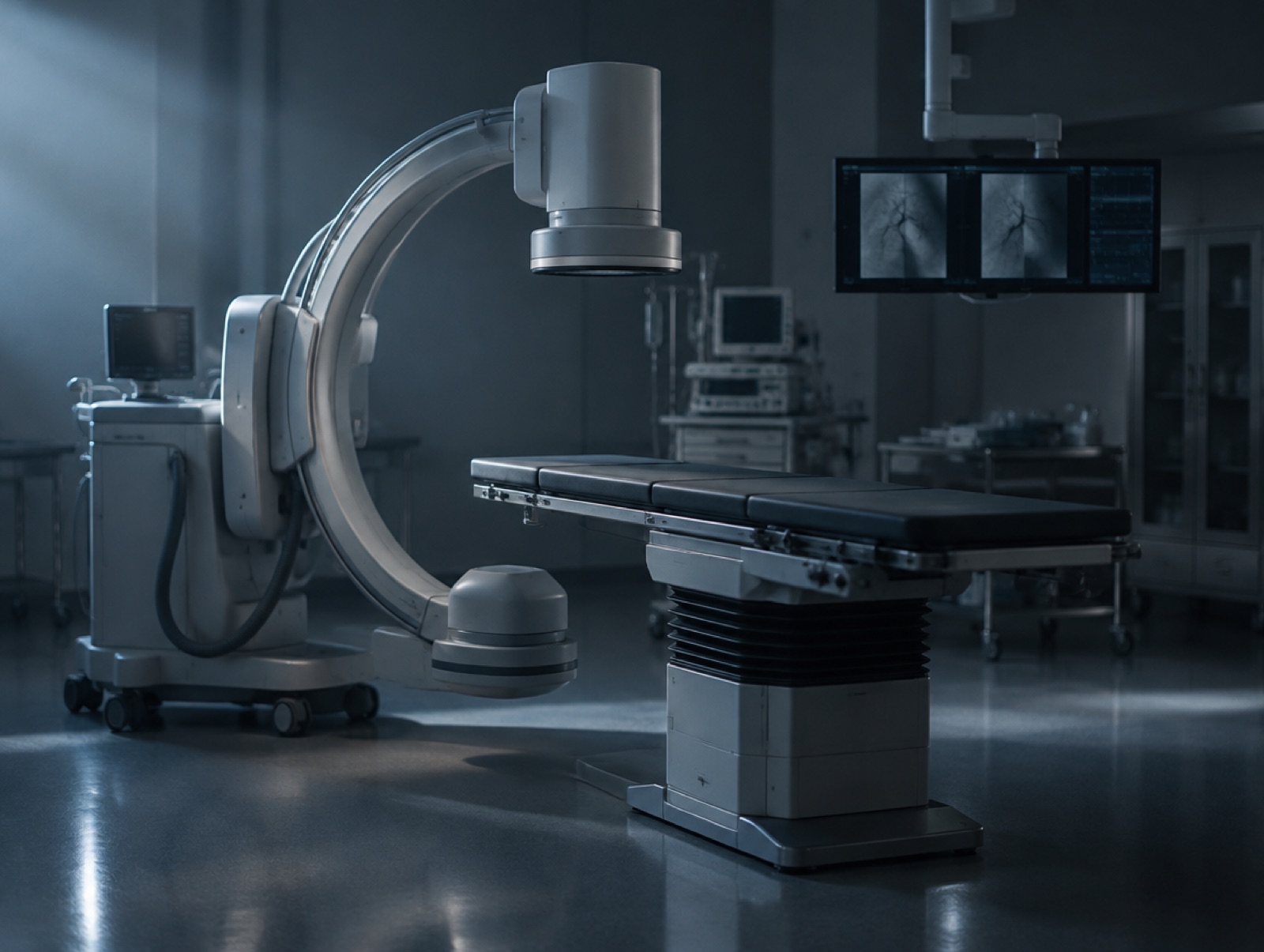 15–30 minEpidural Steroid InjectionAn epidural steroid injection puts anti-inflammatory medication into the epidural space, the area just outsid…Read more →
 30–90 minRadiofrequency AblationRadiofrequency ablation uses heat from a radio wave to interrupt the small nerves that carry pain from an art…Read more →
 20–45 minSympathetic Nerve BlocksA sympathetic nerve block targets the sympathetic nervous system, the automatic network that controls blood f…Read more →
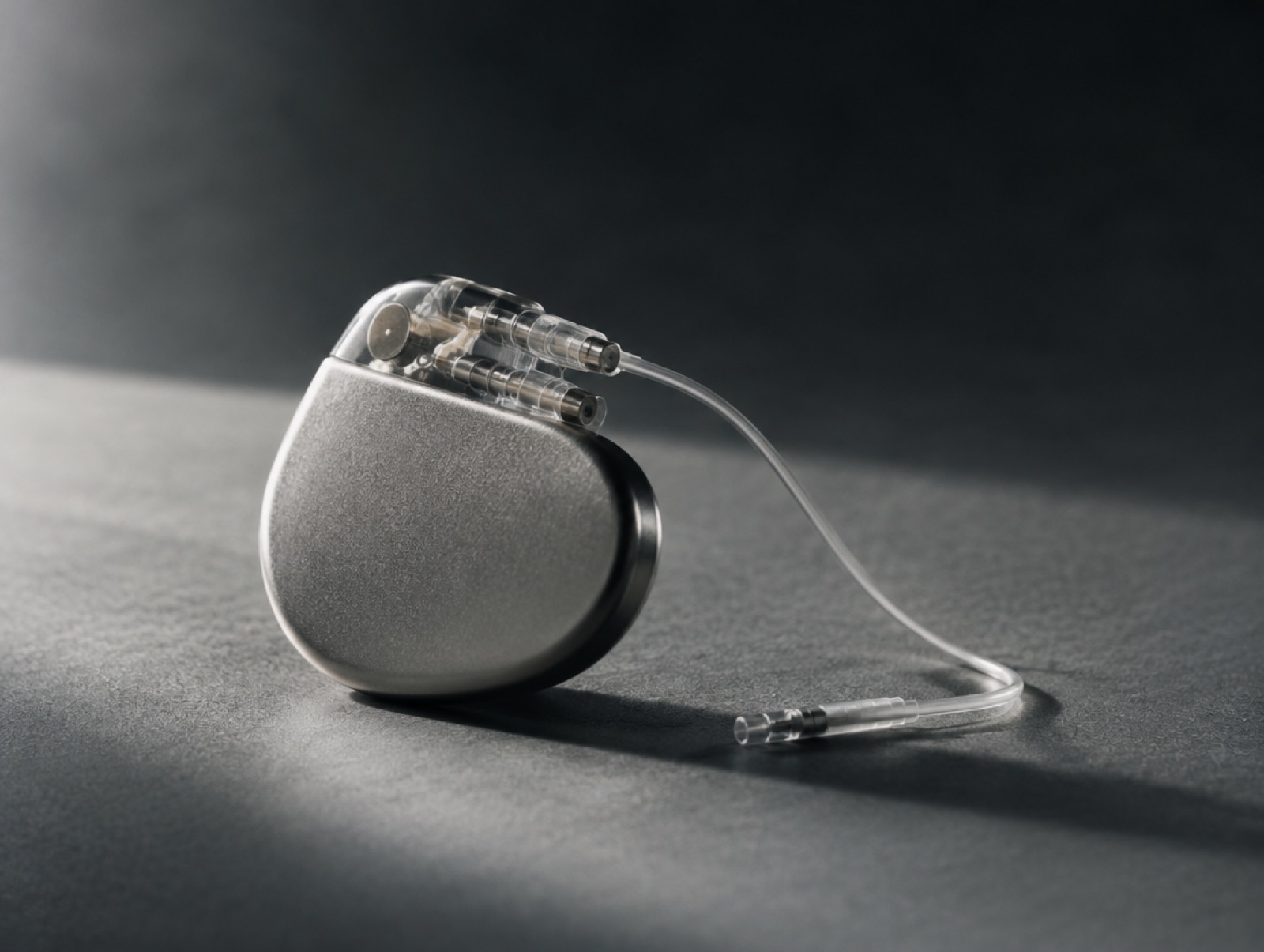 Under an hourIntrathecal Pain PumpsAn intrathecal pump is a small device implanted under the skin of the abdomen that delivers pain medication t…Read more →
Ask whether spinal cord stimulator is right for you.
Three New Jersey offices, most insurance accepted, and a real opening on the calendar.