

Condition
Herniated Disc
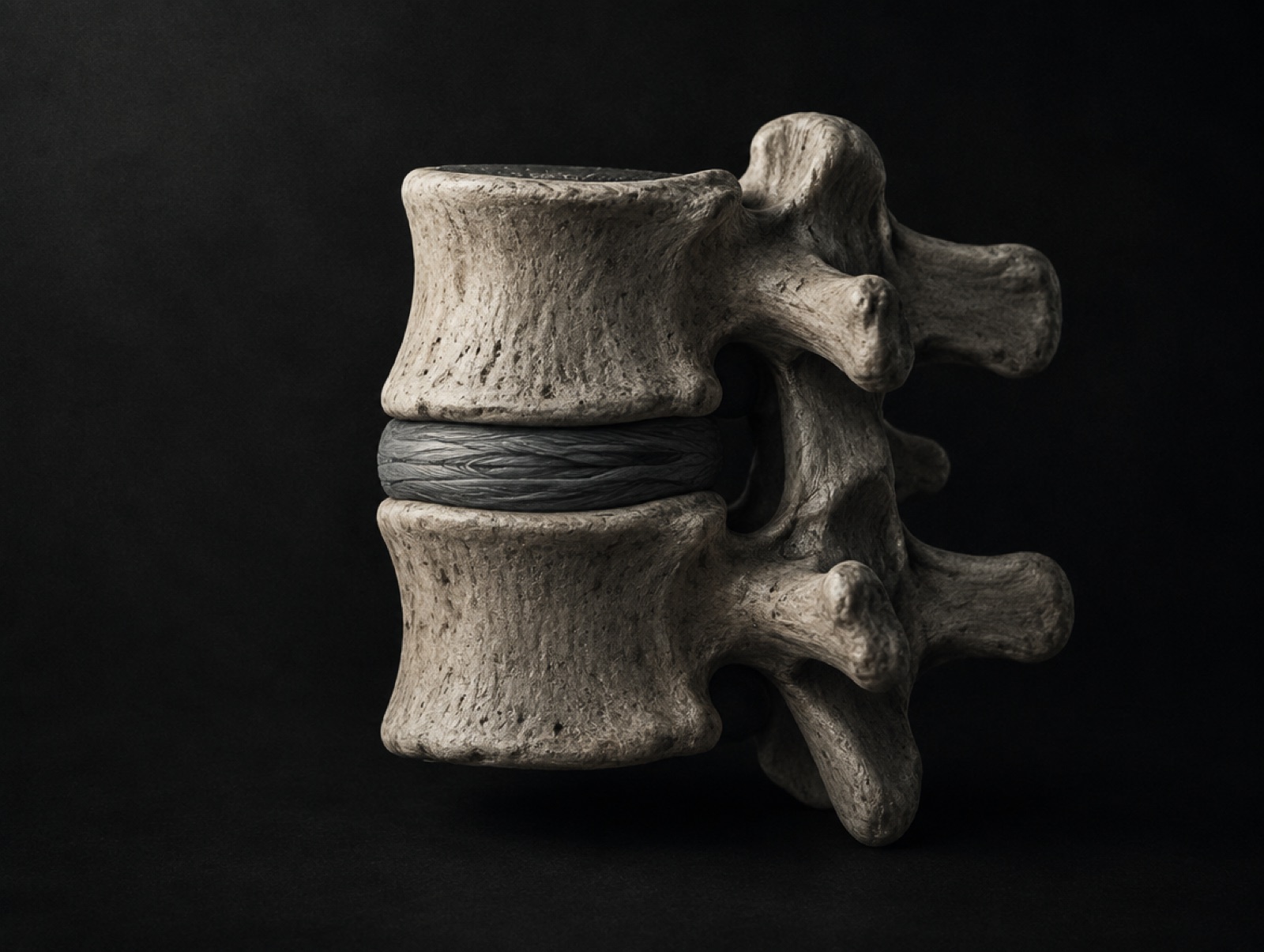
A herniated disc happens when the soft center of a spinal disc pushes through a tear in its tough outer ring.
- Seen at
- All three offices
- Typical wait
- Within the same week
- Treated with
- 6 procedures
In short
What herniated disc actually is.
Herniated Disc
A herniated disc happens when the soft center of a spinal disc pushes through a tear in its tough outer ring. The problem is usually not the bulge itself but the inflammation and pressure it puts on a nearby nerve root, which is what sends pain down an arm or leg. Many herniations shrink on their own over months, so surgery is rarely the first answer.
Symptoms
How it shows up.
If several of these sound like your week, it is worth having the source looked at properly.
- Sharp pain running down one arm or one leg, often worse than the back or neck pain itself
- An electric or burning feeling rather than a dull ache
- Numbness or tingling in a specific patch of skin, not the whole limb
- Weakness lifting the foot, rising on the toes, or gripping with the hand
- Pain that jumps when you cough, sneeze or bear down
- Relief in one very specific position and misery in every other one
- Muscle spasm locking the back or neck to one side
What causes it
- Age related drying and stiffening of the disc, which makes the outer ring easier to tear
- A single heavy or awkward lift, especially lifting and twisting together
- Repetitive bending and loading from work such as construction, nursing or warehouse jobs
- Trauma from a car accident, a fall or a sports collision
- Long hours of seated vibration, common in drivers
- Smoking, which reduces blood supply to the disc and speeds degeneration
When to act
Stop waiting when this happens.
Do not sit on these
Any one of the following is a reason to be seen rather than to wait it out.
- Arm or leg pain has not improved after four to six weeks
- You notice weakness, dropping objects, or a foot that catches on stairs
- Numbness is spreading or getting denser
- Numbness in the groin or saddle area, or any loss of bladder or bowel control, which is a same day emergency
- You cannot sleep, sit through work, or function on the medication you have been given
Diagnosis
Finding the actual source.
A diagnosis is not a guess from an image. It comes from the exam, the history and, where nerves are involved, electrodiagnostic testing.
- A history that establishes when the limb pain began and how it has changed, since a herniation that is improving is managed very differently from one that is progressing
- Nerve tension testing, straight leg raise for the lumbar spine or Spurling maneuver for the cervical spine, to confirm the nerve root is the source
- A neurological exam matching weakness, numbness and reflex changes to a specific level such as L5, S1, C6 or C7
- MRI to see the size, direction and exact location of the herniation and how much room the nerve has left
- EMG and nerve conduction studies to confirm the herniation seen on MRI is the one actually causing symptoms, since imaging routinely shows herniations in people with no pain at all
- A selective nerve root block used diagnostically when imaging shows more than one possible level
Nerve testing happens here, not elsewhere
EMG and nerve conduction studies are done in the office and read by Dr. Sheikh the same day, rather than sent out and waited on.
Treatment
How herniated disc is treated.
Ordered from the most common first step to the options reserved for pain that has not responded.
 15–30 minEpidural Steroid InjectionAn epidural steroid injection puts anti-inflammatory medication into the epidural space, the area just outsid…Read more →
 15–45 minNerve BlockA nerve block is an injection of local anesthetic, often with a steroid, placed next to a specific nerve or c…Read more →
 30–60 minPercutaneous DiscectomyPercutaneous discectomy removes a small amount of material from a bulging or herniated disc through a needle,…Read more →
 45–90 minLaser and Endoscopic DiscectomyEndoscopic discectomy removes herniated disc material through an incision smaller than a fingertip, using a c…Read more →
 Trigger Point InjectionA trigger point injection treats a knot in a muscle, a tight band that will not release and that often refers…Read more →
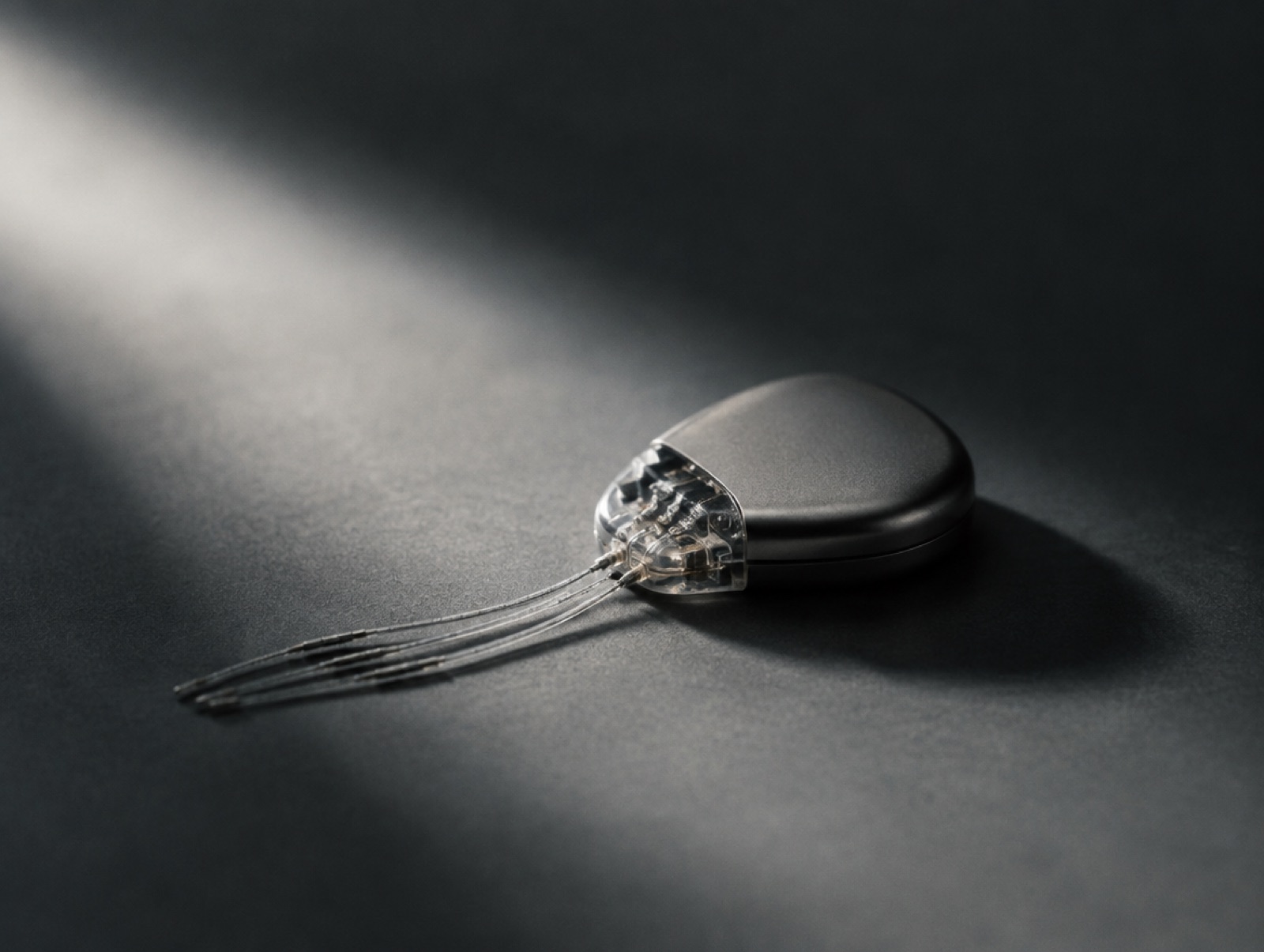 30–45 minSpinal Cord StimulationSpinal cord stimulation uses mild electrical pulses delivered through thin wires placed near the spinal cord…Read more →
Questions
Herniated Disc, answered.
Is surgery the only option for a herniated disc?
No, and for most people it is not even the second option. Epidural steroid injections and selective nerve root blocks relieve the inflammation that causes the pain, and minimally invasive procedures such as percutaneous or laser endoscopic discectomy reduce the herniation through a needle rather than an incision. Open surgery is reserved for progressive weakness or failure of everything else.
Can a herniated disc heal on its own?
Yes. The body gradually reabsorbs herniated disc material, and studies following patients over time show many herniations shrink substantially within six to twelve months. The goal of treatment in that window is to control the inflammation and protect the nerve while that happens.
How long does a herniated disc take to heal?
Most of the pain improves over six to twelve weeks. The herniation itself often takes six months to a year to reabsorb. If you are still in significant pain at the three month mark, that is the point to escalate rather than keep waiting.
Should I stay in bed with a herniated disc?
No. More than a day or two of bed rest makes outcomes worse, not better. Stay as active as the pain allows, avoid bending and lifting with a rounded back, and change positions often. Complete rest stiffens everything and does nothing for the nerve.
What is the difference between a bulging disc and a herniated disc?
A bulge is the whole disc pushing outward evenly, like an underinflated tire. A herniation is the inner material breaking through a tear at one point. Bulges are extremely common and often painless. What matters is whether either one is touching a nerve and whether your symptoms match that level.
Is percutaneous discectomy the same as back surgery?
No. It is done through a needle under X-ray guidance with local anesthetic and sedation, there is no incision and no hardware, and you walk out the same day. Recovery is measured in days rather than months. It works best for contained herniations rather than large fragments.
Can I lift weights again after a herniated disc?
Most people can, with attention to technique and a gradual return. The rebuild starts with core and hip strength before loaded spinal flexion. What we discourage permanently is heavy lifting with a rounded back and a twist, which is how a large share of herniations happen in the first place.
Get a real diagnosis for herniated disc.
Three New Jersey offices, most insurance accepted, and a real opening on the calendar.