
Treatment
Laser and Endoscopic Discectomy
Endoscopic discectomy removes herniated disc material through an incision smaller than a fingertip, using a camera passed down a narrow tube so the surgeon sees the nerve directly…
- Visit length
- 45–90 min
- Setting
- In the office
- Performed by
- Dr. Ednan Sheikh
- Offices
- Clifton, Jersey City, Edison
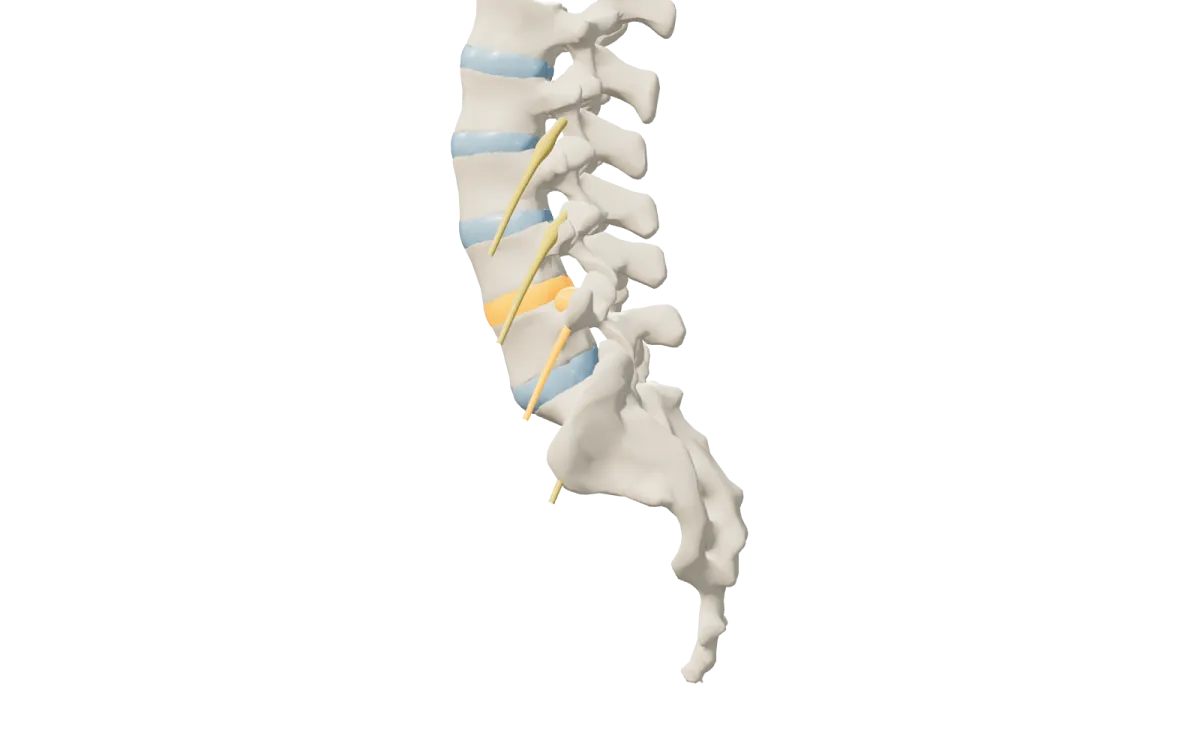
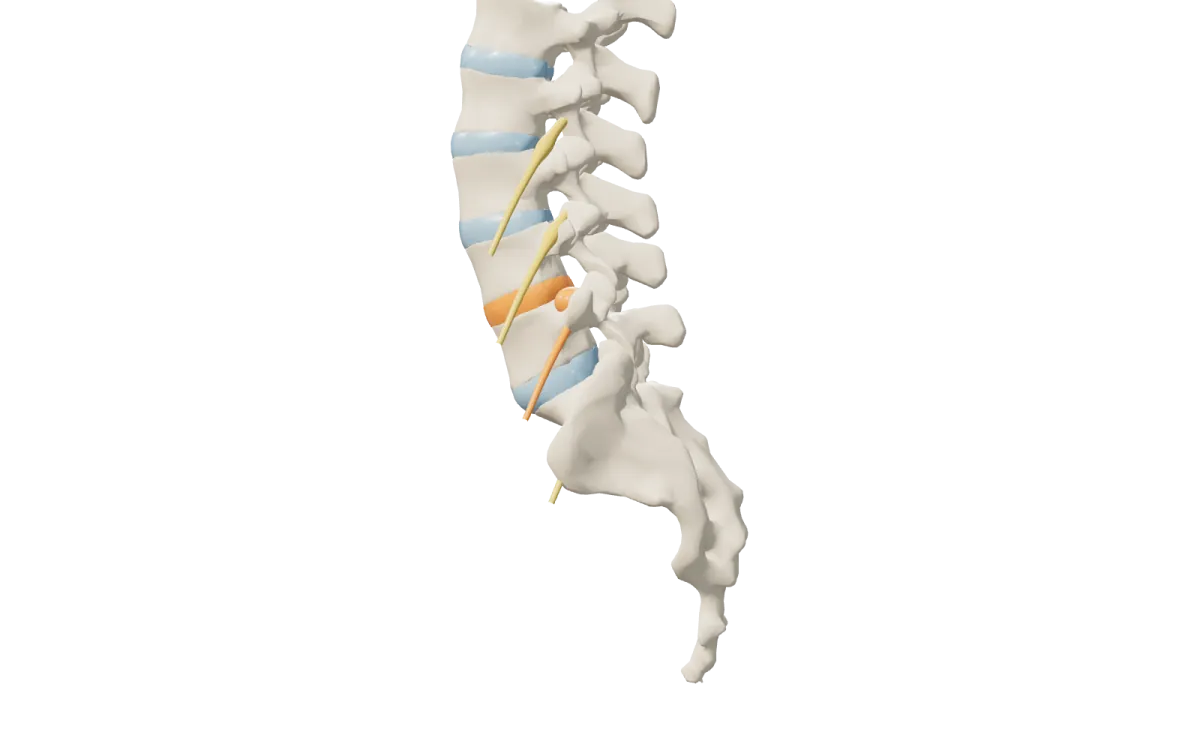 Herniated discNerve root

In short
What endoscopic discectomy does.
Laser and Endoscopic Discectomy
Endoscopic discectomy removes herniated disc material through an incision smaller than a fingertip, using a camera passed down a narrow tube so the surgeon sees the nerve directly on a screen. Laser energy may be used alongside it to shrink disc tissue and clear bone spurs. It is for people with ongoing leg or arm pain from a confirmed disc herniation or a narrowed nerve opening who have not improved with therapy and injections, and who want an alternative to open spine surgery.
Surgery takes 45 to 90 minutes. Expect four to six hours at the facility, and same day discharge in most cases.
Who it helps
Is this the right procedure for you?
It is worth asking about if any of these describe where you are now.
- Persistent leg or arm pain from a disc herniation confirmed on MRI
- Nerve compression at the foramen, the small opening where the nerve exits the spine
- Pain that has not improved after several months of therapy, medication and injections
- People who got real but temporary relief from epidural steroid injections
- People who want to avoid the muscle disruption and longer recovery of open surgery
- People with symptoms matching one or two nerve roots rather than diffuse back pain
Conditions
What it is used for.
 Low Back PainLow back pain is pain in the area between the bottom of your ribs and the top of your hips.Read more →
 Neck PainNeck pain is pain in the cervical spine, the seven vertebrae between your skull and your shoulders.Read more →
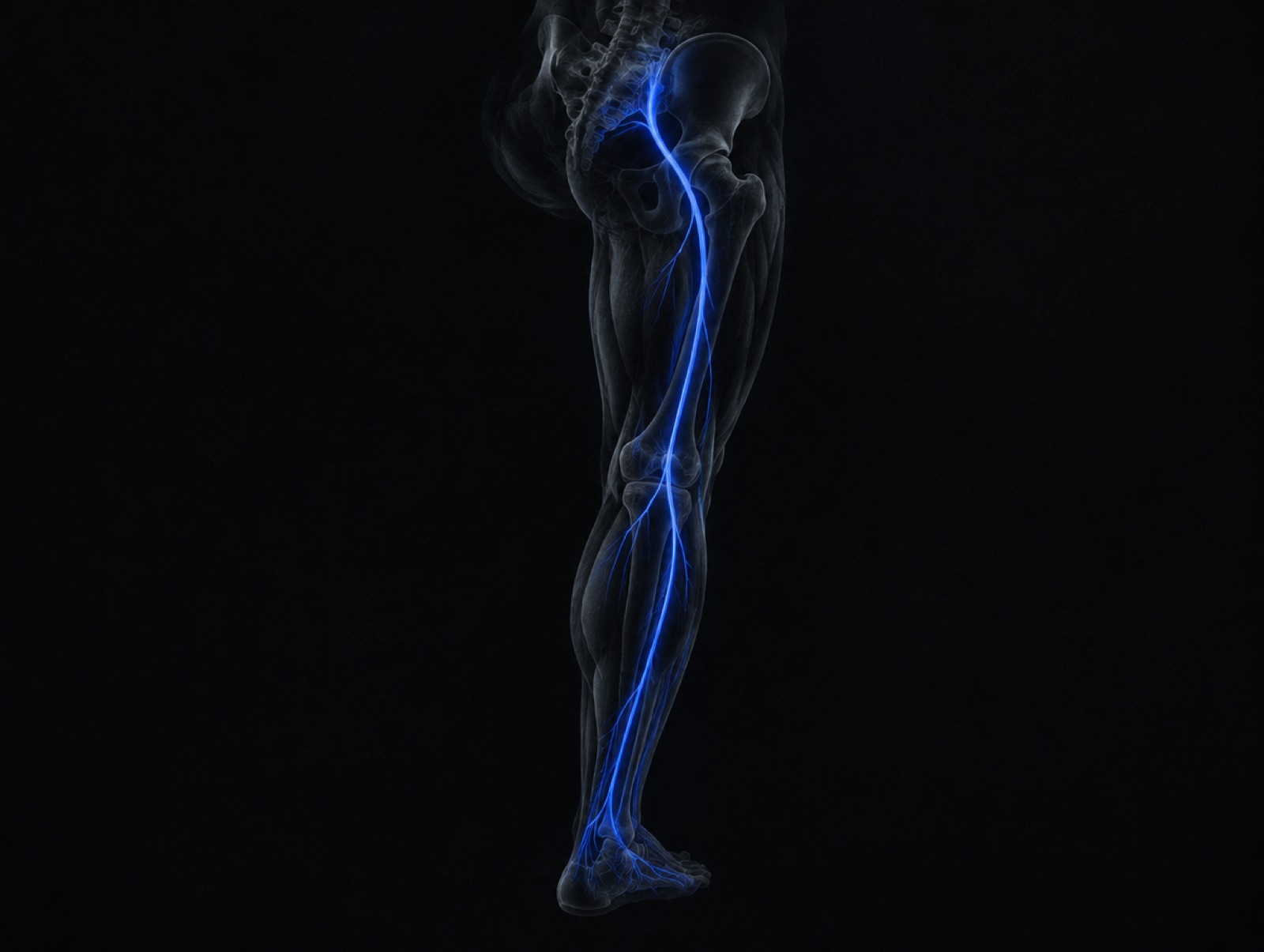 SciaticaSciatica is pain that travels from the low back or buttock down the back of the leg, following the sciatic ne…Read more →
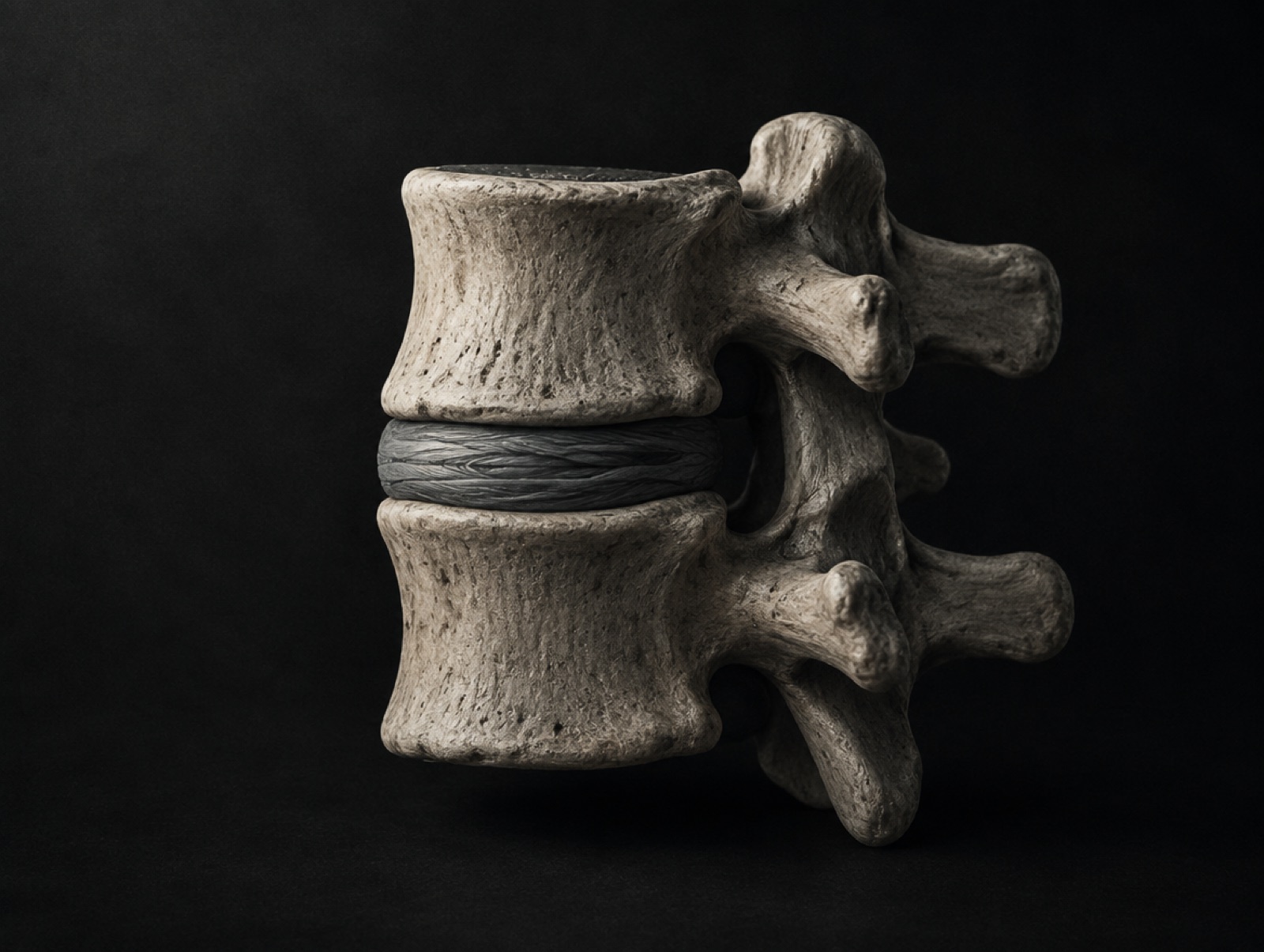 Herniated DiscA herniated disc happens when the soft center of a spinal disc pushes through a tear in its tough outer ring.Read more →
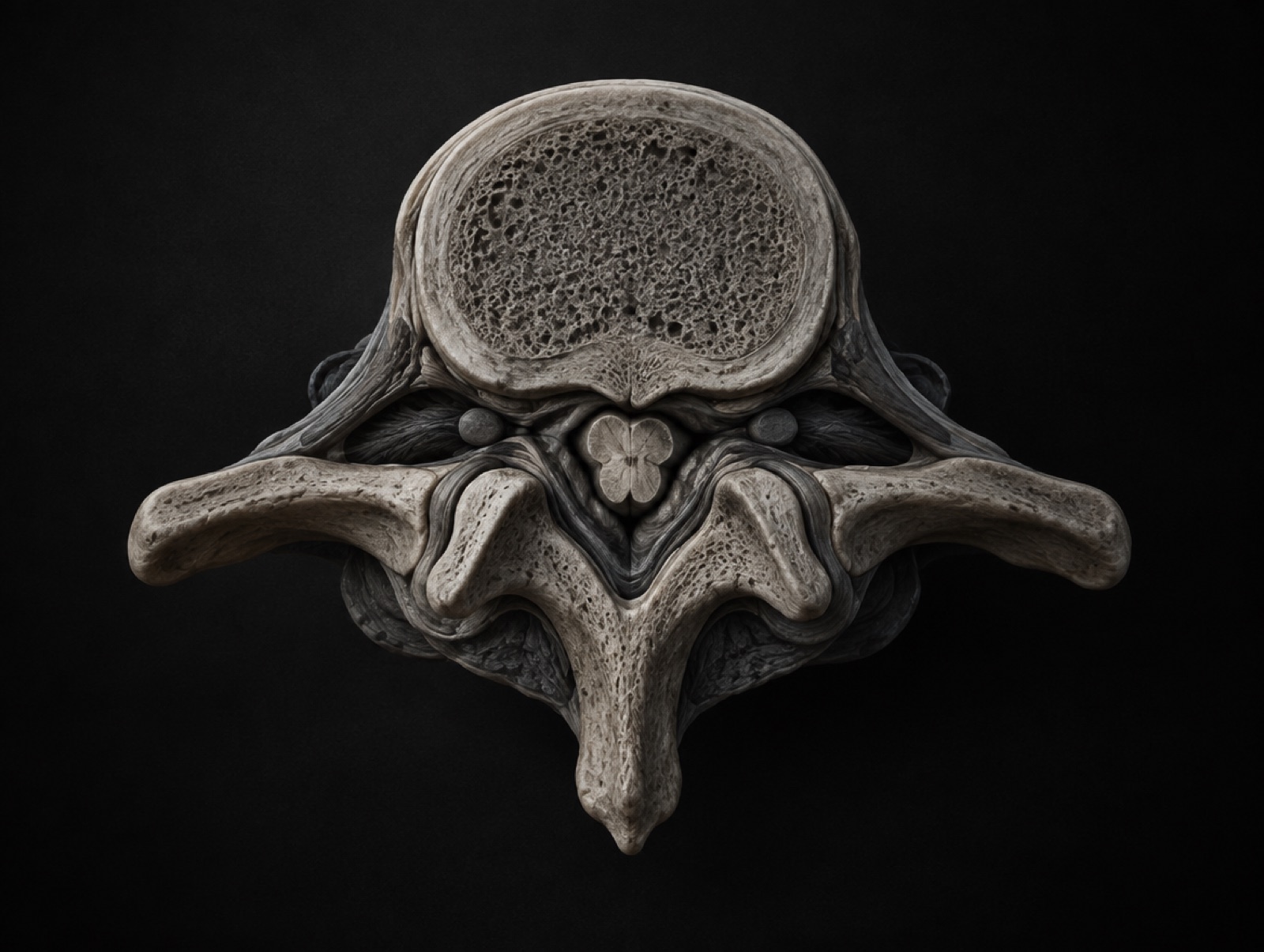 Spinal StenosisSpinal stenosis is narrowing of the space inside the spinal canal, which leaves less room for the spinal cord…Read more →
The procedure
What actually happens, start to finish.
No surprises on the day. This is the whole thing, in order.
- 01
Evaluation and imaging review
Your MRI and CT are reviewed against your exam findings. Endoscopic surgery works when one specific structure is compressing one specific nerve. Diffuse back pain without nerve compression does not improve with this operation, and you will be told that plainly.
- 02
Pre-operative preparation
You have blood work and a medical clearance if needed, stop blood thinners as instructed, and fast from midnight. You arrive with a driver and someone to stay with you the first night.
- 03
Anesthesia and positioning
The procedure is usually done under sedation with local anesthetic, sometimes under general anesthesia. You lie face down on a radiolucent table. The skin is prepped and draped in a full sterile field.
- 04
Creating the working channel
A small incision, roughly seven to ten millimeters, is made. A guide wire and a series of dilators spread the muscle fibers apart rather than cutting them, and a working tube is passed down to the spine. Preserving muscle is why recovery is faster than open surgery.
- 05
Direct visualization
The endoscope goes down the tube, sending a magnified high definition image to a monitor. Continuous saline irrigation keeps the view clear. The surgeon sees the nerve root, the disc and the surrounding bone directly.
- 06
Decompressing the nerve
The herniated fragment is removed with small graspers. If the nerve opening is narrowed, a foraminotomy enlarges it by removing bone and thickened ligament. Laser energy may be used to shrink remaining disc tissue and seal small bleeding points. The nerve is watched as it becomes free and starts to move again.
- 07
Closing
Instruments come out, the muscle falls back into place and the small incision is closed with one or two stitches or surgical glue. A simple dressing is applied.
- 08
Recovery and discharge
You recover for one to three hours and are checked for leg strength, sensation and the ability to walk and pass urine. Most people go home the same day. Leg pain is often noticeably better before you leave.
After
Recovery, and the risks worth knowing.
Recovery
- You need a driver and someone with you for the first 24 hours.
- Walk the day of surgery, short distances several times. Walking early reduces stiffness and clot risk.
- No bending, lifting over ten pounds or twisting for four to six weeks.
- Keep the incision dry for 48 hours. Showering is usually allowed after that, with no baths, pools or hot tubs for three weeks.
- Incision and muscle soreness lasts one to two weeks. Leg or arm pain often improves immediately, while numbness can take weeks to months to recover.
- Desk work at one to two weeks, physical work at six to eight weeks, and structured physical therapy starting around two to four weeks.
Risks
Every procedure carries risk. These are the ones worth knowing about, and Dr. Sheikh goes through them with you before you consent to anything.
- Infection at the incision or, rarely, in the disc space
- Dural tear, a small hole in the covering of the spinal nerves, which can cause a spinal fluid leak and headache
- Nerve injury causing numbness, weakness or increased pain, uncommon but possible
- Bleeding or blood clot formation near the nerve
- Recurrent disc herniation at the same level, which occurs in roughly five to ten percent of cases
- Incomplete relief, or conversion to an open procedure if the endoscopic approach cannot reach the problem safely
Questions
Endoscopic Discectomy, answered.
Is endoscopic discectomy real surgery?
Yes. It is spine surgery done through a very small incision with a camera rather than a large open exposure. The advantage is less muscle damage and a faster recovery, not that it is a minor procedure.
How is it different from percutaneous discectomy?
Percutaneous discectomy works through a needle with no direct view, and it treats contained bulges. Endoscopic discectomy uses a small incision and a camera so the surgeon sees the nerve, which allows removal of free fragments and enlargement of the nerve opening.
Will I be asleep?
Usually you are under deep sedation with local anesthetic, which lets you report any nerve sensation during the procedure. General anesthesia is used when the case calls for it.
How long before I can go back to work?
Desk work is typically one to two weeks. Work involving lifting, climbing or driving for long periods is usually six to eight weeks. We provide written restrictions for your employer.
Will the numbness go away?
Pain usually improves fastest, often right away. Numbness and weakness recover more slowly because the nerve itself has to heal, which can take weeks to months. Nerves compressed for a long time may not recover fully.
What does the laser actually do?
It delivers focused energy to shrink and vaporize disc tissue and to seal small bleeding vessels. It is one tool used during the procedure, not a separate treatment on its own.
Can the disc herniate again after surgery?
Yes, in about five to ten percent of cases. The disc is not repaired, only the fragment pressing on the nerve is removed. Following the lifting restrictions and building core strength lowers that risk.
Related
Other procedures.
 15–30 minEpidural Steroid InjectionAn epidural steroid injection puts anti-inflammatory medication into the epidural space, the area just outsid…Read more →
 30–45 minSpinal Cord StimulationSpinal cord stimulation uses mild electrical pulses delivered through thin wires placed near the spinal cord…Read more →
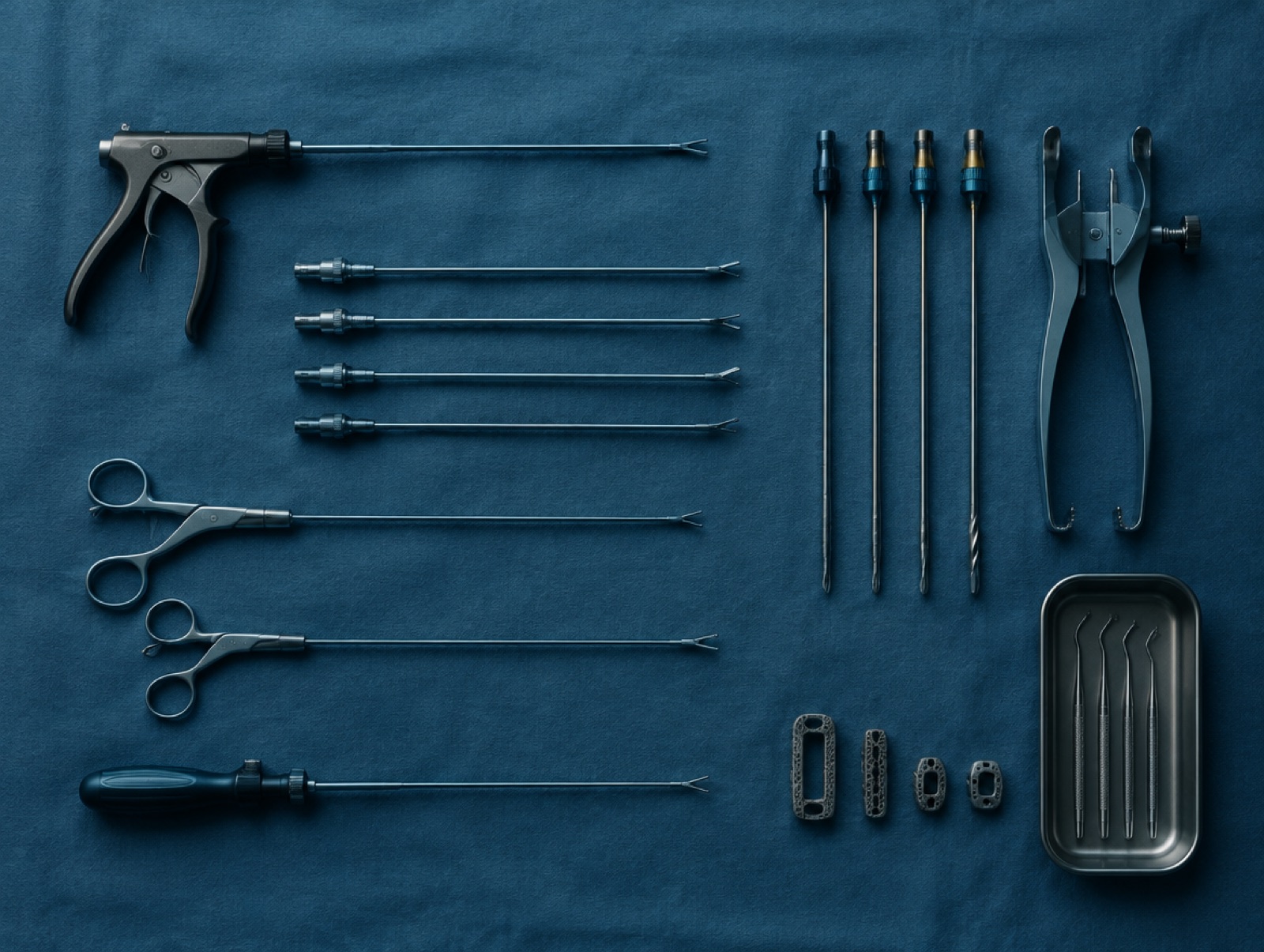 30–60 minPercutaneous DiscectomyPercutaneous discectomy removes a small amount of material from a bulging or herniated disc through a needle,…Read more →
 20–30 minPost-Procedure RecoveryPost-procedure recovery is the structured follow-up after an injection, ablation or implant: written instruct…Read more →
Ask whether endoscopic discectomy is right for you.
Three New Jersey offices, most insurance accepted, and a real opening on the calendar.