
Treatment
Percutaneous Discectomy
Percutaneous discectomy removes a small amount of material from a bulging or herniated disc through a needle, with no incision and no stitches.
- Visit length
- 30–60 min
- Setting
- In the office
- Performed by
- Dr. Ednan Sheikh
- Offices
- Clifton, Jersey City, Edison
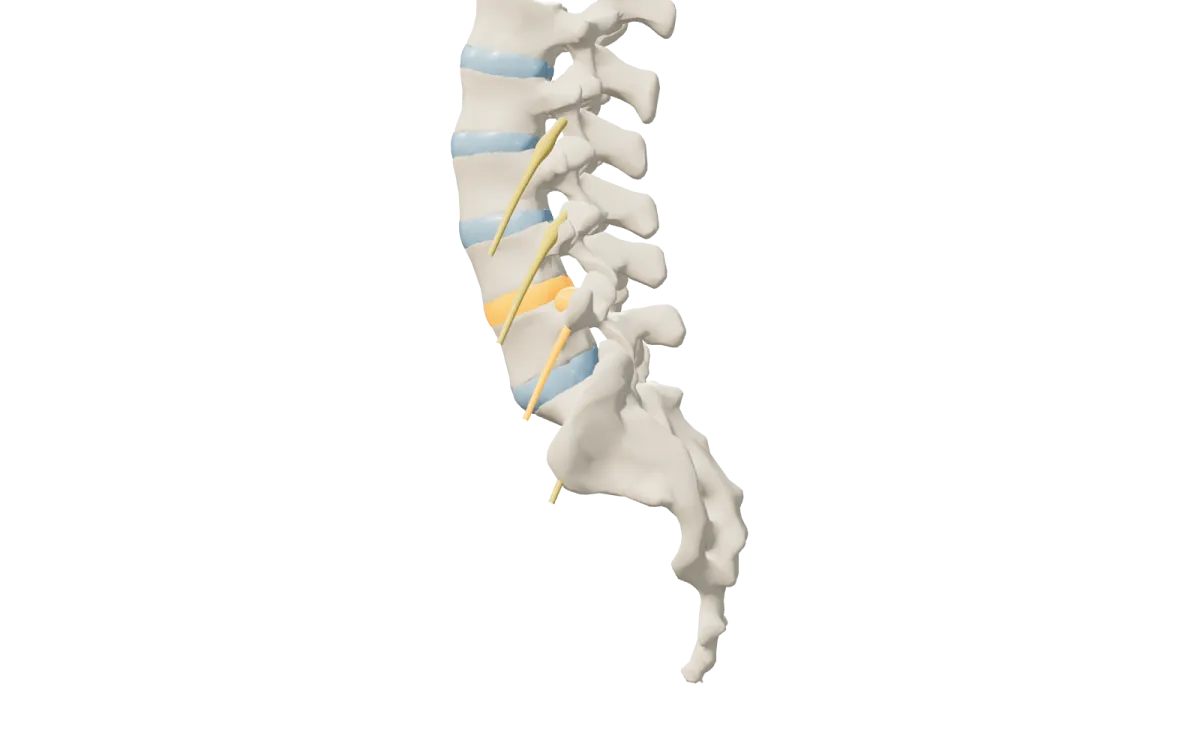
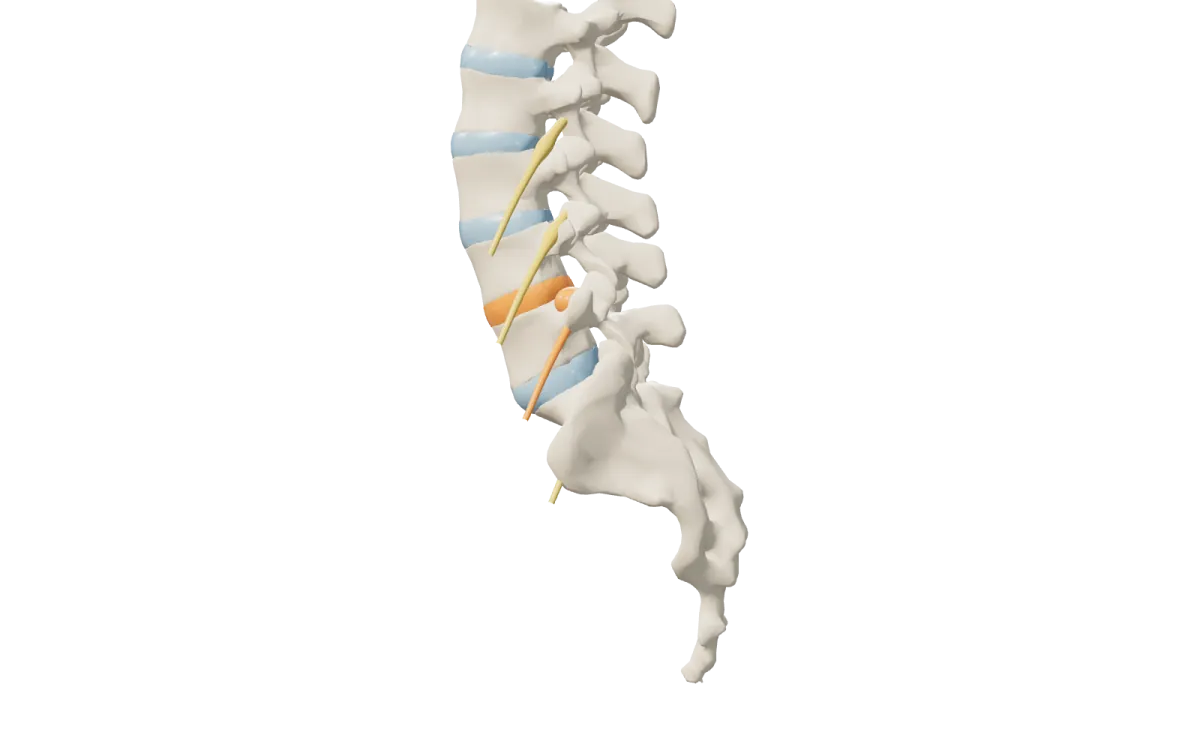 Herniated discNerve root

In short
What percutaneous discectomy does.
Percutaneous Discectomy
Percutaneous discectomy removes a small amount of material from a bulging or herniated disc through a needle, with no incision and no stitches. Taking pressure out of the disc lets the bulge pull back off the nerve, which relieves the leg or arm pain, numbness and weakness the nerve was causing. It suits contained disc bulges that have not responded to therapy and injections, and it is done as a same day outpatient procedure under local anesthetic with light sedation.
The procedure takes 30 to 60 minutes. With preparation and recovery, plan on three to four hours at the facility.
Who it helps
Is this the right procedure for you?
It is worth asking about if any of these describe where you are now.
- Leg or arm pain from a contained disc bulge confirmed on MRI
- Sciatica that has lasted more than six weeks despite therapy and medication
- People who got only brief relief from epidural steroid injections
- People who want an option between injections and open spine surgery
- People who need to avoid general anesthesia or a hospital stay
- People with symptoms that match one nerve root clearly on exam and imaging
Conditions
What it is used for.
 Low Back PainLow back pain is pain in the area between the bottom of your ribs and the top of your hips.Read more →
 Neck PainNeck pain is pain in the cervical spine, the seven vertebrae between your skull and your shoulders.Read more →
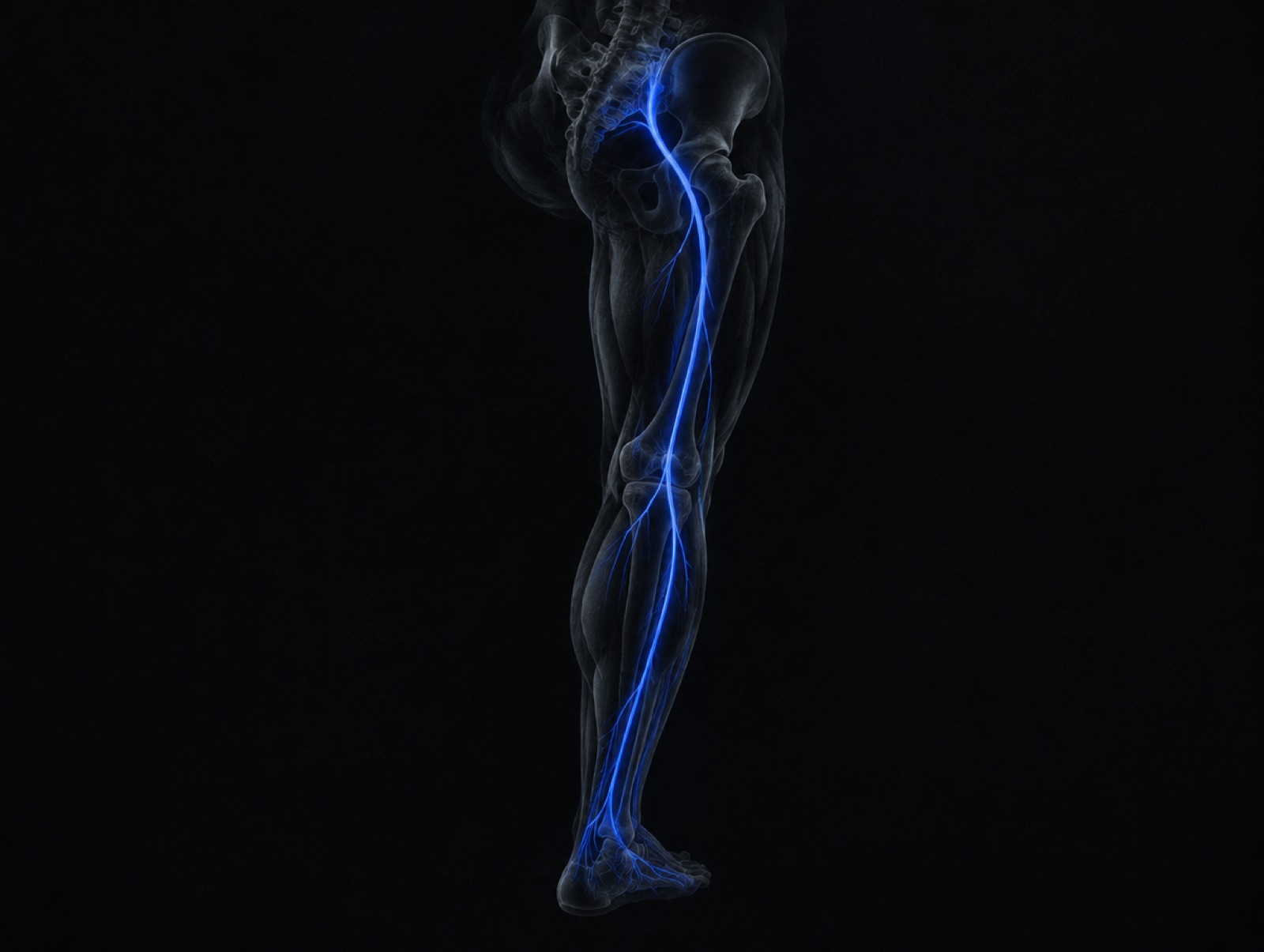 SciaticaSciatica is pain that travels from the low back or buttock down the back of the leg, following the sciatic ne…Read more →
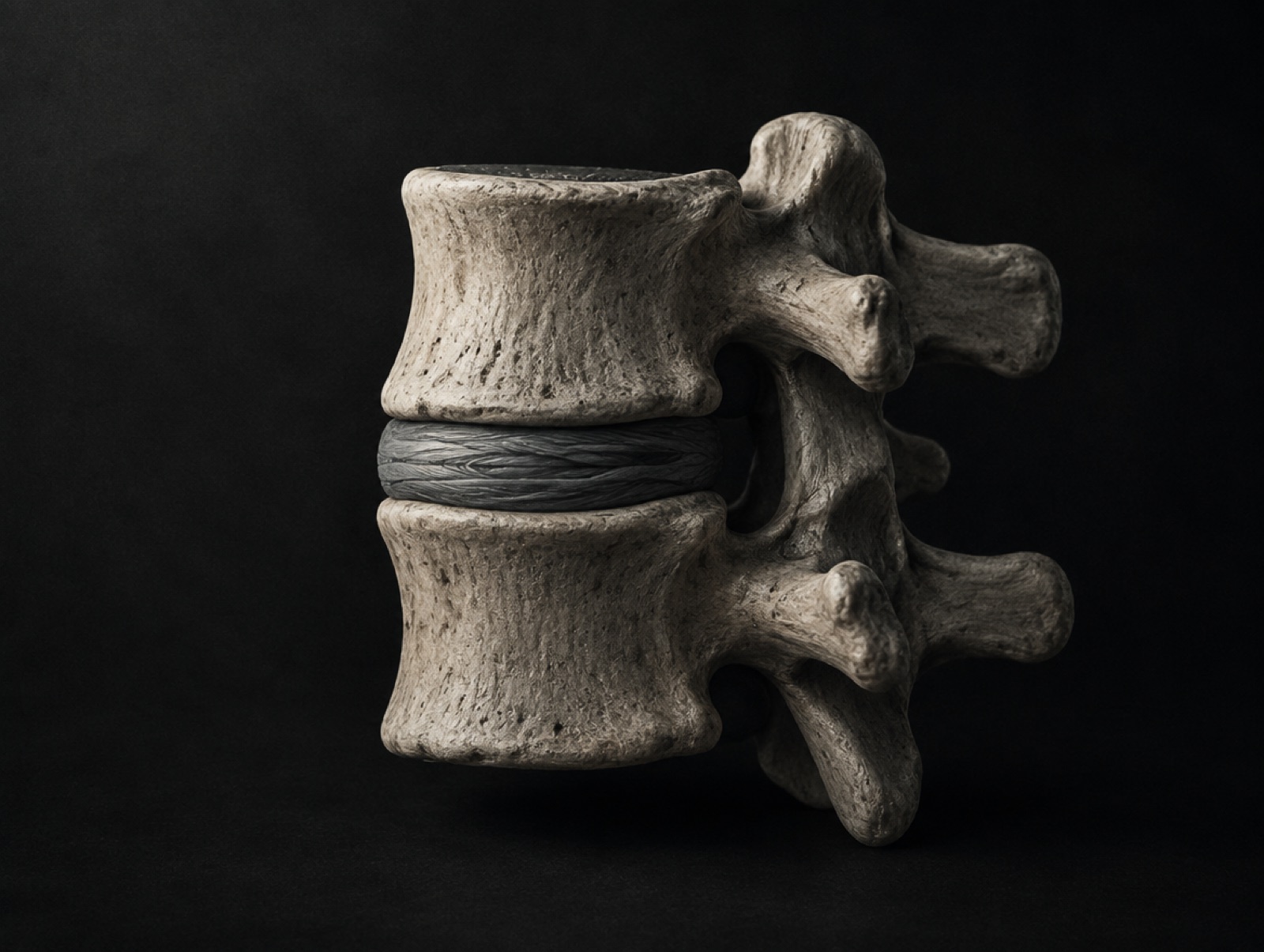 Herniated DiscA herniated disc happens when the soft center of a spinal disc pushes through a tear in its tough outer ring.Read more →
The procedure
What actually happens, start to finish.
No surprises on the day. This is the whole thing, in order.
- 01
Confirming you are a candidate
Dr. Sheikh reviews your MRI closely. The disc has to be contained, meaning the outer ring is still intact. A fragment that has broken free, a severely collapsed disc or significant bony stenosis will not respond, and those are referred to a spine surgeon instead.
- 02
Preparation
Blood thinners are held for several days. You fast from midnight, arrange a driver and arrive about an hour early. An IV is placed for light sedation and antibiotics are given before the procedure starts.
- 03
Positioning and prep
You lie face down on the fluoroscopy table. The back is cleaned with a surgical antiseptic scrub and draped widely. Sterile technique here is the same standard used for surgery, because the disc has a poor blood supply and infection in it is serious.
- 04
Reaching the disc
After generous local anesthetic, a needle is advanced under live X-ray along a path beside the spine into the outer edge of the disc, avoiding the nerve root. Position is confirmed in front to back and side views before anything else happens.
- 05
Removing disc material
A probe is passed through the needle. Depending on the technique, material is removed mechanically with a small rotating cutter, vaporized with laser energy, or washed out with a high pressure water jet. Only a small volume needs to be removed, usually one to three grams, because the disc is a closed space where a little decompression goes a long way.
- 06
Checking the result
Dr. Sheikh confirms the probe has been where it should be, removes the instruments and takes final images. A dressing goes over the puncture site. There are no stitches because there is no incision.
- 07
Recovery and discharge
You recover for 30 to 60 minutes while sedation wears off and you are checked for leg strength and sensation. You go home the same day with your driver, along with written instructions and a follow-up appointment.
After
Recovery, and the risks worth knowing.
Recovery
- You must have a driver. Sedation makes driving unsafe for the rest of the day.
- Rest for the first 24 to 48 hours, getting up to walk short distances every hour or two.
- No bending, lifting over ten pounds, or twisting for two weeks while the disc puncture seals.
- Expect back soreness and possible muscle spasm for a week. Leg pain often improves before the back does.
- Walk daily, increasing distance gradually. Walking is the single best exercise in the first two weeks.
- Start physical therapy at two to four weeks. Most people notice clear improvement within days to a few weeks and continue improving for two to three months.
Risks
Every procedure carries risk. These are the ones worth knowing about, and Dr. Sheikh goes through them with you before you consent to anything.
- Back soreness and muscle spasm for several days after the procedure
- Discitis, an infection inside the disc, which is rare but serious and is treated with antibiotics and sometimes hospitalization
- Nerve root irritation causing temporary increased leg pain, numbness or weakness
- Bleeding or bruising along the needle path
- Incomplete relief or recurrence of the herniation, which can still require open surgery later
- Accelerated degeneration of the treated disc over the long term, since disc material that is removed does not grow back
Questions
Percutaneous Discectomy, answered.
Is percutaneous discectomy surgery?
It sits between an injection and surgery. There is no incision, no stitches and no general anesthesia, and you go home the same day. But disc material is being removed, so it carries more risk than an injection and it is not something to take lightly.
Will I be asleep?
You are sedated but not under general anesthesia. You are comfortable and drowsy and can still respond if asked, which matters because you can tell us immediately if the probe is near a nerve.
How long is the recovery?
Most people return to desk work within a week and to full activity in four to six weeks. The restriction that matters most is no bending, lifting or twisting for the first two weeks.
How likely is it to work?
In well selected patients with a contained disc bulge, good results are reported in roughly seven to eight out of ten cases. Selection is what drives that number, which is why the MRI review beforehand is strict.
What if it does not work?
Percutaneous discectomy does not prevent open surgery later. If your pain continues, we refer you to a spine surgeon, and the procedure does not complicate what they can do.
Can the same disc herniate again?
Yes. The procedure removes the material pressing on the nerve, it does not repair the disc or reverse degeneration. Core strength, lifting technique and weight control are what reduce the chance of it happening again.
Related
Other procedures.
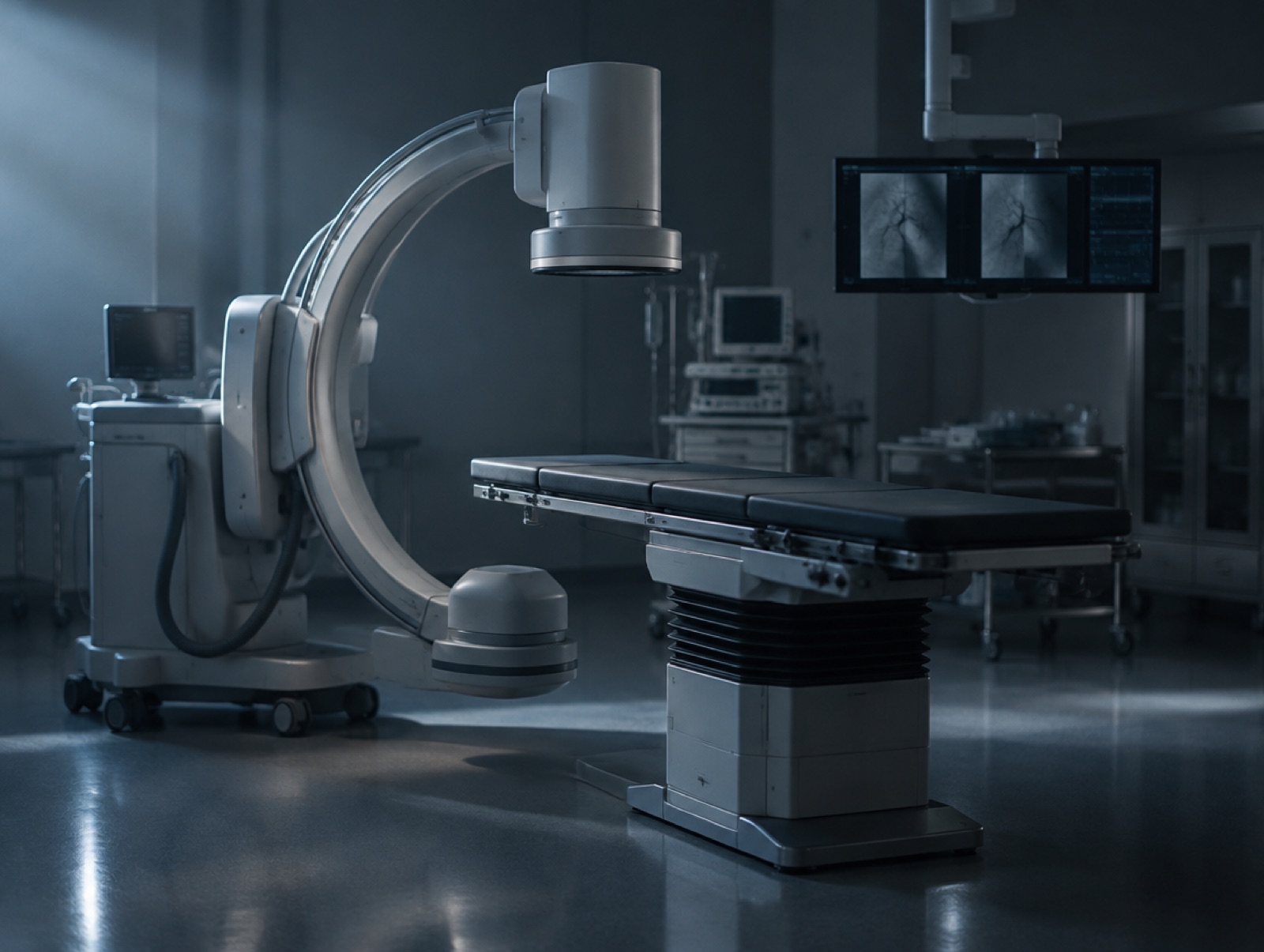 15–30 minEpidural Steroid InjectionAn epidural steroid injection puts anti-inflammatory medication into the epidural space, the area just outsid…Read more →
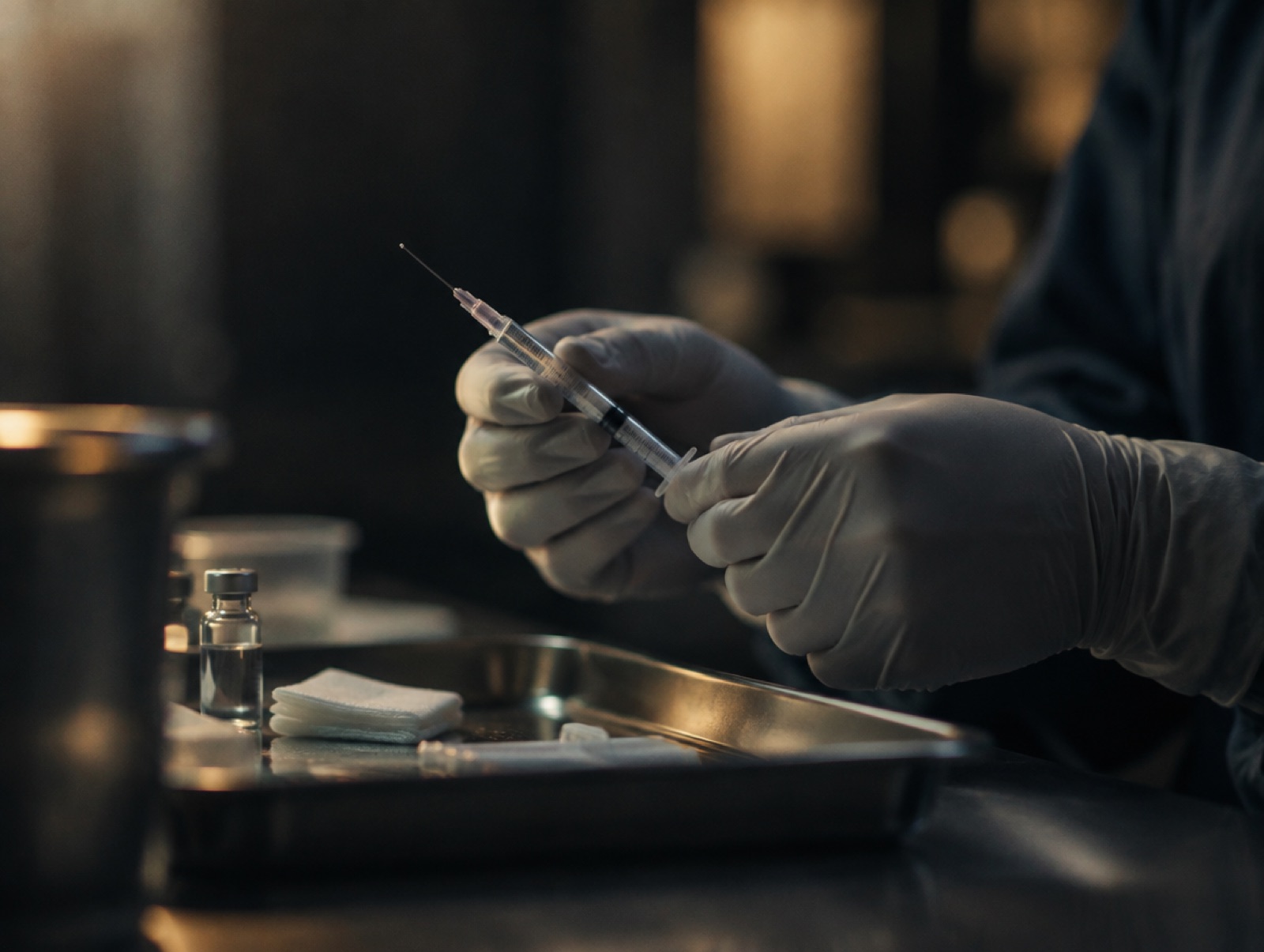 15–45 minNerve BlockA nerve block is an injection of local anesthetic, often with a steroid, placed next to a specific nerve or c…Read more →
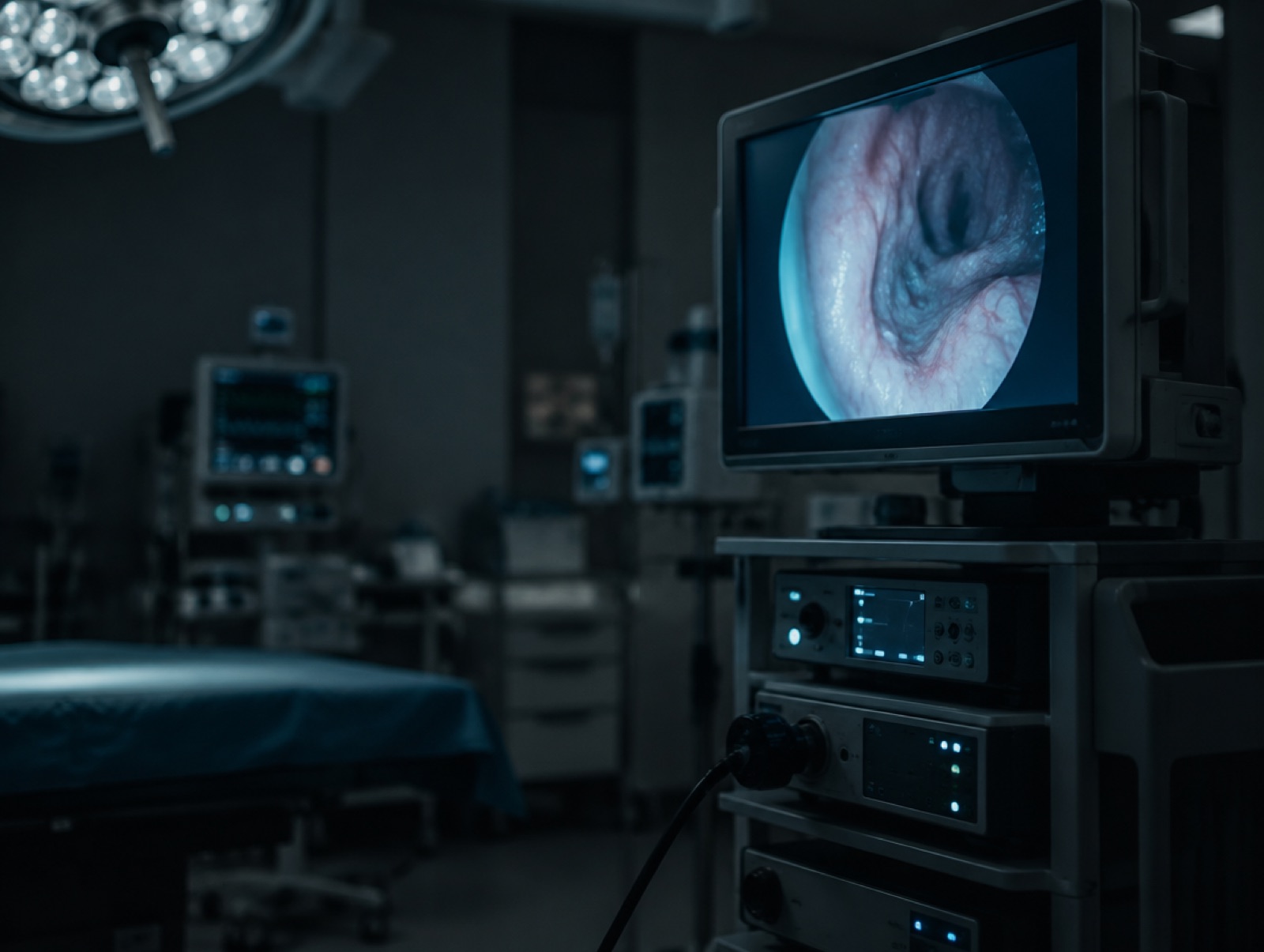 45–90 minLaser and Endoscopic DiscectomyEndoscopic discectomy removes herniated disc material through an incision smaller than a fingertip, using a c…Read more →
 20–30 minPost-Procedure RecoveryPost-procedure recovery is the structured follow-up after an injection, ablation or implant: written instruct…Read more →
Ask whether percutaneous discectomy is right for you.
Three New Jersey offices, most insurance accepted, and a real opening on the calendar.