

Treatment
Post-Procedure Recovery
Post-procedure recovery is the structured follow-up after an injection, ablation or implant: written instructions specific to what you had done, a pain diary, a scheduled follow-u…
- Visit length
- 20–30 min
- Setting
- In the office
- Performed by
- Dr. Ednan Sheikh
- Offices
- Clifton, Jersey City, Edison
In short
What recovery care does.
Post-Procedure Recovery
Post-procedure recovery is the structured follow-up after an injection, ablation or implant: written instructions specific to what you had done, a pain diary, a scheduled follow-up visit, and a phone number you can reach for urgent concerns. What happens in the days after a procedure decides how much benefit you keep from it, because most treatments open a window and physical therapy is what holds it open. This page covers the general pattern, and your own instructions always take priority.
Observation is 20 to 30 minutes after most injections and one to three hours after sedation or an implant. Follow-up is typically at two to six weeks.
Who it helps
Is this the right procedure for you?
It is worth asking about if any of these describe where you are now.
- Anyone who has just had an injection, ablation, discectomy or implant with our practice
- People who are not sure whether what they are feeling after a procedure is normal
- People who want to know when to call the office and when to go to the emergency room
- Family members and caregivers helping someone through the first days at home
- People coordinating physical therapy or return to work after a procedure
- Workers compensation and auto accident patients who need documented follow-up and written restrictions
Conditions
What it is used for.
 Low Back PainLow back pain is pain in the area between the bottom of your ribs and the top of your hips.Read more →
 Neck PainNeck pain is pain in the cervical spine, the seven vertebrae between your skull and your shoulders.Read more →
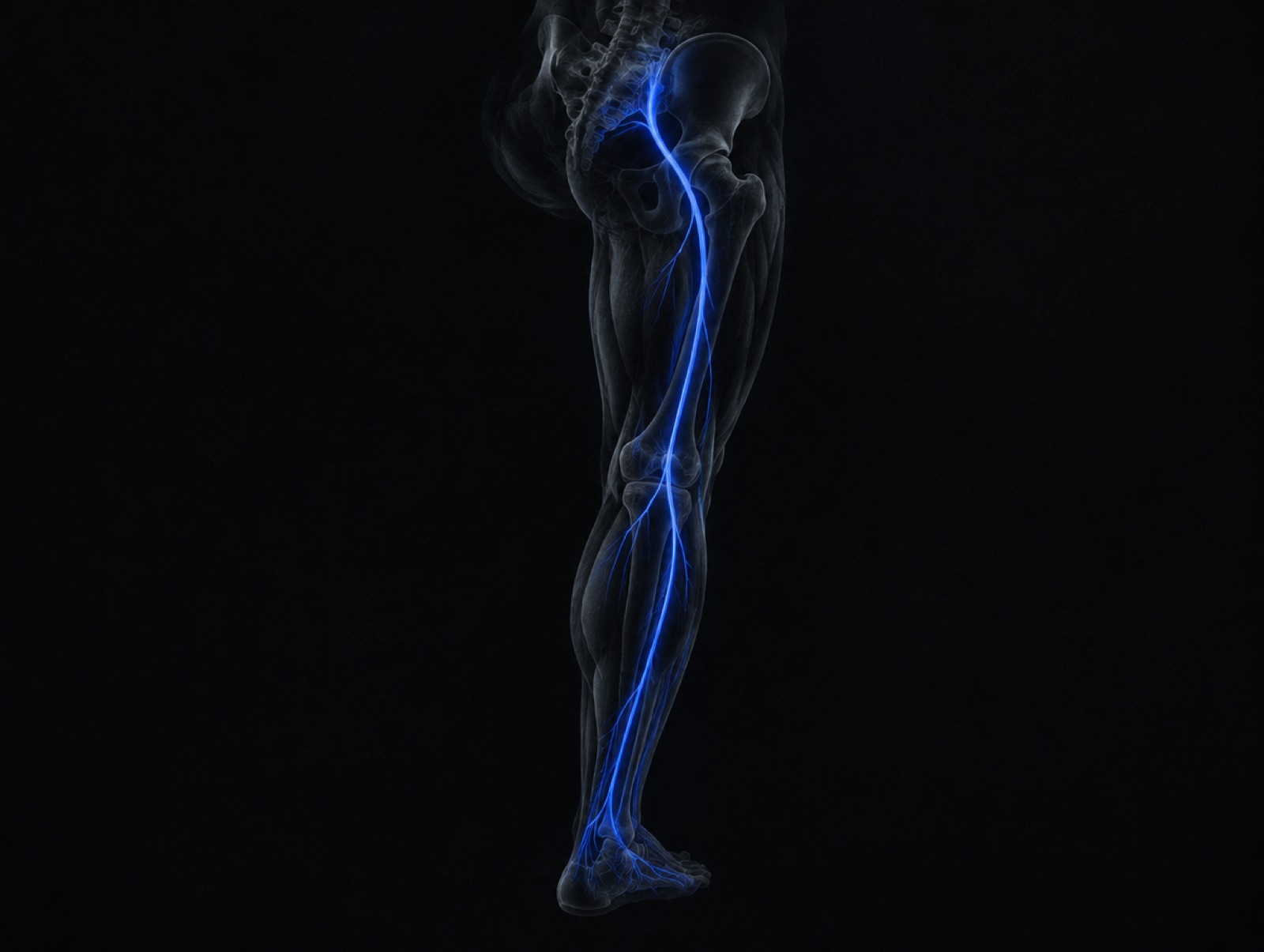 SciaticaSciatica is pain that travels from the low back or buttock down the back of the leg, following the sciatic ne…Read more →
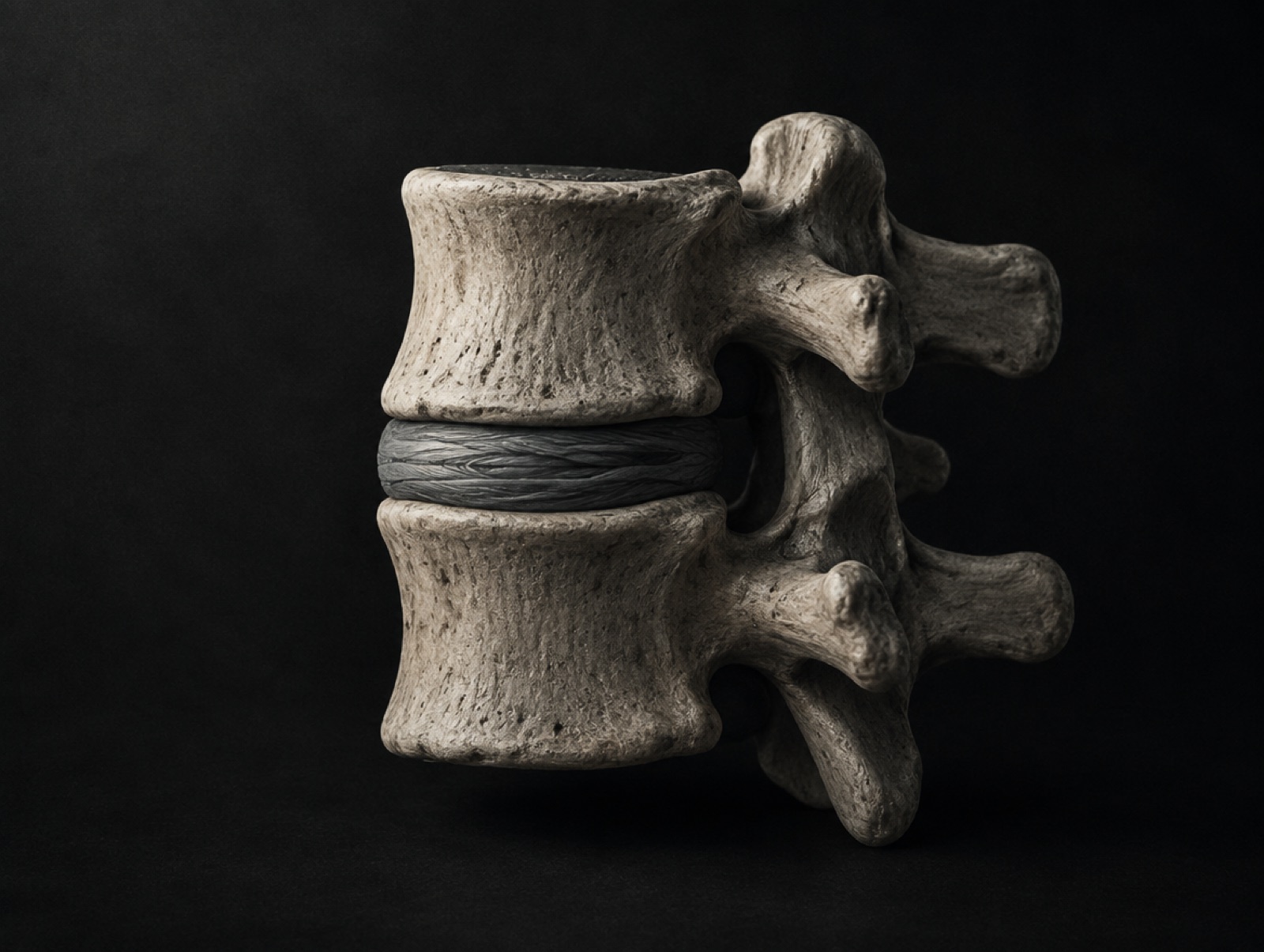 Herniated DiscA herniated disc happens when the soft center of a spinal disc pushes through a tear in its tough outer ring.Read more →
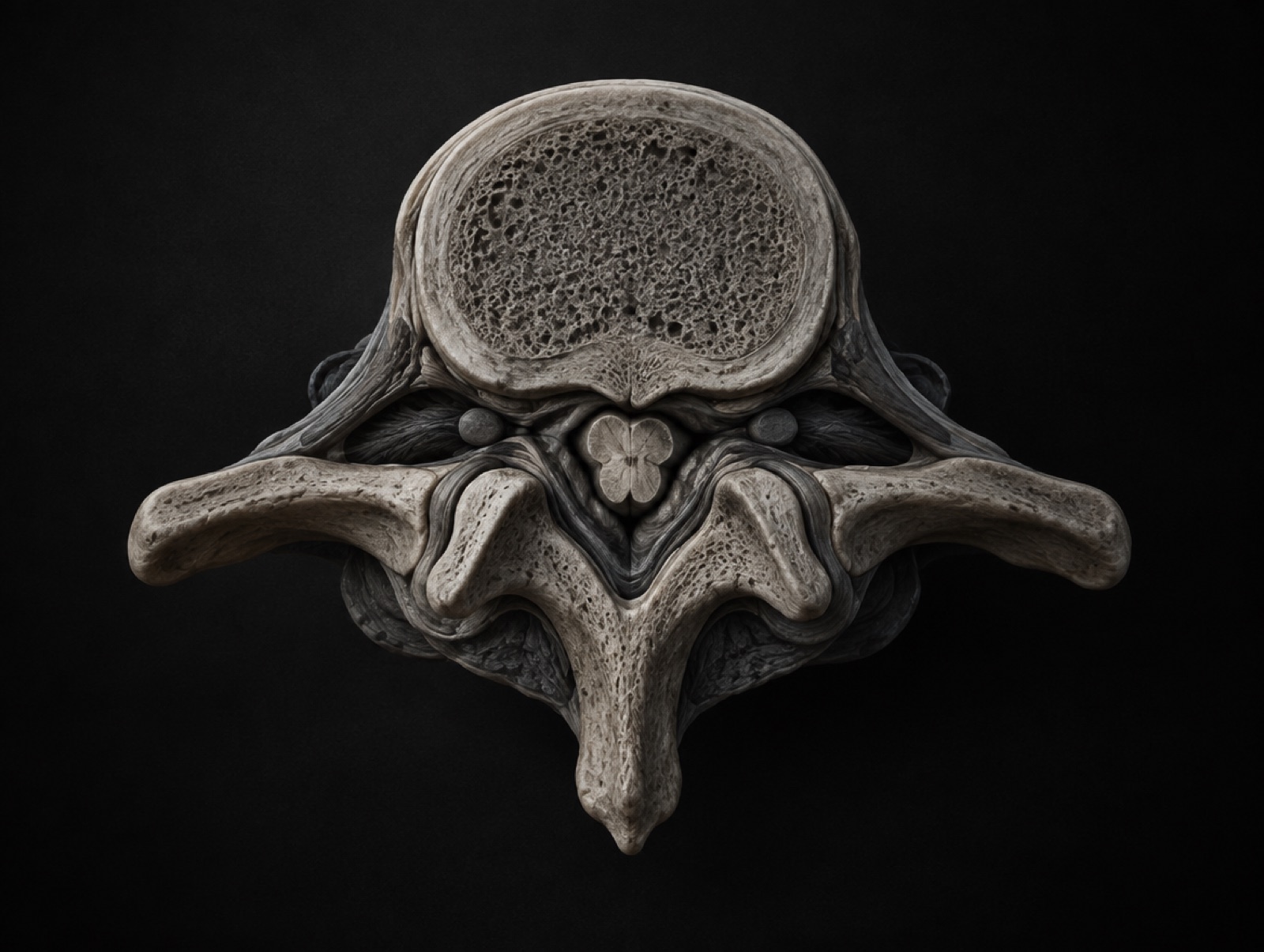 Spinal StenosisSpinal stenosis is narrowing of the space inside the spinal canal, which leaves less room for the spinal cord…Read more →
 Arthritis & Joint PainArthritis is wear and inflammation of the cartilage that cushions a joint, most often the knees, hips, should…Read more →
The procedure
What actually happens, start to finish.
No surprises on the day. This is the whole thing, in order.
- 01
Before you leave the office
You are observed for 20 to 30 minutes after most injections and longer after sedation. Vital signs are rechecked, strength and sensation are tested if a limb was involved, and you get written instructions specific to your procedure along with a pain diary and a follow-up date.
- 02
The first six hours
For diagnostic injections this window is the most important part of the treatment. Record your pain every hour on a scale of zero to ten while the local anesthetic is active. That record determines what we do next, and it cannot be reconstructed from memory a week later.
- 03
The first 24 to 48 hours
Rest, but do not stay in bed. Get up and walk short distances every hour or two. Ice the injection site for 15 minutes at a time. Take your prescribed medications as directed, keep the site clean and dry, and expect some soreness.
- 04
Days three to seven
Steroid effects usually begin in this window. Increase your activity gradually as the pain allows. Avoid heavy lifting and intense exercise. If your pain got worse for the first two days and is now improving, that is the expected pattern.
- 05
Weeks two to six
Start or restart physical therapy. Our office coordinates referrals and sends your procedure notes to your therapist. For ablation and regenerative treatments, this is when relief builds and when strengthening does the most good.
- 06
The follow-up visit
You are seen at two to six weeks depending on the procedure. Bring your pain diary. We compare your scores to before the procedure, adjust medications, update work restrictions and decide whether to repeat, escalate or change direction.
- 07
Ongoing care
Long term, the plan is to keep the gains and reduce how often you need procedures. That means home exercise, weight and sleep management, and honest reporting of your pain levels at each visit rather than telling us what you think we want to hear.
After
Recovery, and the risks worth knowing.
Recovery
- First 24 to 48 hours: rest, ice the site for 15 minutes at a time, take medications as directed, keep the area clean and dry, and watch for unusual symptoms.
- First week: increase activity gradually, avoid heavy lifting and intense exercise, keep your follow-up appointment and report anything concerning.
- Ongoing: follow your physical therapy plan, keep your appointments, and track your pain levels honestly so decisions are based on real information.
- Do not drive on the day of any procedure involving sedation, or when a limb has been numbed.
- If you have diabetes, check your blood sugar more often for three to five days after any steroid injection, since it will run higher than usual.
- Written work restrictions and therapy referrals are available at any visit. Ask before you leave rather than calling for them later.
Risks
Every procedure carries risk. These are the ones worth knowing about, and Dr. Sheikh goes through them with you before you consent to anything.
- Fever above 101 degrees Fahrenheit, which needs a call to the office the same day
- Severe or rapidly worsening pain that is not controlled by your prescribed medication
- Redness, warmth, swelling or drainage at the injection or incision site, which can indicate infection
- New or worsening numbness or weakness in an arm or leg, which needs to be evaluated urgently
- Severe headache that is much worse sitting or standing and improves lying flat, which can follow a spinal fluid leak
- Loss of bladder or bowel control, or difficulty breathing, both of which mean going to the emergency room immediately rather than waiting for a call back
Questions
Recovery Care, answered.
My pain is worse after the injection. Is that normal?
Yes, for the first 24 to 48 hours. The needle causes local irritation and the anesthetic wearing off can feel like a setback. Ice and your prescribed medication usually handle it. If the pain is severe, escalating or comes with fever, call us.
When can I go back to work?
After most injections, the next day for desk work and two to three days for physical work. After a discectomy or implant, one to two weeks for desk work and six to eight weeks for heavy work. We provide written restrictions for your employer.
When should I call the office instead of waiting?
Call for fever over 101, severe or worsening pain, redness or drainage at the site, new numbness or weakness, or a severe headache that is worse when you sit up. For loss of bladder or bowel control or trouble breathing, go to the emergency room.
Can I shower after my procedure?
After a simple injection, yes, the same day, though avoid soaking the site. After an implant or a discectomy with an incision, keep it dry for the first 48 hours to a week depending on your instructions, and avoid baths, pools and hot tubs for three to four weeks.
Why do you want me to keep a pain diary?
Because memory of pain is unreliable, and the decision about your next treatment depends on how your pain behaved in specific hours after the injection. A diary turns a vague impression into information we can act on.
When will I know whether the procedure worked?
It depends on the procedure. Steroid injections should be judged at two weeks, radiofrequency ablation at four to six weeks, and PRP at three months. Judging any of them too early leads to repeating treatments that were actually working.
Who do I reach after hours?
Call the main office number. Urgent concerns are routed to the on-call physician. Do not wait until morning for fever, severe worsening pain or new weakness.
Related
Other procedures.
 15–30 minEpidural Steroid InjectionAn epidural steroid injection puts anti-inflammatory medication into the epidural space, the area just outsid…Read more →
 30–90 minRadiofrequency AblationRadiofrequency ablation uses heat from a radio wave to interrupt the small nerves that carry pain from an art…Read more →
 30–45 minSpinal Cord StimulationSpinal cord stimulation uses mild electrical pulses delivered through thin wires placed near the spinal cord…Read more →
 30–60 minPercutaneous DiscectomyPercutaneous discectomy removes a small amount of material from a bulging or herniated disc through a needle,…Read more →
Ask whether recovery care is right for you.
Three New Jersey offices, most insurance accepted, and a real opening on the calendar.