


Condition
Low Back Pain
Low back pain is pain in the area between the bottom of your ribs and the top of your hips.
- Seen at
- All three offices
- Typical wait
- Within the same week
- Treated with
- 7 procedures
In short
What low back pain actually is.
Low Back Pain
Low back pain is pain in the area between the bottom of your ribs and the top of your hips. Almost all of it comes from one of four places: a disc, a facet joint, the sacroiliac joint, or the muscles and tendons that hold the spine upright. Which one it is decides what actually works, which is why the exam matters more than the label.
Symptoms
How it shows up.
If several of these sound like your week, it is worth having the source looked at properly.
- A deep ache across the belt line that gets worse the longer you stand
- Sharp catching pain when you bend over or get out of a car
- Stiffness in the morning that loosens up after twenty or thirty minutes
- Pain on one side only, right beside the spine or over the back of the hip
- A band of tightness or spasm that grabs you when you twist
- Pain that eases when you sit and returns the moment you stand
- Trouble sleeping because no position feels right for long
What causes it
- Wear in the discs between the vertebrae, which flatten and stiffen with age
- Arthritis in the small facet joints at the back of the spine
- Strain of the muscles and ligaments from lifting, shoveling or a long drive
- The sacroiliac joint where the spine meets the pelvis becoming irritated
- A disc bulge or herniation pressing on nearby tissue
- Old injuries from work, a car accident or years of heavy labor
When to act
Stop waiting when this happens.
Do not sit on these
Any one of the following is a reason to be seen rather than to wait it out.
- Pain has not improved after four to six weeks of rest, heat and over the counter medication
- Pain runs down into your buttock, thigh or below the knee
- You feel new weakness in a leg, or your foot catches when you walk
- You have numbness in the groin area or any change in bladder or bowel control, which needs same day care
- Pain wakes you every night, or you have fever, unexplained weight loss or a history of cancer
Diagnosis
Finding the actual source.
A diagnosis is not a guess from an image. It comes from the exam, the history and, where nerves are involved, electrodiagnostic testing.
- A history that gets specific: what you were doing when it started, what makes it worse, and exactly where you put your hand when you point to it
- A physical exam that separates disc pain from joint pain, including straight leg raise, facet loading and sacroiliac provocation tests
- A neurological exam of strength, sensation and reflexes in both legs to see whether a nerve root is involved
- X-ray or MRI when the exam suggests a structural cause, ordered to answer a question rather than to look around
- EMG and nerve conduction studies when there is weakness, numbness or leg pain, to show whether a nerve is actually being compressed and at which level
- Diagnostic injections that numb one structure at a time, so the relief you get tells us which one was generating the pain
Nerve testing happens here, not elsewhere
EMG and nerve conduction studies are done in the office and read by Dr. Sheikh the same day, rather than sent out and waited on.
Treatment
How low back pain is treated.
Ordered from the most common first step to the options reserved for pain that has not responded.
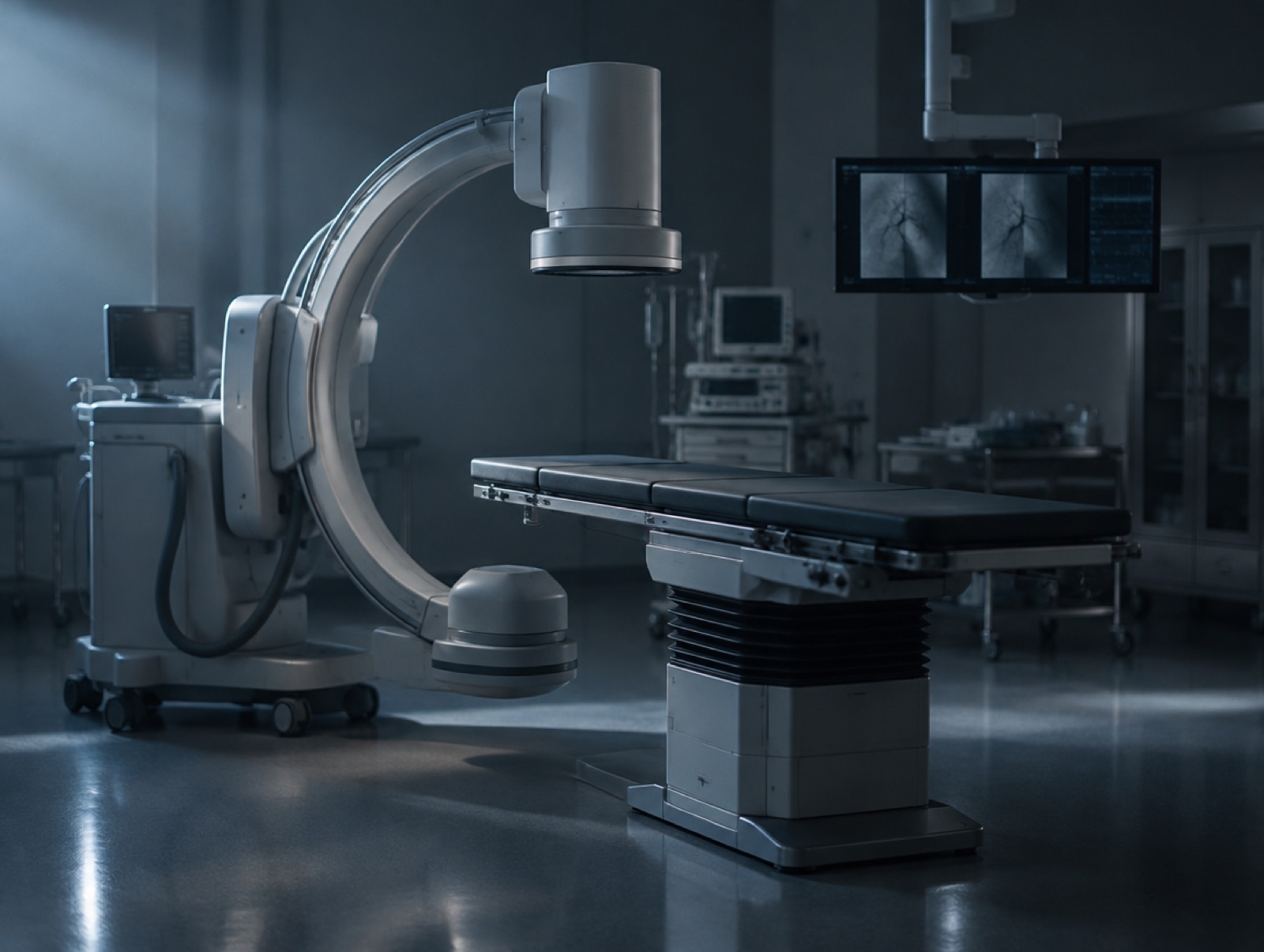 15–30 minEpidural Steroid InjectionAn epidural steroid injection puts anti-inflammatory medication into the epidural space, the area just outsid…Read more →
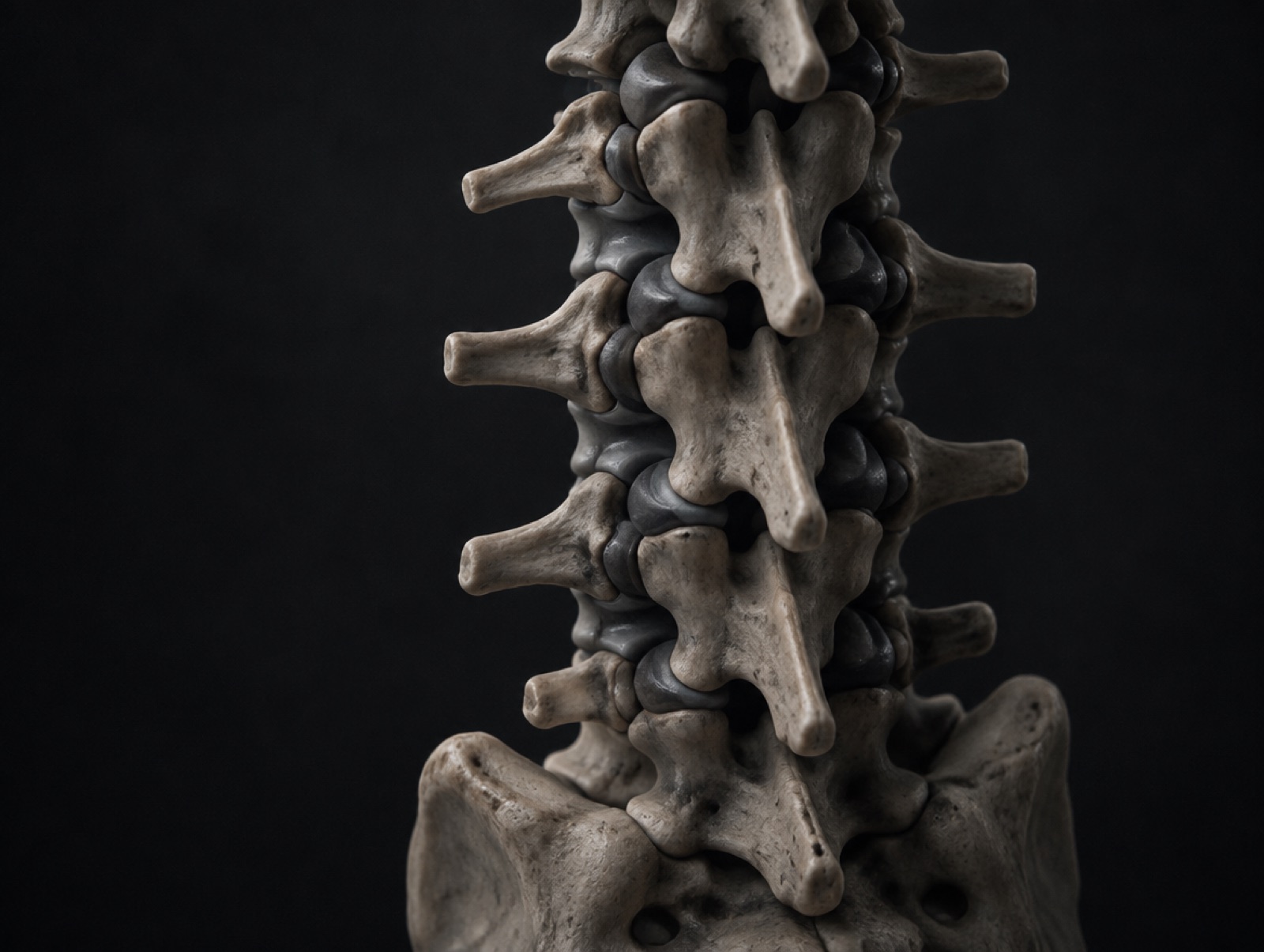 Facet Joint InjectionA facet joint injection treats the small paired joints at the back of the spine that let you bend and twist.Read more →
 30–90 minRadiofrequency AblationRadiofrequency ablation uses heat from a radio wave to interrupt the small nerves that carry pain from an art…Read more →
 Trigger Point InjectionA trigger point injection treats a knot in a muscle, a tight band that will not release and that often refers…Read more →
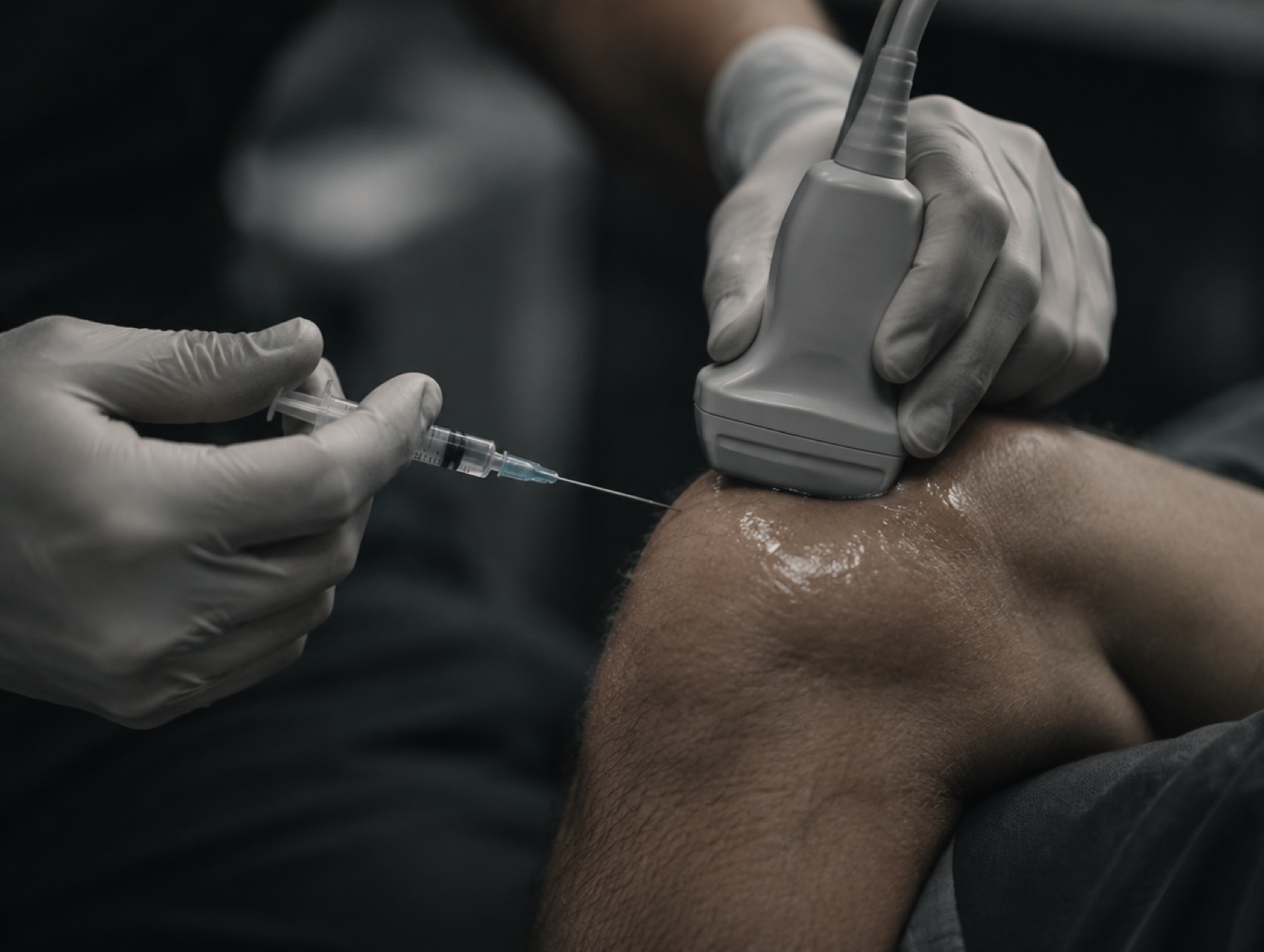 45 minJoint InjectionsA joint injection places medication directly into a painful joint, either a corticosteroid to reduce inflamma…Read more →
 45–60 minPRP TherapyPRP therapy concentrates the platelets from a sample of your own blood and injects them into an injured tendo…Read more →
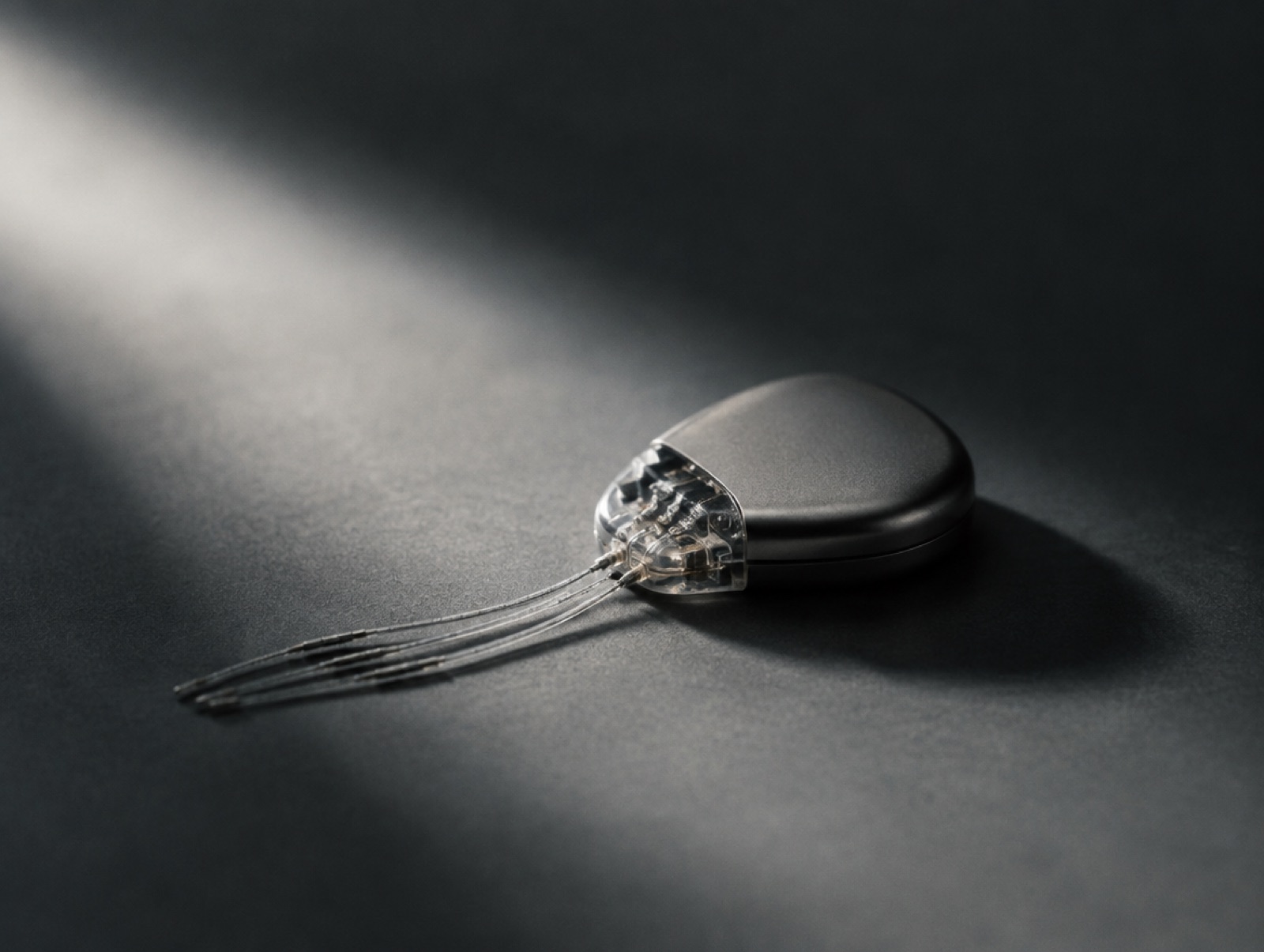 30–45 minSpinal Cord StimulationSpinal cord stimulation uses mild electrical pulses delivered through thin wires placed near the spinal cord…Read more →
Questions
Low Back Pain, answered.
How do I know if my back pain is serious?
The warning signs are weakness in a leg, numbness in the groin or inner thighs, loss of bladder or bowel control, fever, or pain that wakes you every single night. Any of those should be seen right away. Ordinary muscular back pain hurts a great deal but does not come with those signs.
Will my back pain go away on its own?
Most episodes settle within four to six weeks with movement, heat and basic medication. The ones that do not settle in that window usually have a specific structural source that will keep producing pain until it is addressed. Waiting past three months makes the nervous system harder to quiet down.
Do I need an MRI for low back pain?
Not usually at the first visit. MRIs of people with no pain at all routinely show bulging discs and arthritis, so an image on its own does not tell us what hurts. We order imaging when the exam points to something specific or when we are planning a procedure.
Is an epidural steroid injection safe?
It is done under live X-ray guidance with contrast dye so the medication is placed exactly where it belongs, and it takes about fifteen minutes. The common side effects are a few days of soreness at the site and a short rise in blood sugar for diabetics. Serious complications are rare.
How many injections can I have?
Generally up to three or four steroid injections in a twelve month period for the same area. If the first two give you real relief but it keeps wearing off, that is a signal to look at a longer lasting option such as radiofrequency ablation rather than repeating the same injection indefinitely.
Will I end up needing surgery?
The large majority of low back pain never reaches surgery. Surgery is for structural problems causing nerve compression with weakness, or for pain that has failed everything else. A pain specialist is the step between your primary doctor and a surgeon, and often the last step you need.
Can I still work with low back pain?
In most cases yes, and staying active generally speeds recovery compared with bed rest. If your job involves lifting or long driving we can write specific restrictions rather than taking you out entirely. For work related injuries we handle the documentation directly with the carrier.
Does insurance cover this?
Most major carriers cover evaluation, EMG testing and the injection procedures we perform, and we accept workers compensation and auto accident cases. Some procedures need prior authorization, which our office handles before your appointment so you are not surprised at the desk.
Get a real diagnosis for low back pain.
Three New Jersey offices, most insurance accepted, and a real opening on the calendar.