
Treatment
PRP Therapy
PRP therapy concentrates the platelets from a sample of your own blood and injects them into an injured tendon, ligament or joint.
- Visit length
- 45–60 min
- Setting
- In the office
- Performed by
- Dr. Ednan Sheikh
- Offices
- Clifton, Jersey City, Edison
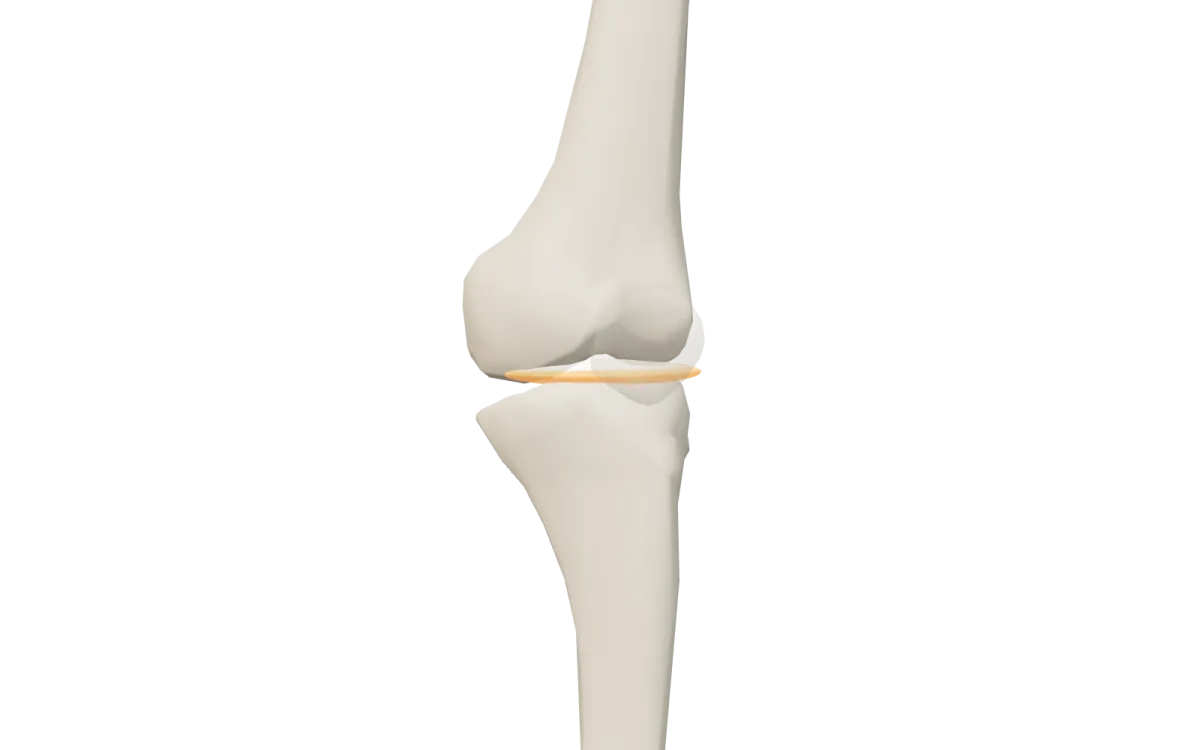
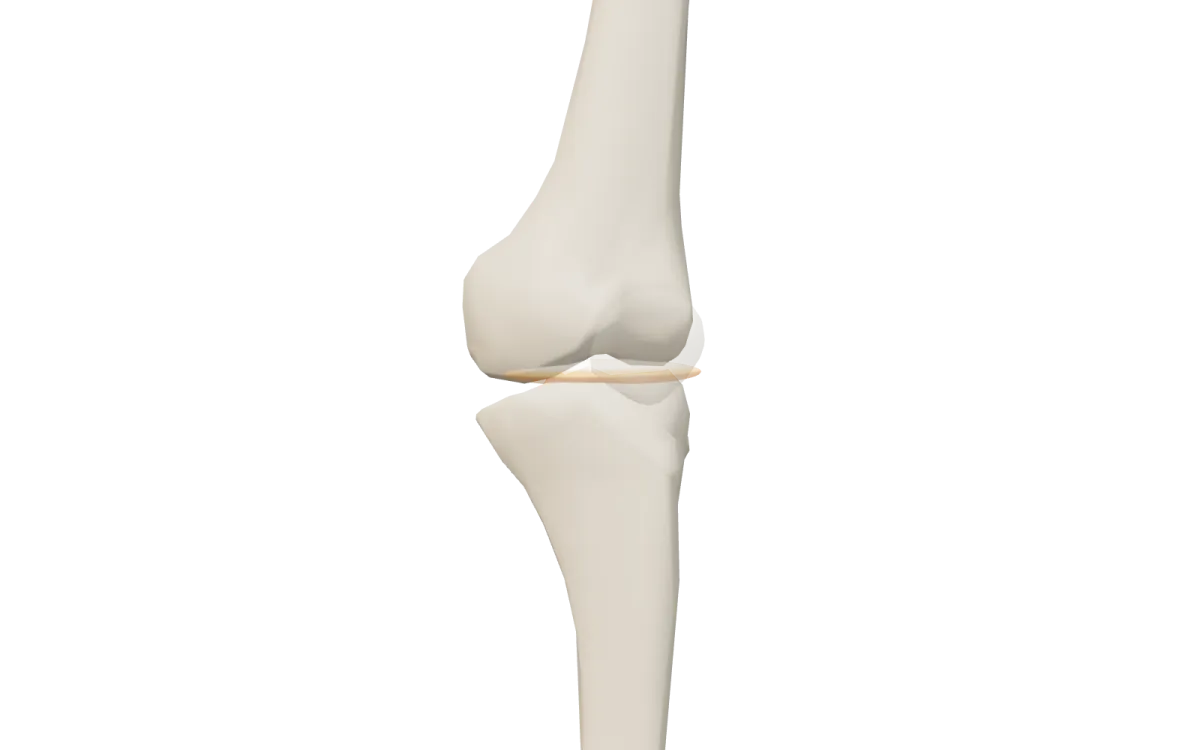 Knee joint space

In short
What prp does.
PRP Therapy
PRP therapy concentrates the platelets from a sample of your own blood and injects them into an injured tendon, ligament or joint. Platelets carry growth factors that signal the body to repair tissue, so the aim is to improve the tissue itself rather than only to mask pain. It is used most often for knee and shoulder arthritis, tennis elbow, Achilles and rotator cuff problems, and chronic tendon injuries that have not healed with rest and therapy.
About 45 to 60 minutes door to door, most of which is the blood draw and the centrifuge cycle.
Who it helps
Is this the right procedure for you?
It is worth asking about if any of these describe where you are now.
- Mild to moderate knee, hip or shoulder osteoarthritis
- Tendon problems that have lasted months, such as tennis elbow, golfer's elbow or Achilles tendinopathy
- Partial rotator cuff tears that are not surgical
- Ligament sprains and muscle injuries from sport that keep recurring
- People who have already tried therapy, bracing and anti-inflammatory medication without enough improvement
- People who cannot take steroids, or who want to avoid or delay joint replacement
Conditions
What it is used for.
 Low Back PainLow back pain is pain in the area between the bottom of your ribs and the top of your hips.Read more →
 Neck PainNeck pain is pain in the cervical spine, the seven vertebrae between your skull and your shoulders.Read more →
 Arthritis & Joint PainArthritis is wear and inflammation of the cartilage that cushions a joint, most often the knees, hips, should…Read more →
 Sports InjuriesSports injuries are damage to muscle, tendon, ligament, cartilage or nerve from either a single traumatic eve…Read more →
The procedure
What actually happens, start to finish.
No surprises on the day. This is the whole thing, in order.
- 01
Assessment and planning
Dr. Sheikh examines the joint or tendon, reviews your MRI or ultrasound and confirms that PRP is a reasonable option. Bone on bone arthritis and full thickness tears respond poorly, and he will tell you that directly rather than sell you a treatment that will not work.
- 02
Stopping anti-inflammatories
You stop ibuprofen, naproxen and similar drugs about a week beforehand, because they blunt exactly the inflammatory signal PRP is meant to create. Acetaminophen is fine. Drink plenty of water the day before, since good hydration makes the blood draw easier.
- 03
Drawing your blood
A nurse draws 30 to 60 milliliters of blood from a vein in your arm, similar to a routine lab draw but a larger volume. This is the only needle stick most people find notable, and it takes a few minutes.
- 04
Spinning the sample
The blood goes into a centrifuge for 10 to 15 minutes. Spinning separates the red cells from the plasma and concentrates the platelets into a small volume, typically three to eight milliliters, several times more concentrated than normal blood.
- 05
Preparing the site
While the sample spins, the target area is cleaned and draped. Local anesthetic goes into the skin. Anesthetic is kept away from the tendon itself where possible, since large amounts can interfere with the platelets.
- 06
The injection
Using ultrasound guidance, the concentrate is injected precisely into the joint space or along the damaged part of the tendon. For tendons, the needle is often passed through the tissue several times to create small controlled injuries that start the healing response. This part causes pressure and aching.
- 07
After the injection
You rest for 15 to 20 minutes. The area is often sore immediately, which is expected and is part of the process. You are given a specific plan for activity, icing and when to restart therapy.
After
Recovery, and the risks worth knowing.
Recovery
- Expect the treated area to ache and feel swollen for two to five days. That reaction is the intended healing response.
- Do not take ibuprofen, naproxen or similar anti-inflammatories for two weeks afterward. Use acetaminophen and ice sparingly for comfort.
- Rest the area for 48 hours, then begin gentle movement. Avoid loading the tendon or joint hard for two weeks.
- Start structured physical therapy at about two weeks. PRP creates the opportunity, loading the tissue correctly is what rebuilds it.
- Improvement is gradual. Most people notice change at four to six weeks and the full effect at three months.
- Many conditions need two or three injections spaced four to six weeks apart for the best result.
Risks
Every procedure carries risk. These are the ones worth knowing about, and Dr. Sheikh goes through them with you before you consent to anything.
- Pain, swelling and stiffness at the injection site for several days, which is common and expected
- Bruising at the blood draw site or the injection site
- Infection, which is rare because the material comes from your own body and sterile technique is used
- No benefit at all, which happens in a meaningful minority of patients, particularly with advanced arthritis
- Temporary increase in pain before improvement, which can last a week
- Out of pocket cost, since most insurance plans still consider PRP investigational and do not cover it
Questions
PRP, answered.
Is PRP covered by insurance?
Usually not. Most plans still classify PRP as investigational, so it is generally a self pay treatment. We quote the full price before you schedule, with no surprise billing afterward.
Does PRP hurt?
The blood draw feels like a routine lab test. The injection causes pressure and aching, and tendon injections are the more uncomfortable of the two because the needle is passed through the tissue on purpose. The soreness afterward is usually the part people remember.
How long does PRP take to work?
This is not an immediate treatment. Most people notice improvement at four to six weeks and reach the full effect around three months, as the tissue actually remodels.
How many injections will I need?
Many conditions respond to one. Knee arthritis and stubborn tendon problems often do better with a series of two or three, spaced four to six weeks apart. Dr. Sheikh decides after seeing how you respond to the first.
Is PRP better than a cortisone shot?
They do different things. Cortisone reduces inflammation quickly and wears off, and repeated use can weaken tendon and cartilage. PRP works more slowly and aims to improve the tissue. For a flare you need settled this week, cortisone is often the better choice.
Why can I not take ibuprofen afterward?
PRP works by triggering a controlled inflammatory healing response. Anti-inflammatory drugs suppress that response, which is the opposite of what you want for the two weeks after the injection.
Can PRP fix bone on bone arthritis?
No. PRP does not regrow cartilage that is gone. It can reduce pain in mild to moderate arthritis. If your X-ray shows no remaining joint space, we will say so and talk about other options instead.
Related
Other procedures.
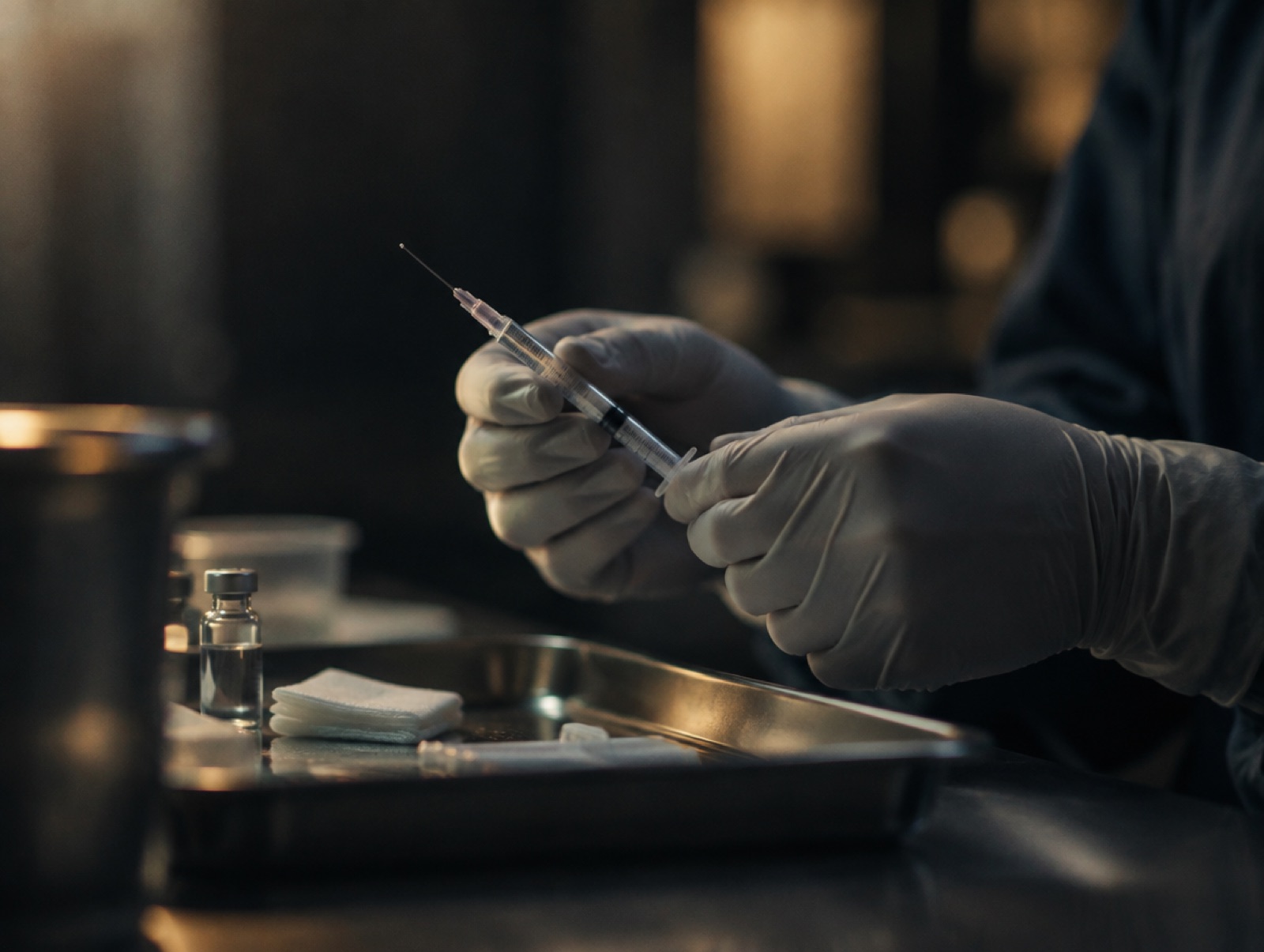 15–45 minNerve BlockA nerve block is an injection of local anesthetic, often with a steroid, placed next to a specific nerve or c…Read more →
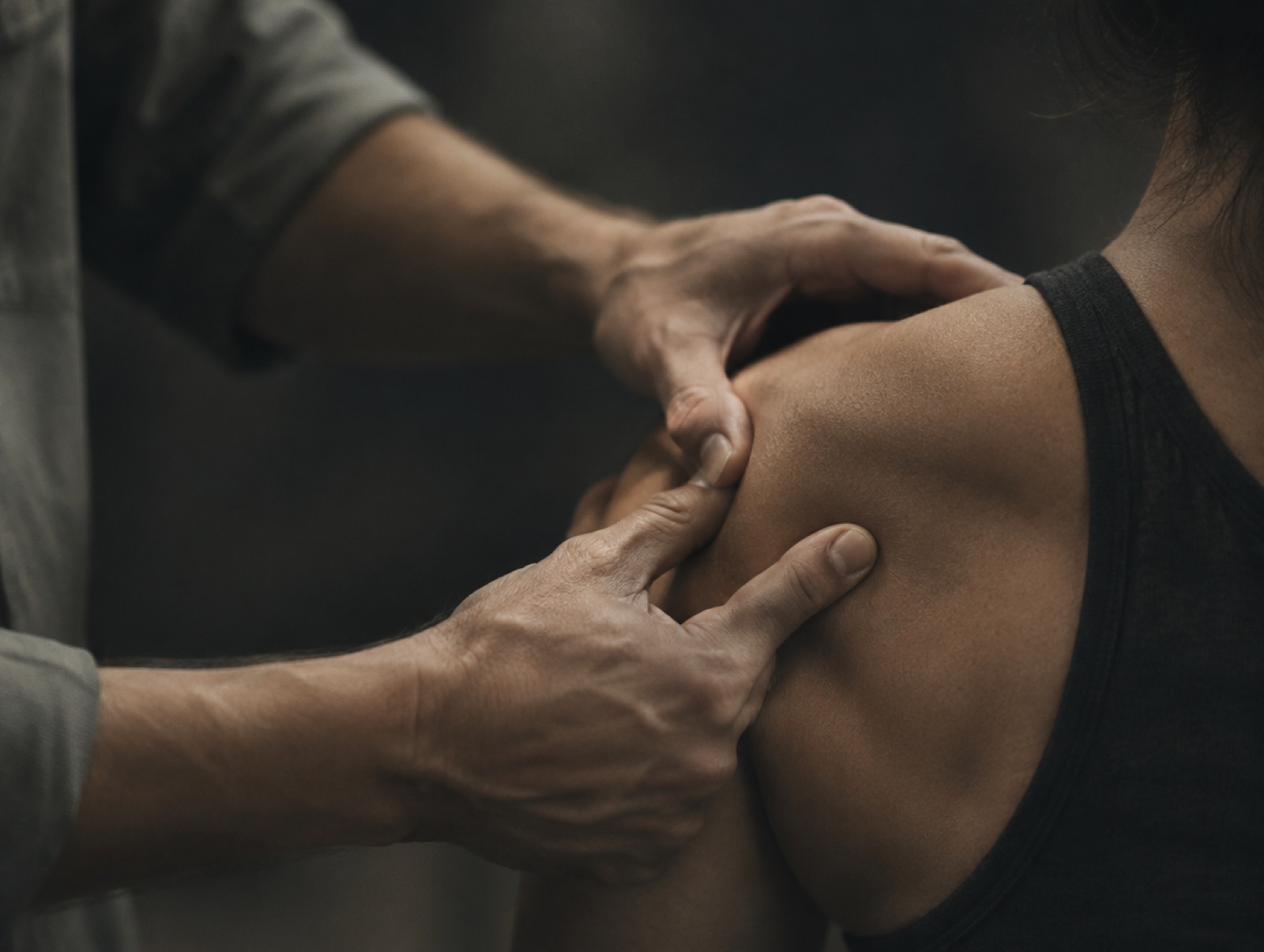 Trigger Point InjectionA trigger point injection treats a knot in a muscle, a tight band that will not release and that often refers…Read more →
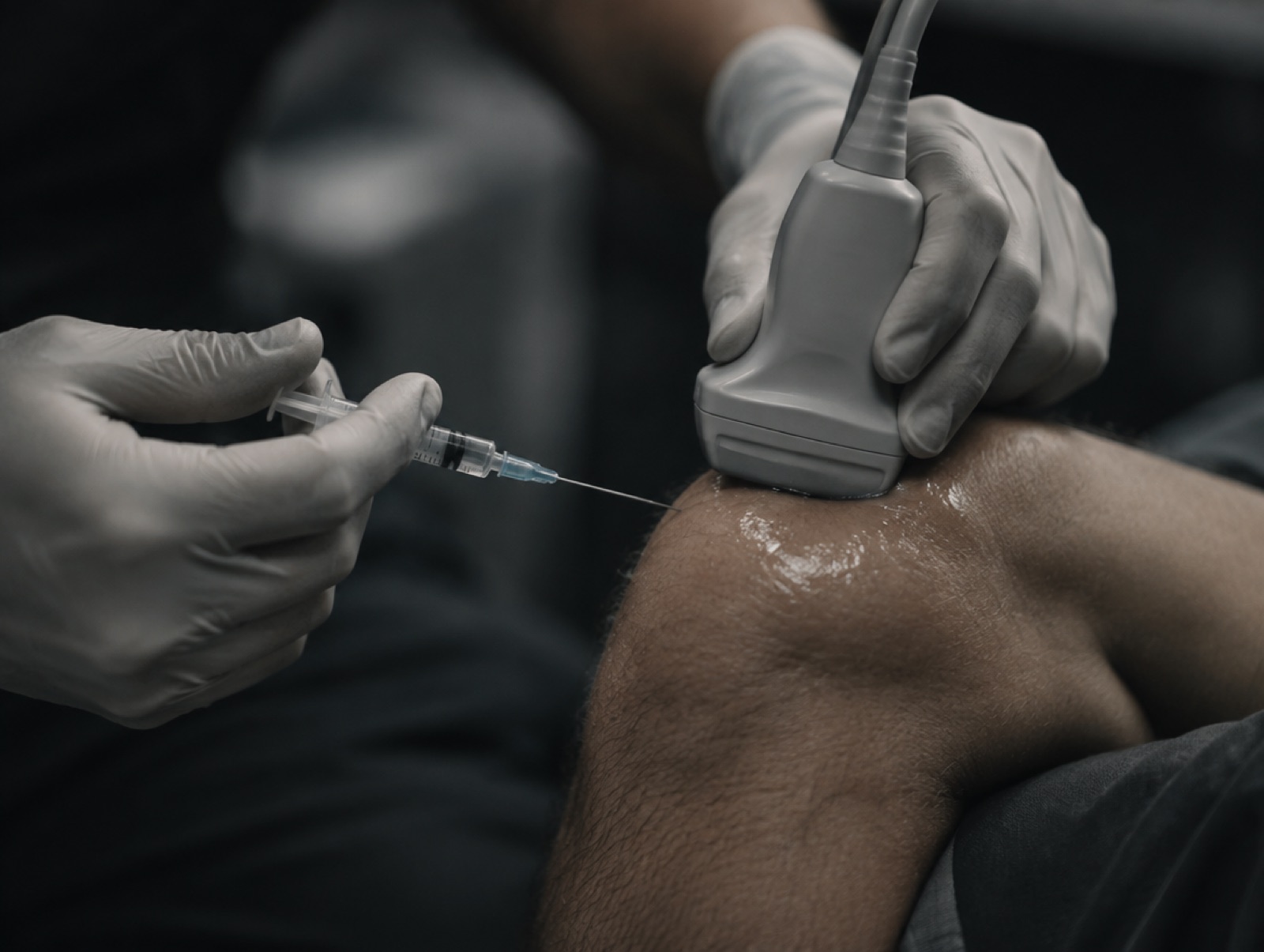 45 minJoint InjectionsA joint injection places medication directly into a painful joint, either a corticosteroid to reduce inflamma…Read more →
 20–30 minPost-Procedure RecoveryPost-procedure recovery is the structured follow-up after an injection, ablation or implant: written instruct…Read more →
Ask whether prp is right for you.
Three New Jersey offices, most insurance accepted, and a real opening on the calendar.