


Condition
Sports Injuries
Sports injuries are damage to muscle, tendon, ligament, cartilage or nerve from either a single traumatic event or repeated overload.
- Seen at
- All three offices
- Typical wait
- Within the same week
- Treated with
- 5 procedures
In short
What sports injuries actually is.
Sports Injuries
Sports injuries are damage to muscle, tendon, ligament, cartilage or nerve from either a single traumatic event or repeated overload. The acute ones announce themselves. The overuse ones, such as tendinopathy and stress reactions, build quietly and are the ones athletes most often try to train through. Getting an accurate diagnosis early is what determines whether you return in weeks or months.
Symptoms
How it shows up.
If several of these sound like your week, it is worth having the source looked at properly.
- Pain that is fine during warmup, disappears mid workout, then hurts badly afterward
- A specific spot you can point to with one finger
- Swelling that comes up within hours of activity
- The joint feels loose, gives way or catches during a cut or a pivot
- You heard or felt a pop at the moment of injury
- Losing strength or speed on one side compared with the other
- Numbness or tingling after impact, which suggests a nerve is involved
What causes it
- A single traumatic event: a tackle, a landing, a fall or a twist on a planted foot
- Training load increased too quickly in volume, intensity or frequency
- Overuse of a tendon without enough recovery, leading to tendinopathy
- Muscle imbalance or weakness that puts load on the wrong structure
- Poor technique or worn equipment and footwear
- Returning from a previous injury before it had fully healed
When to act
Stop waiting when this happens.
Do not sit on these
Any one of the following is a reason to be seen rather than to wait it out.
- You cannot bear weight, or the joint gives way when you try
- Pain has not improved after two weeks of rest, ice and activity modification
- There is visible swelling, bruising or obvious deformity
- You have numbness, tingling or weakness after the injury, which needs nerve testing rather than more rest
- The same injury keeps returning every time you get back to your sport
Diagnosis
Finding the actual source.
A diagnosis is not a guess from an image. It comes from the exam, the history and, where nerves are involved, electrodiagnostic testing.
- A history of the exact mechanism, since the direction of force at the moment of injury predicts which structure failed
- A structured exam with stability and provocative testing specific to the joint, comparing side to side against your uninjured limb
- X-ray first when fracture is possible, followed by MRI or ultrasound when a tendon, ligament or cartilage tear is suspected
- Diagnostic ultrasound in the office to look at tendons while you move, which shows things a static image cannot
- EMG and nerve conduction studies when there is numbness, tingling or weakness, to identify nerve injuries such as a stinger, a compressed peroneal nerve at the knee or an ulnar nerve injury at the elbow
- A diagnostic injection of local anesthetic into one structure, which tells us whether that structure is genuinely the pain generator before committing to a treatment plan
Nerve testing happens here, not elsewhere
EMG and nerve conduction studies are done in the office and read by Dr. Sheikh the same day, rather than sent out and waited on.
Treatment
How sports injuries is treated.
Ordered from the most common first step to the options reserved for pain that has not responded.
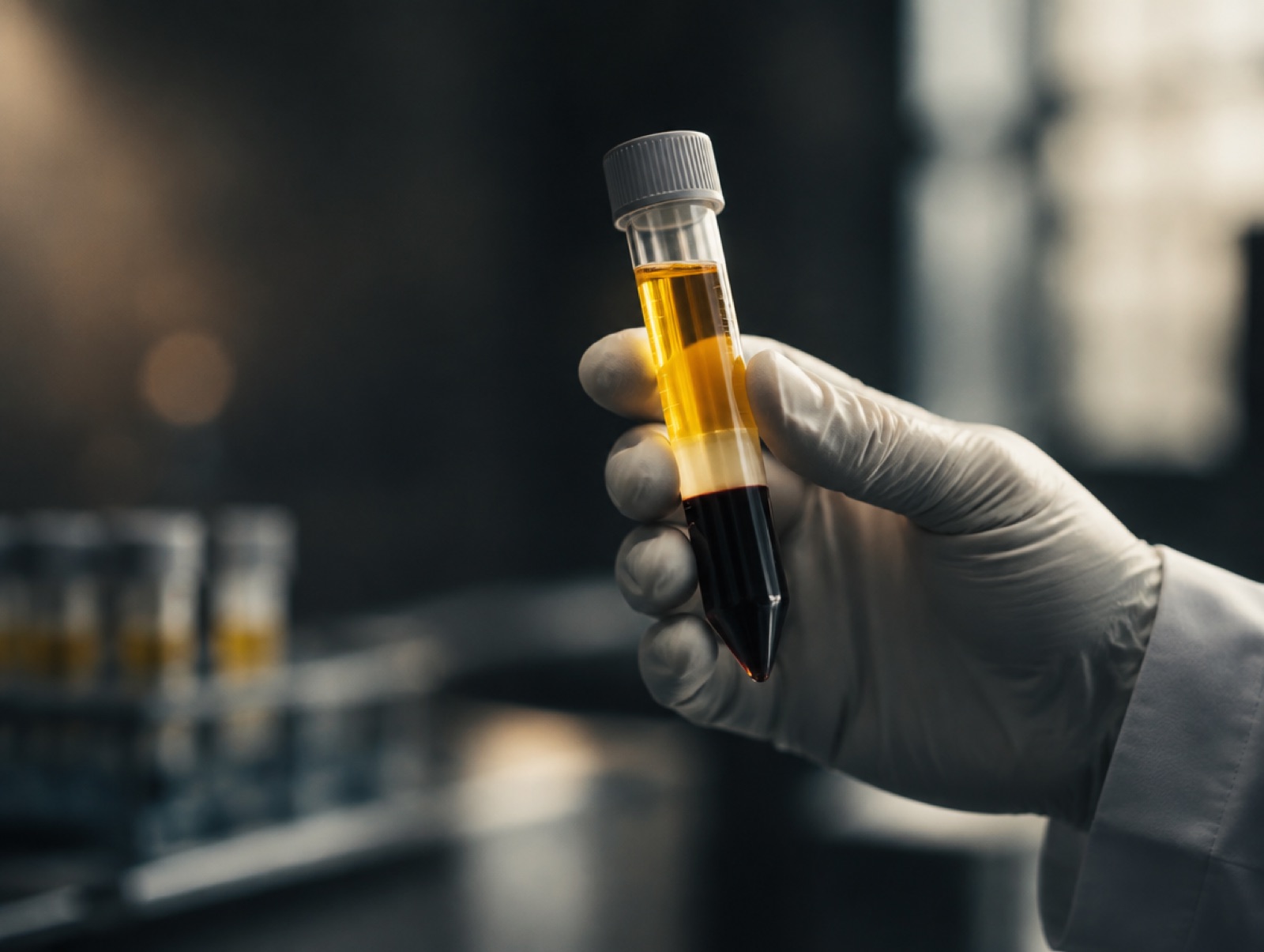 45–60 minPRP TherapyPRP therapy concentrates the platelets from a sample of your own blood and injects them into an injured tendo…Read more →
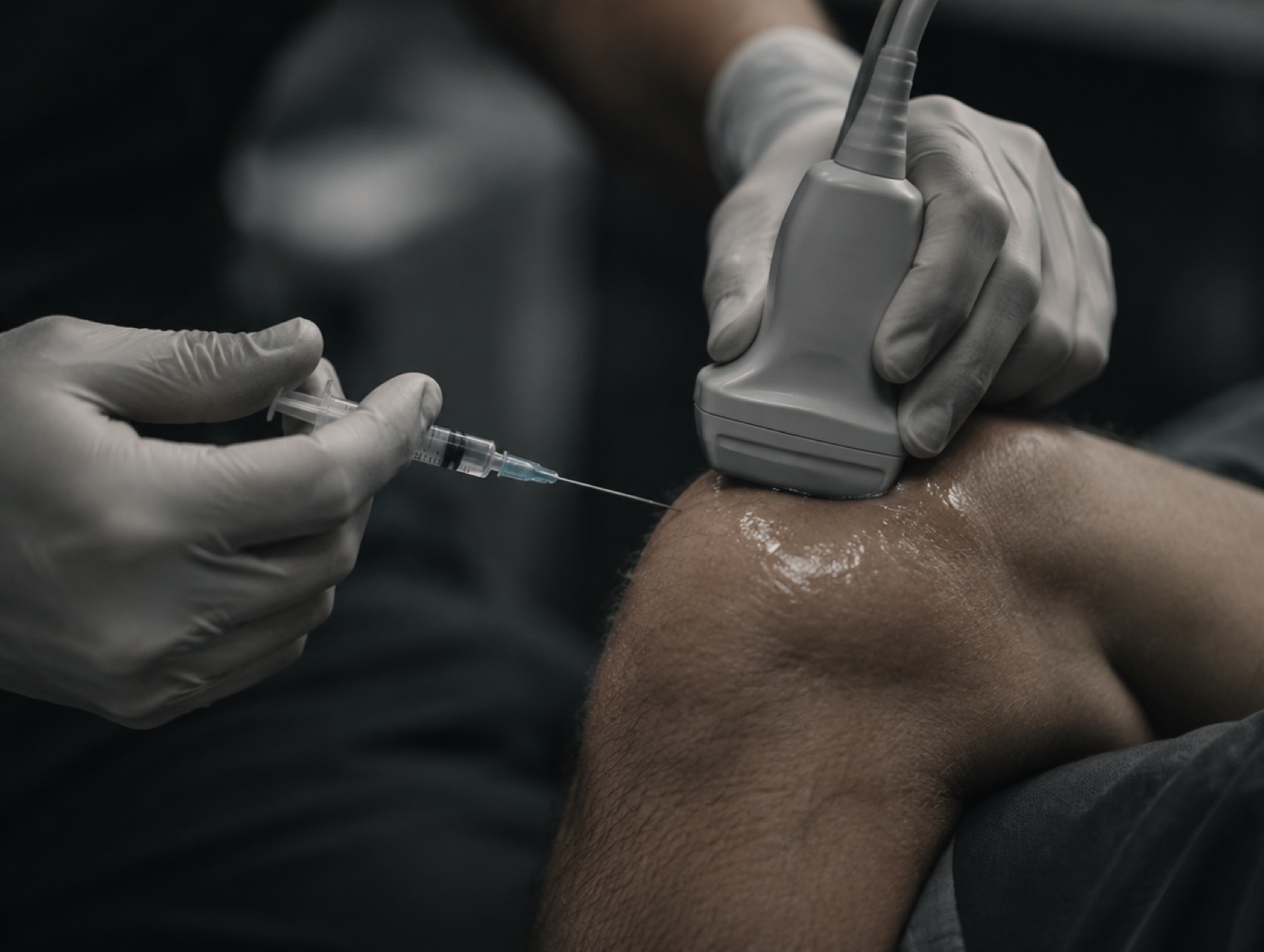 45 minJoint InjectionsA joint injection places medication directly into a painful joint, either a corticosteroid to reduce inflamma…Read more →
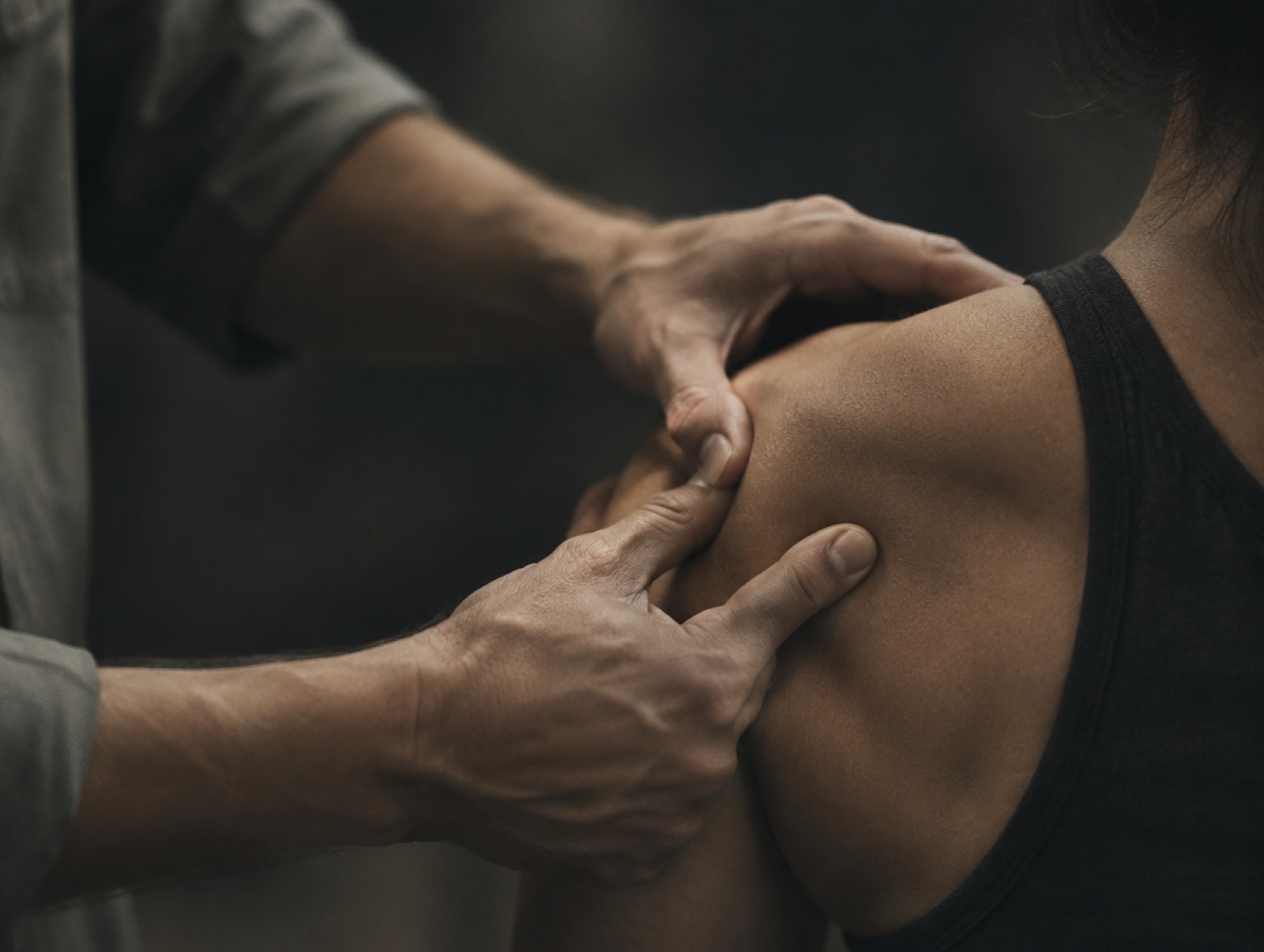 Trigger Point InjectionA trigger point injection treats a knot in a muscle, a tight band that will not release and that often refers…Read more →
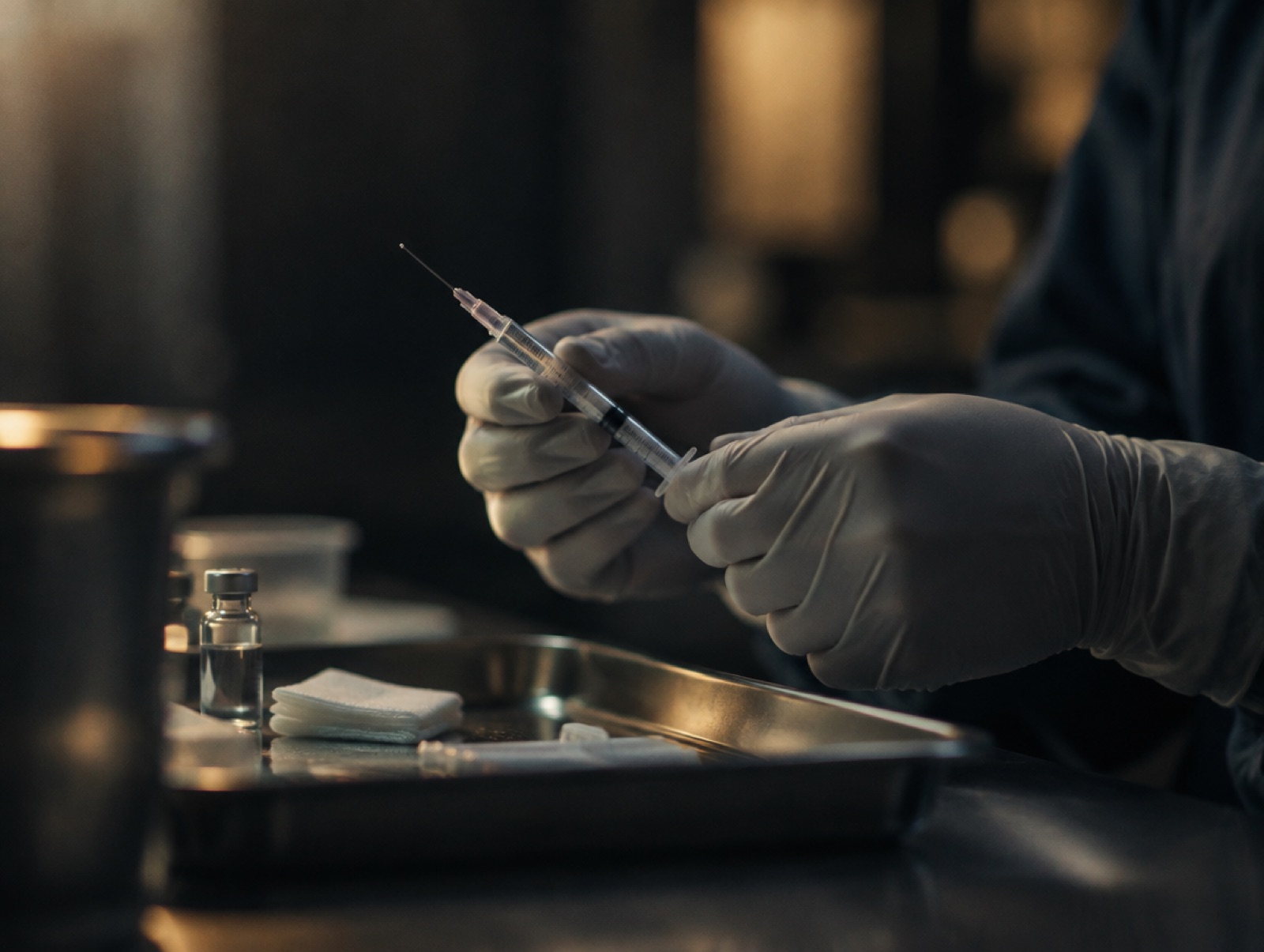 15–45 minNerve BlockA nerve block is an injection of local anesthetic, often with a steroid, placed next to a specific nerve or c…Read more →
 15–30 minEpidural Steroid InjectionAn epidural steroid injection puts anti-inflammatory medication into the epidural space, the area just outsid…Read more →
Questions
Sports Injuries, answered.
How do I know if my injury needs a doctor?
Get it looked at if you cannot bear weight, if the joint gives way, if there is significant swelling or deformity, or if there is numbness or weakness. Also get it looked at if a minor injury has not improved after two weeks. Most delayed returns to sport come from waiting too long on something small.
Should I use ice or heat?
Ice for the first forty eight to seventy two hours after an acute injury to control swelling. Heat afterward, and for chronic muscle tightness, to improve blood flow before activity. For a long standing tendon problem, heat and loading do more than ice, which mainly numbs it.
How soon can I get back to my sport?
It depends on the tissue. Muscle strains run two to six weeks, ligament sprains six to twelve, and tendinopathy often three months or more because tendon remodels slowly. The honest return criteria are full pain free range, strength within ten percent of the other side, and sport specific movement without hesitation.
Is PRP worth it for a tendon injury?
The evidence is strongest for chronic tendon problems that have not responded to several months of proper loading work, such as tennis elbow and patellar tendinopathy. It uses your own platelets to stimulate repair, takes several weeks to work, and is usually not covered by insurance. It is not a shortcut around rehabilitation.
Do I need an MRI for a sports injury?
Not for most of them. A good exam identifies the majority of strains and sprains and they heal on a predictable timeline. MRI earns its place when the exam suggests a tear, when symptoms are not following the expected course, or when we are deciding between a procedure and continued rehabilitation.
Can a nerve injury happen from a sports injury?
Yes, and it is missed more often than it should be. Burners and stingers in contact sports, peroneal nerve injuries with a knee sprain, and ulnar nerve irritation at the elbow all present as weakness or numbness rather than pain. Nerve conduction testing shows whether the nerve is recovering or stalled.
Will a cortisone shot weaken my tendon?
Repeated steroid injections directly into a load bearing tendon can weaken it, which is why we are selective about where and how often we inject. Around a bursa or into a joint the risk profile is different. When a tendon is the problem, PRP and a loading program are usually the better path.
Get a real diagnosis for sports injuries.
Three New Jersey offices, most insurance accepted, and a real opening on the calendar.