
Treatment
Joint Injections
A joint injection places medication directly into a painful joint, either a corticosteroid to reduce inflammation or hyaluronic acid to improve lubrication in an arthritic knee.
- Visit length
- 45 min
- Setting
- In the office
- Performed by
- Dr. Ednan Sheikh
- Offices
- Clifton, Jersey City, Edison
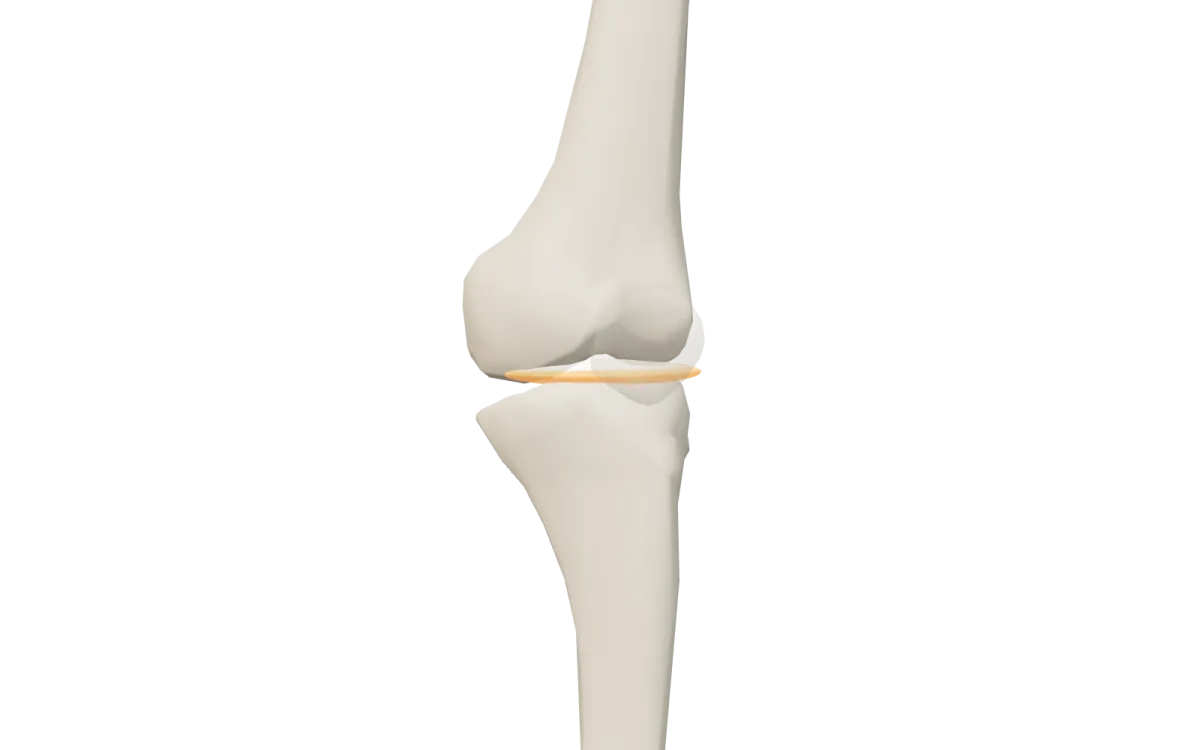
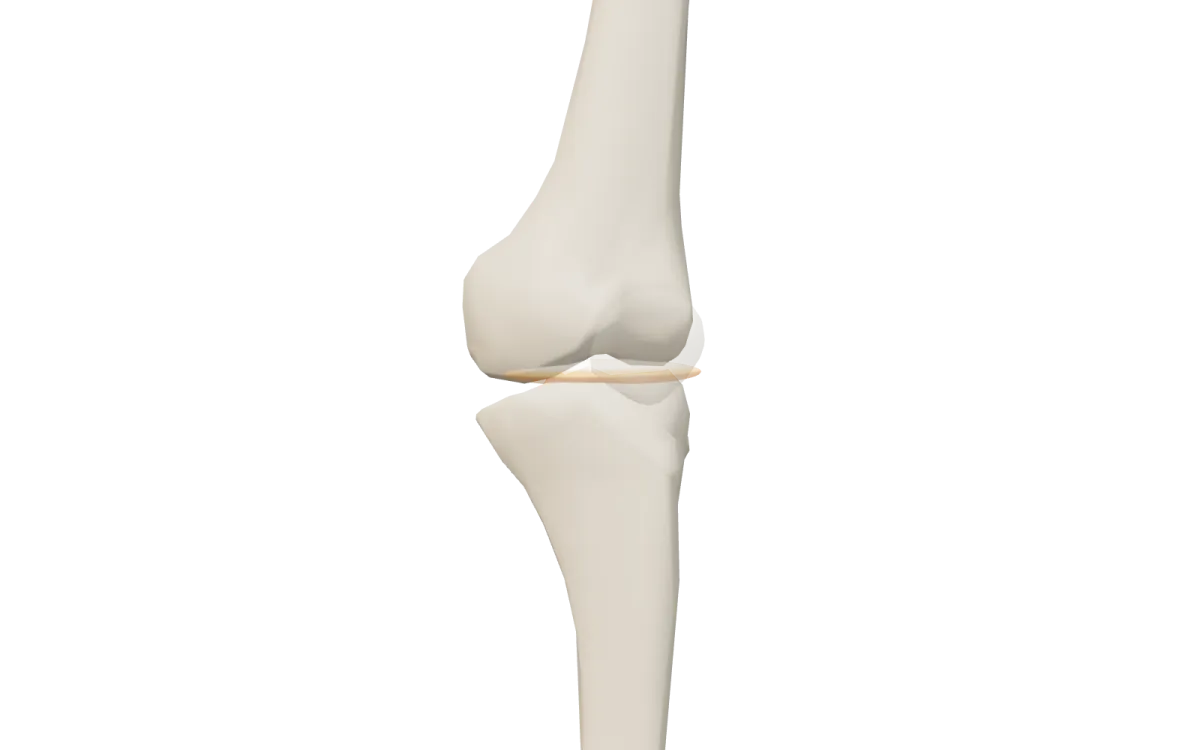 Knee joint space

In short
What joint injections does.
Joint Injections
A joint injection places medication directly into a painful joint, either a corticosteroid to reduce inflammation or hyaluronic acid to improve lubrication in an arthritic knee. Dr. Sheikh treats the knee, hip, shoulder and sacroiliac joint using ultrasound or X-ray guidance so the medication reaches the joint space rather than the tissue around it. The injection also answers a question, because pain that improves afterward confirms the joint is the source.
Fifteen to thirty minutes. Expect to be at the office about 45 minutes.
Who it helps
Is this the right procedure for you?
It is worth asking about if any of these describe where you are now.
- Knee, hip or shoulder osteoarthritis with pain that limits walking, stairs or sleep
- Sacroiliac joint pain felt on one side just below the belt line
- Frozen shoulder and other inflammatory joint conditions
- Joint pain where it is not clear whether the joint or the spine is responsible
- People waiting for joint replacement who need to stay functional in the meantime
- People who cannot tolerate daily anti-inflammatory medication
Conditions
What it is used for.
 Low Back PainLow back pain is pain in the area between the bottom of your ribs and the top of your hips.Read more →
 Neck PainNeck pain is pain in the cervical spine, the seven vertebrae between your skull and your shoulders.Read more →
 Arthritis & Joint PainArthritis is wear and inflammation of the cartilage that cushions a joint, most often the knees, hips, should…Read more →
 Sports InjuriesSports injuries are damage to muscle, tendon, ligament, cartilage or nerve from either a single traumatic eve…Read more →
The procedure
What actually happens, start to finish.
No surprises on the day. This is the whole thing, in order.
- 01
Working out which joint
Dr. Sheikh examines the joint, moves it through its range and reviews your X-ray, MRI or ultrasound. Hip arthritis can feel like back pain and sacroiliac pain can feel like sciatica, so naming the right joint comes before anything else.
- 02
Choosing the medication
Corticosteroid works quickly on inflammation. Hyaluronic acid, known as viscosupplementation, is used mainly for knee arthritis and is given as one injection or a series over several weeks. He explains which one fits your joint and why.
- 03
Check-in and consent
You confirm medications and allergies and sign consent. Tell us if you have an active infection anywhere or uncontrolled diabetes, since both change the plan for a steroid injection.
- 04
Positioning and sterile prep
You are positioned to open the joint space, lying on your back for a knee or hip, seated for a shoulder, face down for a sacroiliac joint. The skin is cleaned with antiseptic and draped.
- 05
Numbing and guidance
Local anesthetic numbs the skin. Ultrasound or live X-ray then guides the needle into the joint. Deep joints such as the hip and the sacroiliac are not reliably reached by feel alone, which is why imaging is used.
- 06
Confirming and injecting
On fluoroscopy a small amount of contrast confirms the needle is inside the joint capsule. On ultrasound the needle tip is seen directly. Fluid may be drained first if the joint is swollen, then the medication is injected.
- 07
Recovery and instructions
A bandage goes on and you rest for 15 to 20 minutes. You are asked to note how your pain behaves over the next four to six hours while the anesthetic is active, since that tells us whether the joint is the true source.
After
Recovery, and the risks worth knowing.
Recovery
- Rest the joint for the remainder of the day. Walking is fine, running, heavy lifting and long stairs are not.
- Pain may increase for 24 to 48 hours before it improves, particularly with hyaluronic acid. Ice for 15 minutes at a time.
- Most people can drive themselves home unless a leg feels weak from the anesthetic.
- Steroid relief usually starts in two to five days. Hyaluronic acid builds over three to five weeks.
- Record how your pain behaves in the first six hours. That window is the diagnostic part of the injection.
- Return to full activity after 48 hours and restart physical therapy once the pain settles.
Risks
Every procedure carries risk. These are the ones worth knowing about, and Dr. Sheikh goes through them with you before you consent to anything.
- Soreness, swelling and stiffness in the joint for one to two days
- A steroid flare, a sharp increase in joint pain in the first 24 to 48 hours, which settles with ice and rest
- A rise in blood sugar for several days after a steroid injection, which matters if you have diabetes
- Joint infection, rare but serious, which is why fever, hot swelling and severe worsening pain need an immediate call
- Cartilage and tendon weakening with repeated steroid injections into the same joint, which is why they are limited to roughly three or four per year
- Thinning or lightening of the skin at the injection site
Questions
Joint Injections, answered.
How long does a joint injection last?
Steroid injections typically give six weeks to three months of relief, sometimes longer. Hyaluronic acid in the knee often lasts six months. The more arthritis there is, the shorter the relief tends to be.
Does a joint injection hurt?
The numbing shot stings briefly. After that you feel pressure as the medication fills the joint. Hip and sacroiliac injections are felt more than knee injections because the needle travels further.
How many joint injections can I have in a year?
Generally three to four steroid injections per joint per year, spaced at least three months apart. Repeated steroid exposure can weaken cartilage, so we do not exceed that without a good reason.
What is viscosupplementation?
It is an injection of hyaluronic acid, a gel like substance that is already present in healthy joint fluid. It is used for knee osteoarthritis to improve lubrication and cushioning, and it works gradually over several weeks rather than immediately.
Why do I need X-ray or ultrasound guidance?
Studies of blind injections show the medication often lands outside the joint, especially in the hip, sacroiliac and shoulder. Guidance means the medication ends up where it can work, and it lets the injection serve as a diagnostic test too.
Will this delay my knee replacement?
It can. Injections do not repair cartilage, but they can control pain enough to keep you active and postpone surgery. If the joint has no remaining space and injections stop helping, we will tell you it is time for an orthopedic opinion.
Is it covered by insurance?
Steroid joint injections are covered by most plans including Medicare. Hyaluronic acid is usually covered for the knee after other treatments have been tried. We verify your benefits before the visit.
Related
Other procedures.
 30–90 minRadiofrequency AblationRadiofrequency ablation uses heat from a radio wave to interrupt the small nerves that carry pain from an art…Read more →
 45–60 minPRP TherapyPRP therapy concentrates the platelets from a sample of your own blood and injects them into an injured tendo…Read more →
 Trigger Point InjectionA trigger point injection treats a knot in a muscle, a tight band that will not release and that often refers…Read more →
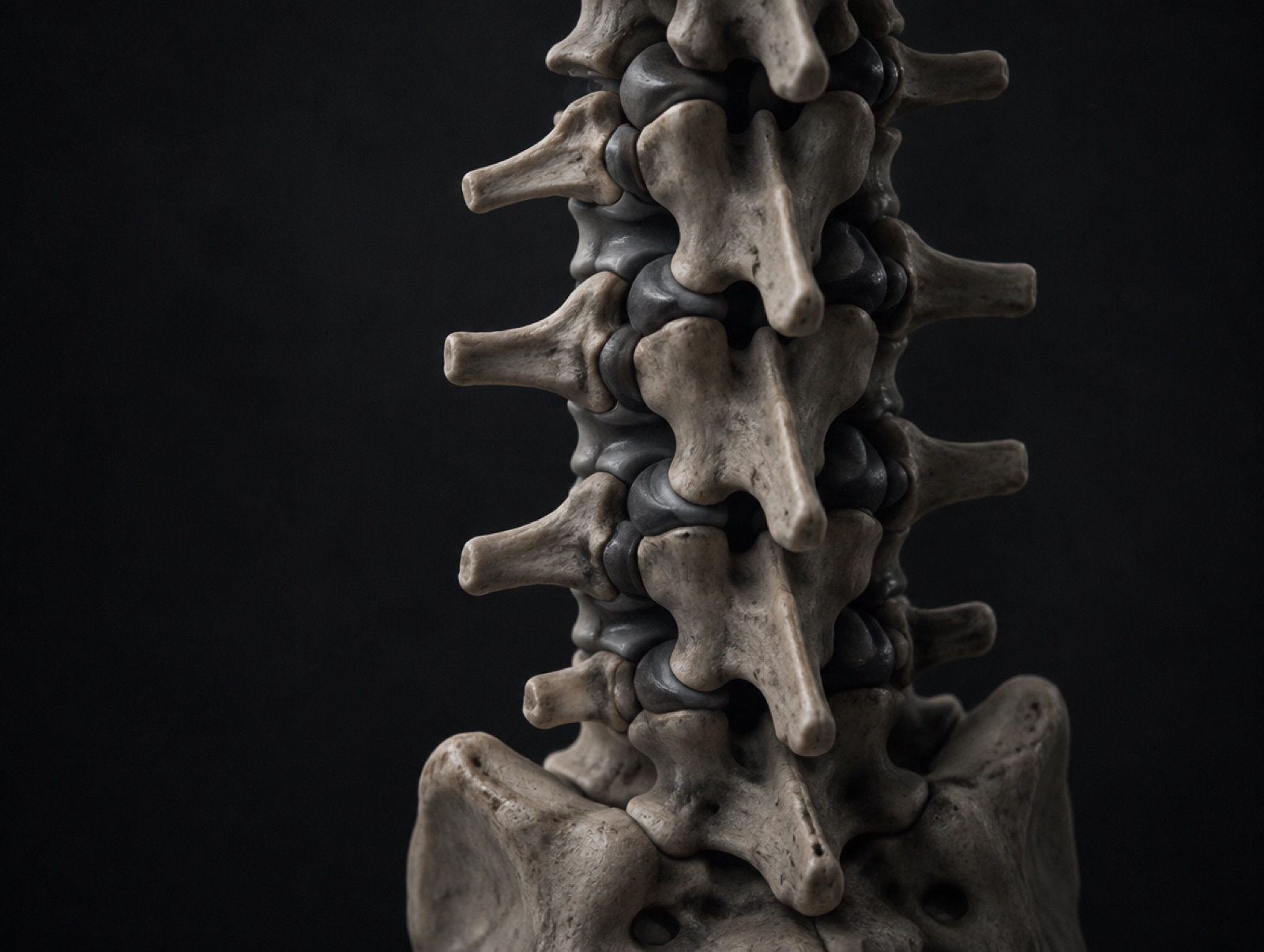 Facet Joint InjectionA facet joint injection treats the small paired joints at the back of the spine that let you bend and twist.Read more →
Ask whether joint injections is right for you.
Three New Jersey offices, most insurance accepted, and a real opening on the calendar.