

Treatment
Facet Joint Injection
A facet joint injection treats the small paired joints at the back of the spine that let you bend and twist.
- Visit length
- Under an hour
- Setting
- In the office
- Treats
- 5 conditions
- Offices
- Clifton, Jersey City, Edison
In short
What facet injection does.
Facet Joint Injection
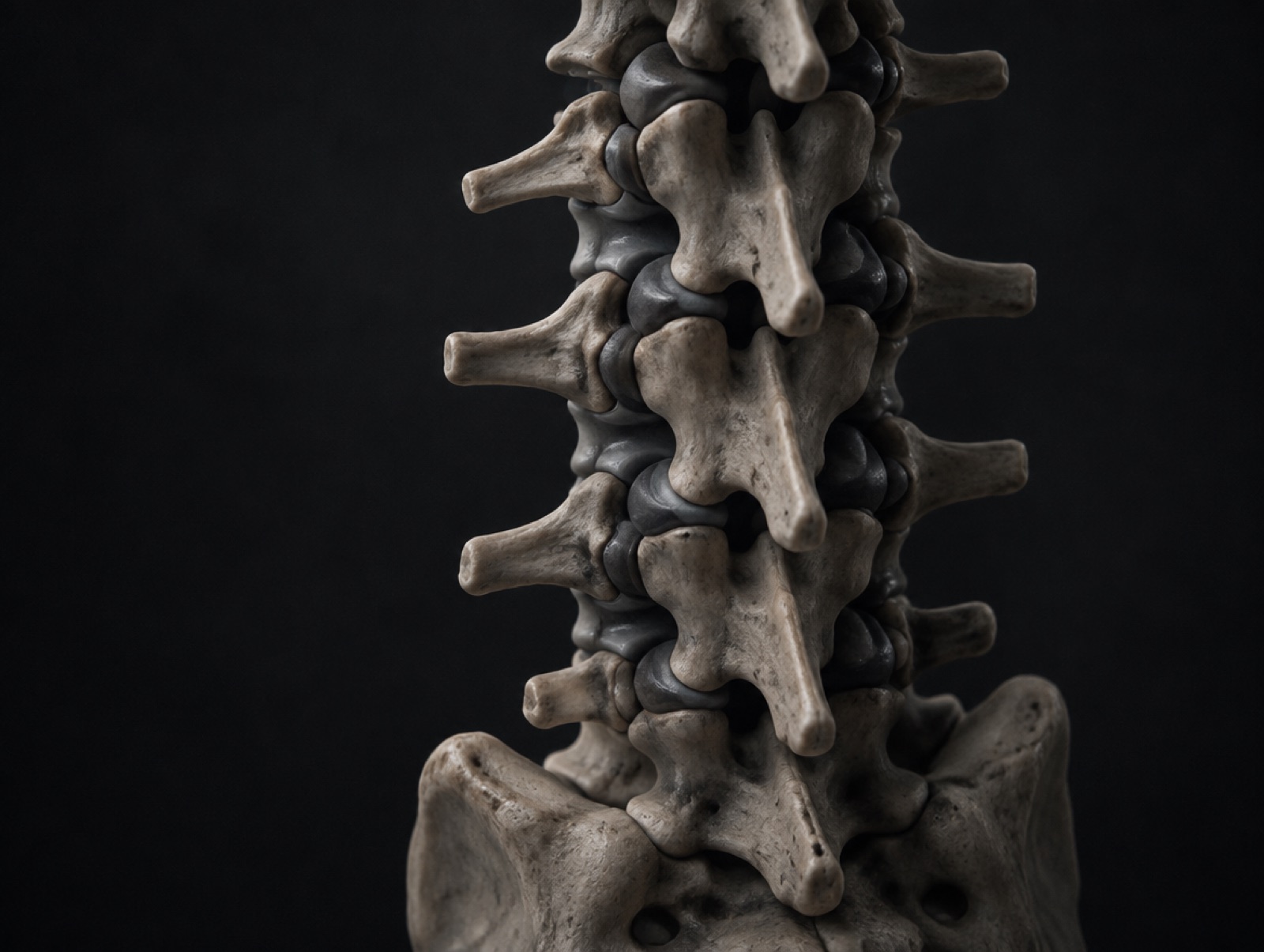
A facet joint injection treats the small paired joints at the back of the spine that let you bend and twist. When those joints become arthritic they cause neck or low back pain that is worse with leaning backward, standing and turning, and better when you sit or lean forward. Steroid and anesthetic are injected into or beside the joint under live X-ray, both to relieve the pain and to confirm the joint is the source before considering radiofrequency ablation.
Fifteen to thirty minutes depending on how many levels are treated. Plan on an hour in the office.
Who it helps
Is this the right procedure for you?
It is worth asking about if any of these describe where you are now.
- Low back pain that is worse standing and bending backward, better sitting or leaning forward
- Neck pain and stiffness that is worse turning the head, sometimes with headache at the base of the skull
- Morning stiffness in the spine that eases after moving around
- Pain that stays near the spine and does not travel far down a leg or arm
- Facet arthritis seen on CT or MRI that matches your exam
- People being considered for radiofrequency ablation who need the diagnosis confirmed first
Conditions
What it is used for.
 Low Back PainLow back pain is pain in the area between the bottom of your ribs and the top of your hips.Read more →
 Neck PainNeck pain is pain in the cervical spine, the seven vertebrae between your skull and your shoulders.Read more →
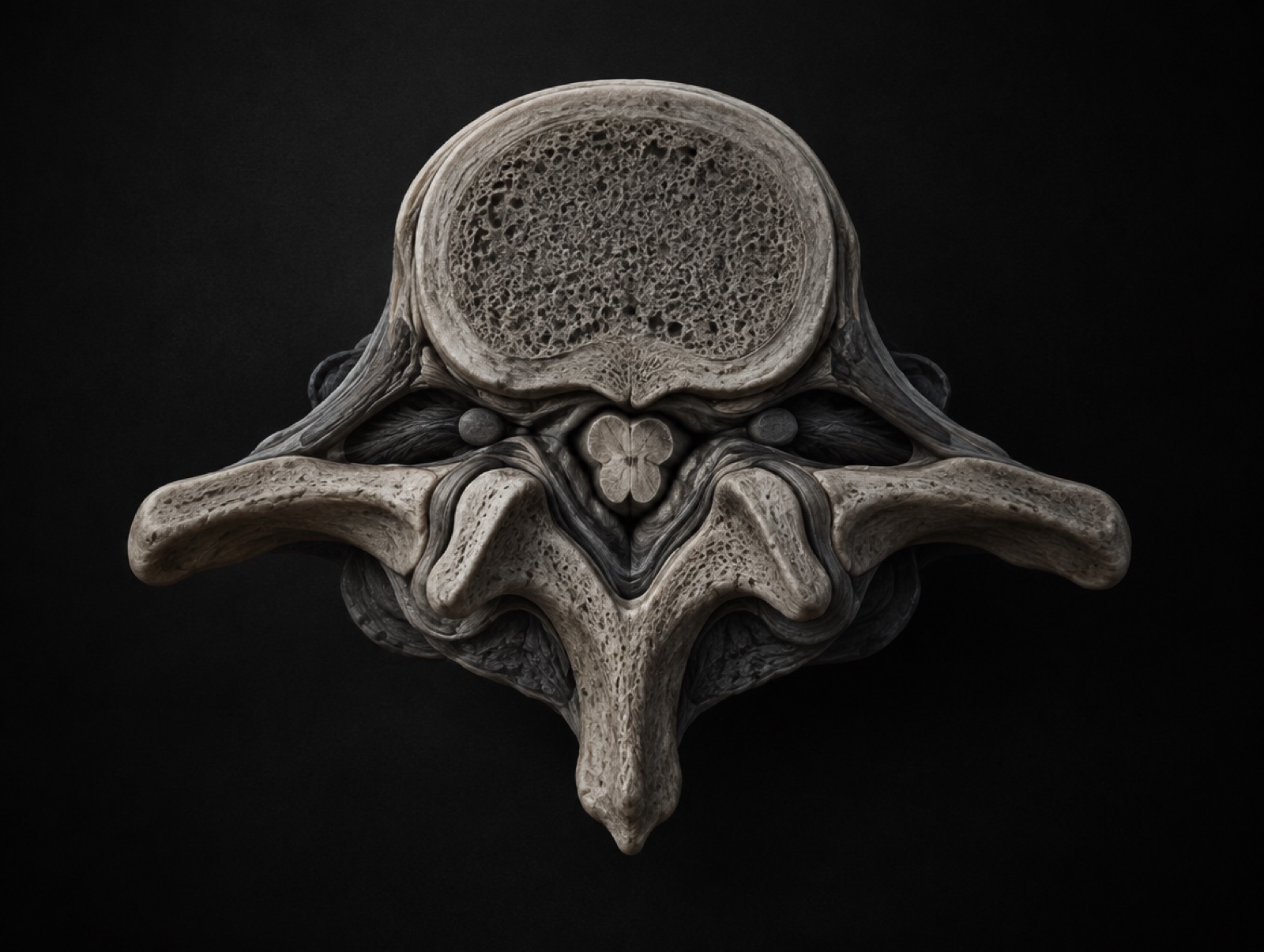 Spinal StenosisSpinal stenosis is narrowing of the space inside the spinal canal, which leaves less room for the spinal cord…Read more →
 Arthritis & Joint PainArthritis is wear and inflammation of the cartilage that cushions a joint, most often the knees, hips, should…Read more →
 Headaches & MigrainesMost recurring headaches fall into a few categories: migraine, tension type, cervicogenic headaches that orig…Read more →
The procedure
What actually happens, start to finish.
No surprises on the day. This is the whole thing, in order.
- 01
Identifying the level
Dr. Sheikh presses along the spine, tests extension and rotation and compares your pattern with the imaging. Facet pain has a recognizable signature, and matching it to a level or two is what makes the injection useful.
- 02
Check-in and preparation
You confirm medications, stop blood thinners if instructed, sign consent and change into a gown. Vital signs are checked and an IV is placed only if you have chosen light sedation.
- 03
Positioning
You lie face down on the fluoroscopy table with a pillow under your abdomen for a lumbar injection, or with the head supported and turned for a cervical one. The table is angled until the target joint lines up clearly on X-ray.
- 04
Sterile prep and numbing
The skin is cleaned with antiseptic and draped. Local anesthetic is injected into the skin and the muscle along the needle path. This is the sharpest part of the procedure and it lasts a few seconds.
- 05
Placing the needle
Under live X-ray a thin needle is advanced to the joint capsule, or to the medial branch nerve just outside it if a nerve block is what has been planned. Images are taken in two views to confirm the tip is exactly where it should be.
- 06
Contrast and injection
Contrast dye outlines the joint on screen and confirms the needle is inside it and not in a blood vessel. A small volume of steroid and anesthetic is injected, since the facet joint holds only about one to two milliliters.
- 07
Repeating at each level
Facet joints are paired, and pain often comes from two or three levels. The same sequence is repeated at each target. A typical session treats two to four joints.
- 08
Recovery and the pain diary
After 20 to 30 minutes in recovery you go home with a pain diary. You record your pain hourly for the first six hours. If the pain drops sharply while the anesthetic is working, the facet joints are confirmed as the source and ablation becomes a reasonable next step.
After
Recovery, and the risks worth knowing.
Recovery
- Arrange a driver if you had sedation. Without sedation most people can drive themselves.
- Fill in the pain diary for six hours. This is the part of the procedure that determines your next treatment.
- Expect soreness at the injection sites for one to three days. Ice for the first 24 hours.
- Take it easy for the rest of the day, then resume normal activity. No heavy lifting for 48 hours.
- Steroid relief builds over three to seven days and usually lasts weeks to a few months.
- If two facet injections give clear but short relief, the longer answer is usually radiofrequency ablation rather than a third injection.
Risks
Every procedure carries risk. These are the ones worth knowing about, and Dr. Sheikh goes through them with you before you consent to anything.
- Soreness and bruising at the injection sites
- A temporary pain flare in the first 24 to 48 hours
- Higher blood sugar for several days from the steroid, which matters in diabetes
- Infection or bleeding, both rare with sterile technique and blood thinner screening
- Temporary numbness or weakness in a leg or arm from anesthetic spread, lasting a few hours
- Short lived relief only, which is common and is the reason facet injections are often a step toward ablation rather than a destination
Questions
Facet Injection, answered.
What is a facet joint?
Facet joints are the small paired joints at the back of each level of the spine, about the size of a thumbnail. They guide movement and keep the vertebrae aligned. Like knees and hips, they develop arthritis with age and injury.
How do I know my pain is coming from the facet joints?
The pattern is suggestive: pain near the midline of the spine, worse with leaning back, standing and twisting, better with sitting or leaning forward, and not shooting far down a limb. The injection is what confirms it.
Does a facet joint injection hurt?
You feel the numbing injection sting and then pressure as the needle reaches the joint. The joint is small, so you may feel a brief deep ache as it fills. Most people rate it as mild to moderate and short.
How long does a facet injection last?
Relief ranges from a few weeks to a few months. Some people get very little duration even though the injection clearly worked at first. That short response still confirms the diagnosis and points toward ablation.
What is the difference between a facet injection and a medial branch block?
A facet injection puts medication inside the joint. A medial branch block numbs the tiny nerves that carry sensation from that joint. The block is the standard test before radiofrequency ablation, because it targets exactly the nerves the ablation would treat.
Will I be asleep?
No. You stay awake so you can report what you feel and fill in the pain diary accurately. Light sedation is available, though it can blur the diagnostic information the injection is meant to give.
Related
Other procedures.
 15–30 minEpidural Steroid InjectionAn epidural steroid injection puts anti-inflammatory medication into the epidural space, the area just outsid…Read more →
 15–45 minNerve BlockA nerve block is an injection of local anesthetic, often with a steroid, placed next to a specific nerve or c…Read more →
 30–90 minRadiofrequency AblationRadiofrequency ablation uses heat from a radio wave to interrupt the small nerves that carry pain from an art…Read more →
 45 minJoint InjectionsA joint injection places medication directly into a painful joint, either a corticosteroid to reduce inflamma…Read more →
Ask whether facet injection is right for you.
Three New Jersey offices, most insurance accepted, and a real opening on the calendar.