

Condition
Spinal Stenosis
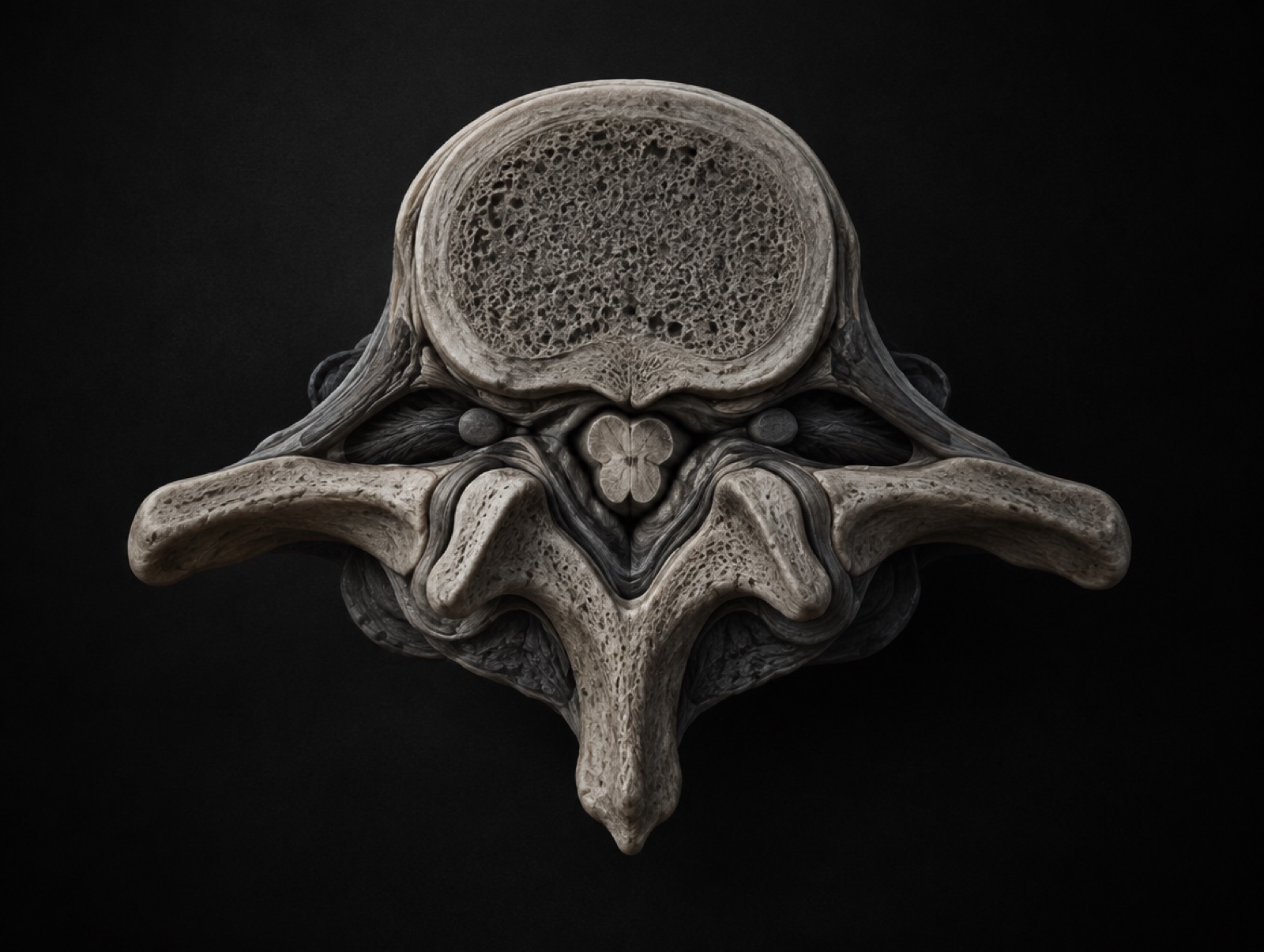
Spinal stenosis is narrowing of the space inside the spinal canal, which leaves less room for the spinal cord and the nerve roots.
- Seen at
- All three offices
- Typical wait
- Within the same week
- Treated with
- 6 procedures
In short
What spinal stenosis actually is.
Spinal Stenosis
Spinal stenosis is narrowing of the space inside the spinal canal, which leaves less room for the spinal cord and the nerve roots. It develops slowly as discs flatten, ligaments thicken and arthritic bone builds up. The hallmark is leg pain and heaviness that comes on with walking and standing and goes away within a minute or two of sitting down or leaning forward.
Symptoms
How it shows up.
If several of these sound like your week, it is worth having the source looked at properly.
- Legs get heavy, achy or crampy after walking a block or two and improve when you sit
- Leaning on a shopping cart lets you go much farther than walking upright
- Numbness or tingling in both legs rather than one
- Standing still at a counter or a stove becomes uncomfortable faster than walking
- Low back stiffness that is worst first thing in the morning
- A sense of unsteadiness or wide based walking
- In the neck, clumsy hands, trouble with buttons, or a change in balance
What causes it
- Arthritis of the facet joints, which enlarges them and crowds the canal
- Thickening of the ligamentum flavum, the ligament lining the back of the canal
- Disc height loss and bulging that reduces the space available to the nerve roots
- Spondylolisthesis, where one vertebra slips forward and pinches the canal
- Bone spurs formed over decades of wear
- A canal that was naturally narrow from birth, which makes ordinary aging symptomatic earlier
When to act
Stop waiting when this happens.
Do not sit on these
Any one of the following is a reason to be seen rather than to wait it out.
- The distance you can walk before your legs force you to stop keeps getting shorter
- You are avoiding errands, travel or exercise because of leg symptoms
- New weakness in a leg, foot drop, or frequent tripping
- Any change in bladder or bowel control, or numbness in the saddle area, which needs urgent evaluation
- In cervical stenosis, worsening hand clumsiness or balance problems, which should be seen promptly
Diagnosis
Finding the actual source.
A diagnosis is not a guess from an image. It comes from the exam, the history and, where nerves are involved, electrodiagnostic testing.
- A history focused on walking tolerance and what relieves it, since relief on forward bending strongly points to stenosis rather than a hip or a vascular problem
- An exam checking pulses, hip range of motion and gait to rule out vascular claudication and hip arthritis, both of which imitate stenosis
- Strength, sensation and reflex testing in both legs to see which levels are affected
- EMG and nerve conduction studies to distinguish stenosis from peripheral neuropathy, which also causes numb, heavy legs, and to document which nerve roots are actually irritated
- MRI or CT myelogram to measure the narrowing and identify the specific levels
- Diagnostic epidural or selective nerve root injections that confirm the symptomatic level when imaging shows narrowing at several
Nerve testing happens here, not elsewhere
EMG and nerve conduction studies are done in the office and read by Dr. Sheikh the same day, rather than sent out and waited on.
Treatment
How spinal stenosis is treated.
Ordered from the most common first step to the options reserved for pain that has not responded.
 15–30 minEpidural Steroid InjectionAn epidural steroid injection puts anti-inflammatory medication into the epidural space, the area just outsid…Read more →
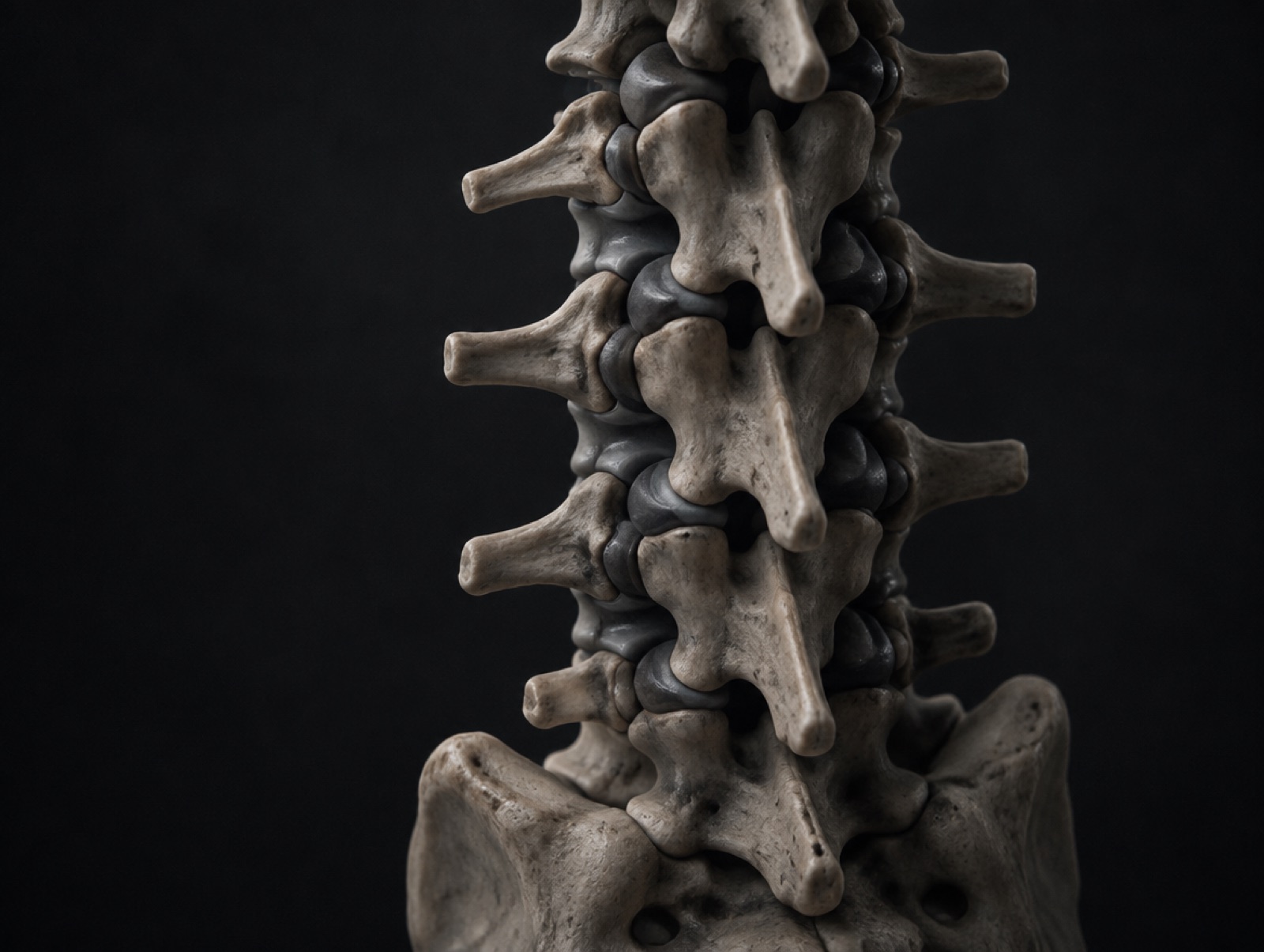 Facet Joint InjectionA facet joint injection treats the small paired joints at the back of the spine that let you bend and twist.Read more →
 30–90 minRadiofrequency AblationRadiofrequency ablation uses heat from a radio wave to interrupt the small nerves that carry pain from an art…Read more →
 15–45 minNerve BlockA nerve block is an injection of local anesthetic, often with a steroid, placed next to a specific nerve or c…Read more →
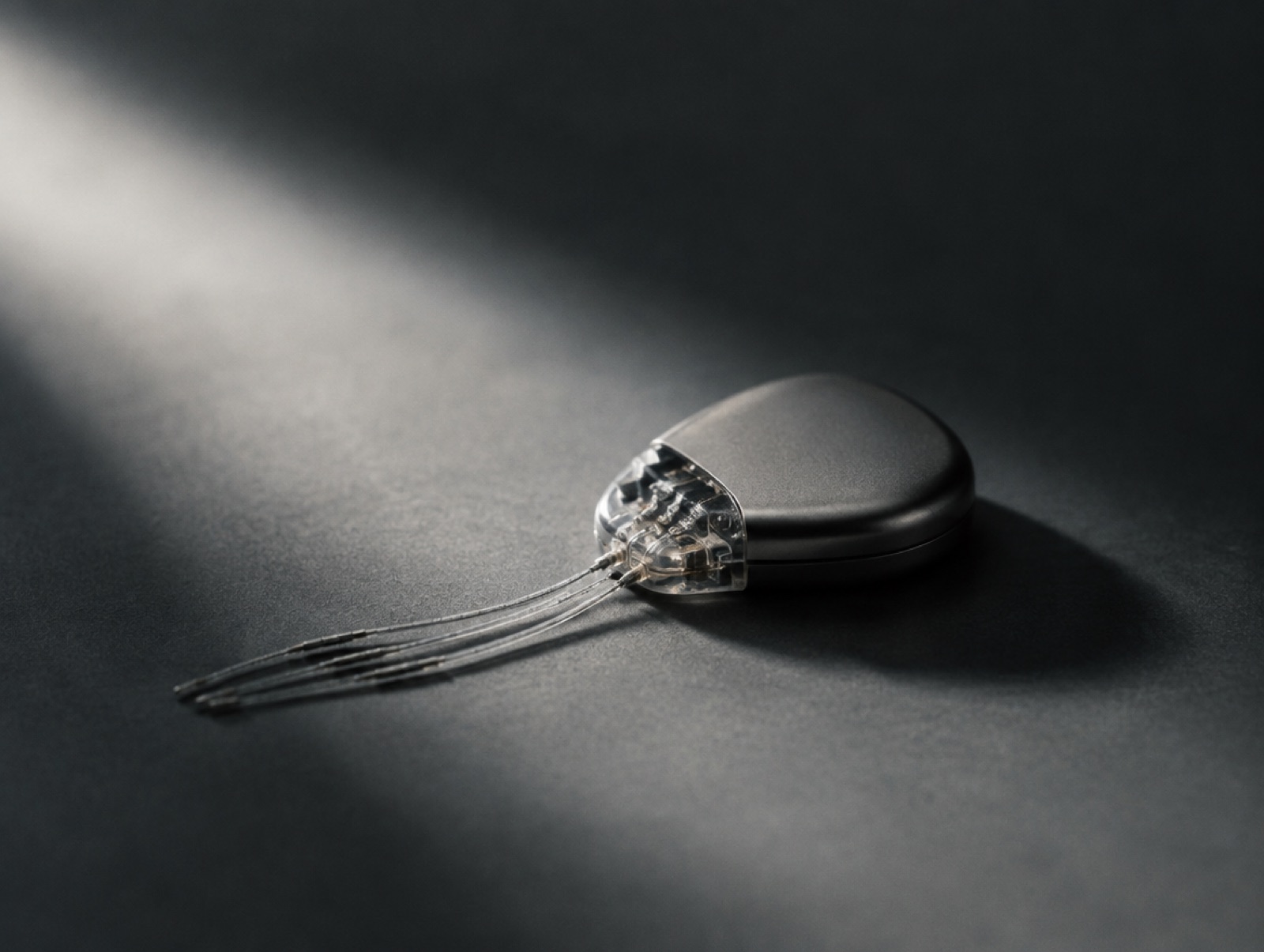 30–45 minSpinal Cord StimulationSpinal cord stimulation uses mild electrical pulses delivered through thin wires placed near the spinal cord…Read more →
 30–60 minPercutaneous DiscectomyPercutaneous discectomy removes a small amount of material from a bulging or herniated disc through a needle,…Read more →
Questions
Spinal Stenosis, answered.
Does spinal stenosis get worse over time?
The narrowing is structural and does not reverse, but symptoms do not march steadily downhill for everyone. Many people stay stable for years, with flares and quiet periods. The goal is to keep your walking distance and your independence, not to undo the anatomy.
Why can I walk in a grocery store but not down the street?
Leaning forward on a cart opens the spinal canal and gives the nerves more room. Walking upright closes it down. That pattern is so characteristic that it is one of the first things I ask about, and it is a strong clue that the problem is stenosis rather than the hips or circulation.
Is surgery required for spinal stenosis?
Not for most people. Epidural steroid injections, targeted nerve blocks and a specific exercise approach control symptoms for a large share of patients. Surgery becomes the right answer when walking distance is severely limited despite treatment, or when there is progressive weakness.
How long do epidural injections last for stenosis?
Relief commonly runs three to six months, sometimes longer. Some people need two or three a year, others get one and go a long time. If the relief is real but short, we look at what else is contributing, such as arthritic facet joints that respond better to radiofrequency ablation.
Can exercise help spinal stenosis?
Yes, and the right kind matters. Flexion based exercise, stationary cycling and hip and core strengthening are usually well tolerated because they keep the canal open. Extension and prolonged standing tend to aggravate it. A few weeks of guided therapy is worth more than a generic list of stretches.
Is spinal stenosis the same as arthritis of the spine?
They are closely related. Spinal arthritis is the process, stenosis is the result when that arthritis narrows the canal enough to crowd the nerves. Plenty of people have spinal arthritis with no stenosis, and mild stenosis on imaging with no symptoms is common.
Will I end up in a wheelchair?
Almost certainly not. Stenosis limits how far you can comfortably walk, but it rarely causes the kind of progressive paralysis people worry about when they read the imaging report. The realistic risk is losing distance year by year without treatment, which is a fixable problem.
Get a real diagnosis for spinal stenosis.
Three New Jersey offices, most insurance accepted, and a real opening on the calendar.