

Condition
Sciatica
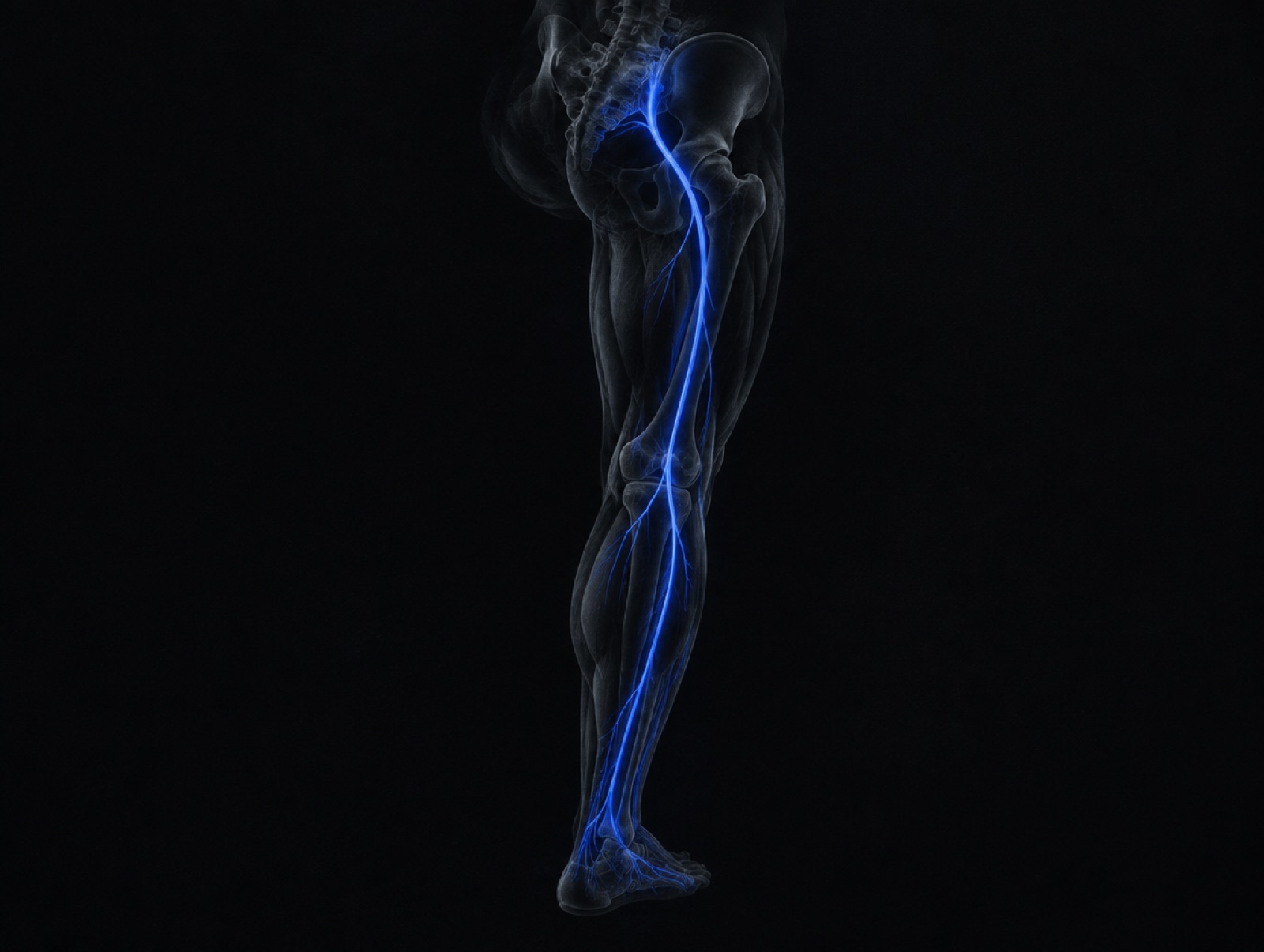
Sciatica is pain that travels from the low back or buttock down the back of the leg, following the sciatic nerve.
- Seen at
- All three offices
- Typical wait
- Within the same week
- Treated with
- 6 procedures
In short
What sciatica actually is.
Sciatica
Sciatica is pain that travels from the low back or buttock down the back of the leg, following the sciatic nerve. It is a symptom, not a diagnosis. Something is irritating a nerve root in the lower spine, usually a herniated disc or narrowing of the space the nerve travels through, and finding out which one is the whole job.
Symptoms
How it shows up.
If several of these sound like your week, it is worth having the source looked at properly.
- Pain that shoots down one leg past the knee, sometimes all the way to the foot
- A burning or electric feeling rather than a dull ache
- Numbness or pins and needles in the calf, the top of the foot or the toes
- Pain that spikes when you cough, sneeze or strain
- Sitting is the worst position and standing or walking gives partial relief
- The foot feels heavy, or slaps the ground when you walk
- Pain almost always on one side only
What causes it
- A herniated lumbar disc pressing on the L4, L5 or S1 nerve root
- Spinal stenosis narrowing the opening the nerve root travels through
- Arthritis and bone spurs crowding the nerve as it exits the spine
- Spondylolisthesis, where one vertebra slips forward over the one below it
- Piriformis muscle spasm in the buttock compressing the nerve outside the spine
- Trauma from a fall, a car accident or a heavy lift
When to act
Stop waiting when this happens.
Do not sit on these
Any one of the following is a reason to be seen rather than to wait it out.
- Leg pain has lasted more than four weeks or is getting worse instead of better
- You have real weakness, such as trouble lifting the front of the foot or pushing off
- Numbness is spreading rather than staying in one patch
- Any numbness in the groin or inner thighs, or loss of bladder or bowel control, which is an emergency and needs care that day
- Pain is severe enough that you cannot sleep, work or sit through a meal
Diagnosis
Finding the actual source.
A diagnosis is not a guess from an image. It comes from the exam, the history and, where nerves are involved, electrodiagnostic testing.
- Mapping exactly where the pain and numbness travel, because each nerve root has its own territory down the leg and foot
- Straight leg raise and slump testing to reproduce the nerve tension and confirm the pain is radicular rather than muscular
- Strength and reflex testing that localizes the level, such as weak great toe extension for L5 or a reduced ankle reflex for S1
- EMG and nerve conduction studies, which show whether the nerve is genuinely being compressed, how severe it is, whether it is recent or long standing, and which root is involved, information an MRI cannot give
- MRI of the lumbar spine to see the disc, the nerve root and the space around it when a procedure is being planned
- A diagnostic selective nerve root block, where numbing one specific root and watching the leg pain disappear confirms the target
Nerve testing happens here, not elsewhere
EMG and nerve conduction studies are done in the office and read by Dr. Sheikh the same day, rather than sent out and waited on.
Treatment
How sciatica is treated.
Ordered from the most common first step to the options reserved for pain that has not responded.
 15–30 minEpidural Steroid InjectionAn epidural steroid injection puts anti-inflammatory medication into the epidural space, the area just outsid…Read more →
 15–45 minNerve BlockA nerve block is an injection of local anesthetic, often with a steroid, placed next to a specific nerve or c…Read more →
 30–60 minPercutaneous DiscectomyPercutaneous discectomy removes a small amount of material from a bulging or herniated disc through a needle,…Read more →
 45–90 minLaser and Endoscopic DiscectomyEndoscopic discectomy removes herniated disc material through an incision smaller than a fingertip, using a c…Read more →
 30–90 minRadiofrequency AblationRadiofrequency ablation uses heat from a radio wave to interrupt the small nerves that carry pain from an art…Read more →
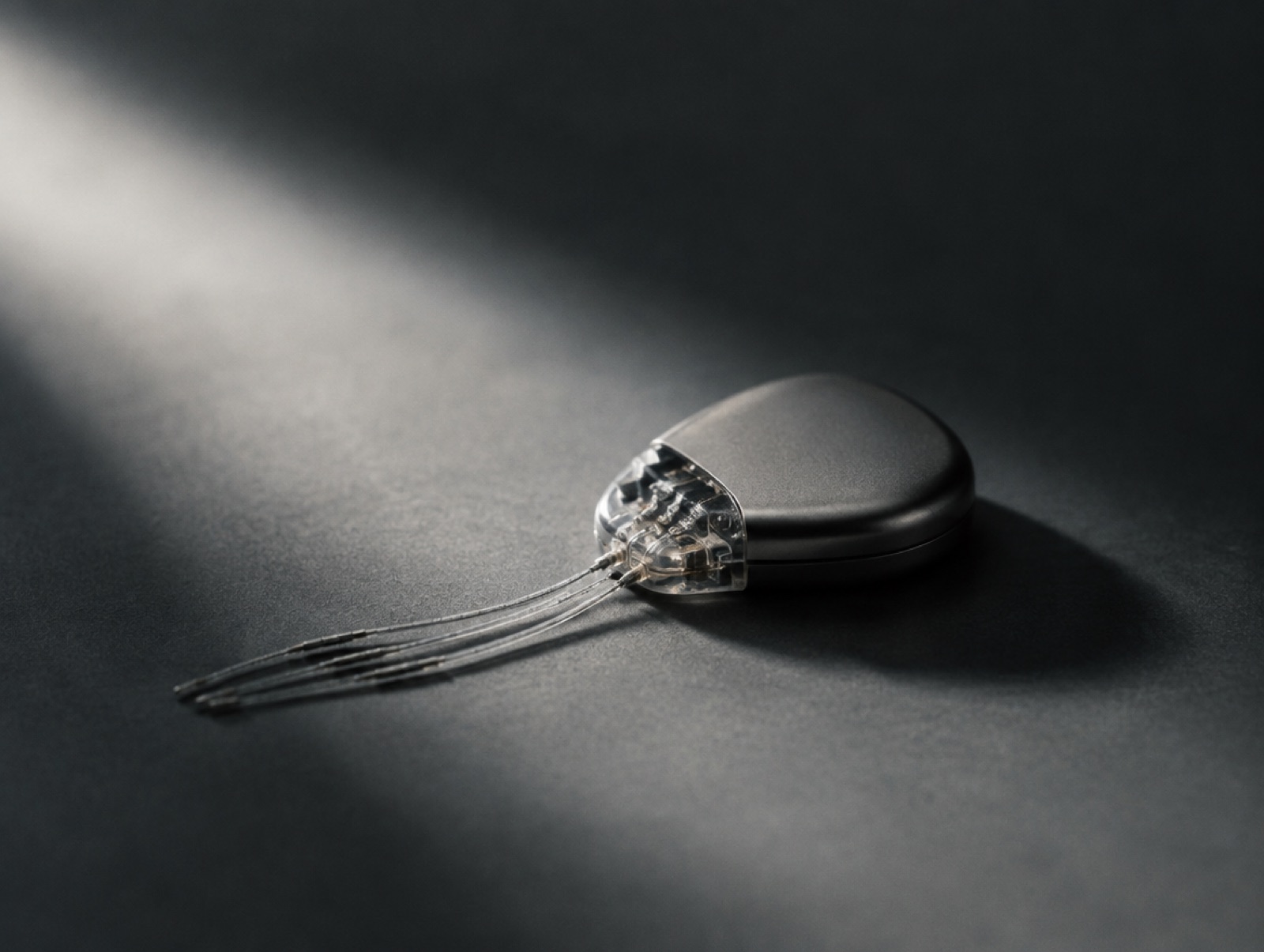 30–45 minSpinal Cord StimulationSpinal cord stimulation uses mild electrical pulses delivered through thin wires placed near the spinal cord…Read more →
Questions
Sciatica, answered.
Will sciatica go away on its own?
Often, yes. Roughly three out of four people improve substantially within six to twelve weeks as the inflammation around the nerve settles. The ones who do not improve in that window, or who have weakness in the leg, should be evaluated rather than given more time.
How long does sciatica last?
Typical episodes run four to twelve weeks. Past three months it is considered chronic, and the nerve itself can become sensitized so that pain continues even after the original pressure eases. That is the main argument for treating it sooner rather than riding it out indefinitely.
Is walking good or bad for sciatica?
Walking is usually good, as long as it does not make the leg pain worse while you do it. Prolonged sitting and bed rest both tend to make sciatica worse. Move within the range that does not spike the pain, and stop pushing when the leg symptoms increase.
Do I need surgery for sciatica?
Most people do not. Surgery is clearly indicated for progressive weakness or loss of bladder and bowel control. For everything else, epidural injections, nerve blocks and minimally invasive disc procedures resolve a large share of cases without an open operation.
Why is my foot numb with sciatica?
The nerve root being compressed carries sensation to a specific patch of skin on the leg and foot. Pressure on it interrupts that signal and the area goes numb. Where the numbness sits tells us which root is involved, and nerve conduction testing tells us how badly.
Does an epidural injection cure sciatica?
It reduces the inflammation around the compressed nerve, which is what makes most of the pain. For many people that breaks the cycle and the problem does not return. It does not shrink a disc herniation, so if the herniation is large and the pain comes back, we look at a disc procedure next.
Can sciatica cause permanent damage?
Prolonged severe compression can leave lasting numbness or weakness, which is why persistent weakness is not something to wait out. Pain alone rarely causes permanent nerve injury. An EMG can show whether the nerve is still healthy or already showing damage, which changes how quickly we move.
Get a real diagnosis for sciatica.
Three New Jersey offices, most insurance accepted, and a real opening on the calendar.