


Condition
Nerve Inflammation
Nerve inflammation, also called neuritis, is irritation of a nerve by swelling and inflammatory chemicals rather than by being crushed or cut.
- Seen at
- All three offices
- Typical wait
- Within the same week
- Treated with
- 3 procedures
In short
What nerve inflammation actually is.
Nerve Inflammation
Nerve inflammation, also called neuritis, is irritation of a nerve by swelling and inflammatory chemicals rather than by being crushed or cut. An inflamed nerve fires when it should be quiet, which is why the pain is burning and electric and often far worse than anything an image shows. Causes range from viral infection and autoimmune disease to diabetes and simple mechanical rubbing at a tight spot. It is worth identifying, because inflammation is one of the more treatable reasons a nerve hurts.
Symptoms
How it shows up.
If several of these sound like your week, it is worth having the source looked at properly.
- Burning or searing pain that runs in a line, following the path of one nerve
- Skin that is painfully sensitive, so a shirt or a draft of air hurts
- Sharp shocks that arrive in bursts and then settle again
- Pain that is far worse than anything that shows up on a scan
- Tingling and patchy numbness in the same area that hurts
- Pain that flares at night, in the heat or after the area is used hard
- Weakness in the muscles that nerve supplies once the inflammation has gone on a while
What causes it
- Viral infection, shingles above all, which inflames a nerve root and the nerve leaving it
- Autoimmune disease such as Guillain-Barre syndrome, lupus or vasculitis attacking the nerve directly
- Diabetes, which both damages nerves generally and inflames single nerves
- Mechanical irritation where a nerve rubs against bone, a disc or a tight band of tissue
- Toxic exposure and certain medications, including several chemotherapy drugs
- Vitamin deficiency, particularly B12 and B1, and heavy or long term alcohol use
When to act
Stop waiting when this happens.
Do not sit on these
Any one of the following is a reason to be seen rather than to wait it out.
- Burning nerve pain has lasted more than two weeks without settling
- The pain arrived with or just after a rash, which points to shingles and should be assessed quickly
- You are developing weakness in the muscles supplied by the painful nerve
- Weakness that is spreading in both legs or both arms, especially climbing upward, which is an emergency and needs the hospital rather than an appointment
- Rest and over the counter medication have not changed anything
Diagnosis
Finding the actual source.
A diagnosis is not a guess from an image. It comes from the exam, the history and, where nerves are involved, electrodiagnostic testing.
- Tracing the pain along the actual anatomic path of the nerve, since a true neuritis follows one nerve rather than spreading in a glove or stocking pattern
- Examining the skin in that same territory for rash, colour change and sensory loss
- Nerve conduction studies and EMG to confirm the nerve is affected and to separate inflammation from compression and from a generalized neuropathy
- Blood work for A1C, B12, thyroid and inflammatory markers, arranged with your primary care physician or rheumatologist when an autoimmune cause is in question
- A diagnostic nerve block, where relief within minutes confirms that particular nerve is carrying the pain
- Imaging when a specific structure is suspected of irritating the nerve mechanically
Nerve testing happens here, not elsewhere
EMG and nerve conduction studies are done in the office and read by Dr. Sheikh the same day, rather than sent out and waited on.
Treatment
How nerve inflammation is treated.
Ordered from the most common first step to the options reserved for pain that has not responded.
 15–45 minNerve BlockA nerve block is an injection of local anesthetic, often with a steroid, placed next to a specific nerve or c…Read more →
 15–30 minEpidural Steroid InjectionAn epidural steroid injection puts anti-inflammatory medication into the epidural space, the area just outsid…Read more →
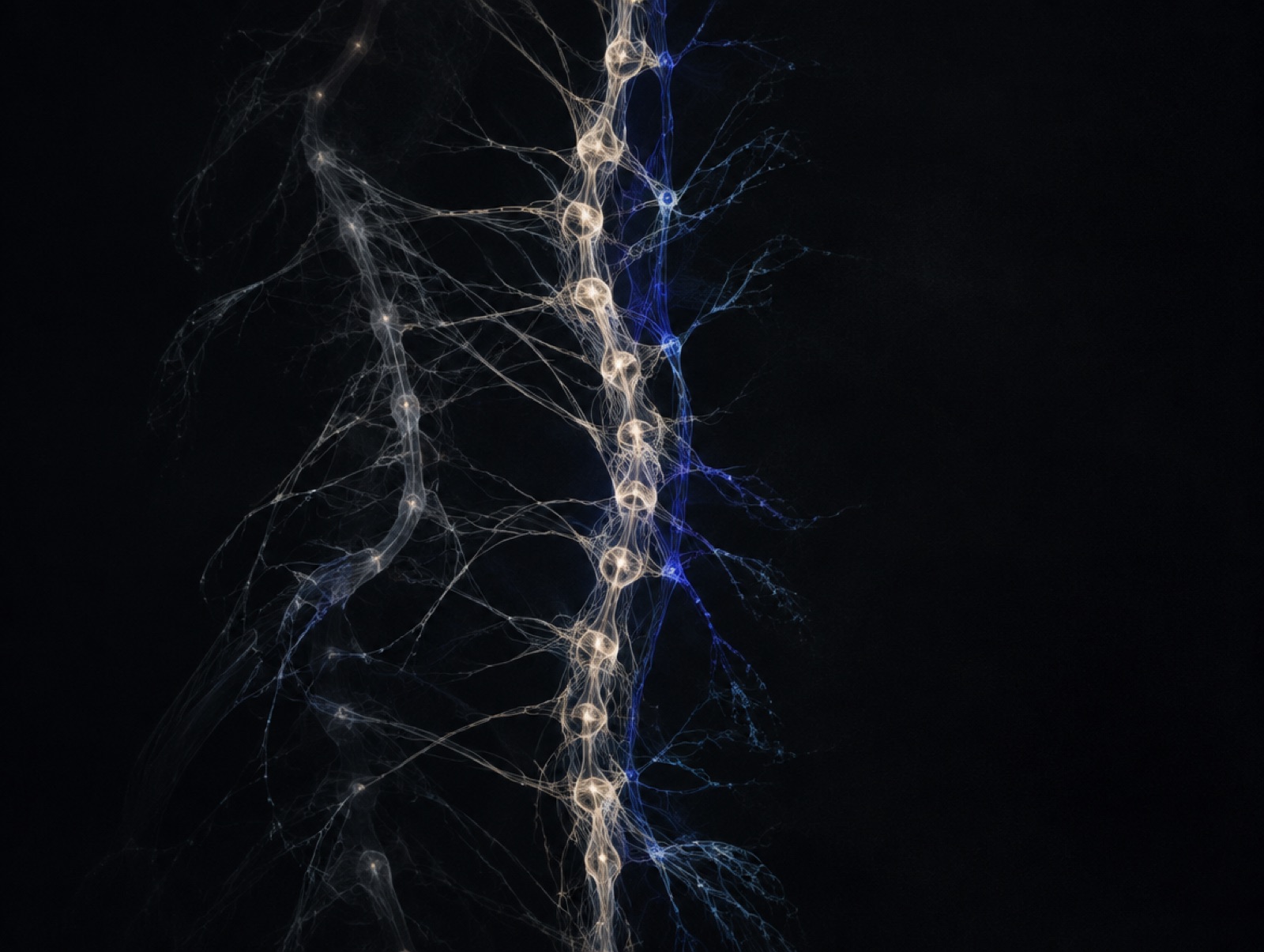 20–45 minSympathetic Nerve BlocksA sympathetic nerve block targets the sympathetic nervous system, the automatic network that controls blood f…Read more →
Questions
Nerve Inflammation, answered.
What is the difference between an inflamed nerve and a pinched nerve?
A pinched nerve is under mechanical pressure from a disc, bone or tight tunnel. An inflamed nerve is chemically irritated and swollen, and it can hurt without anything squeezing it. They often overlap, since a disc leaks inflammatory material onto a nerve root it is also pressing on. Nerve testing and the response to a diagnostic block help separate them.
Will an anti-inflammatory fix it?
Oral anti-inflammatories help some people and do very little for others, because the drug reaches the nerve in only small concentration. Placing steroid directly around the inflamed nerve or nerve root delivers far more medication to the right place. That is the reasoning behind a nerve block or an epidural steroid injection rather than another round of pills.
How long does nerve inflammation take to settle?
Inflammation from a single event, such as an irritated nerve root, often settles over several weeks to a few months. Inflammation driven by an ongoing cause, such as uncontrolled diabetes or an active autoimmune condition, will keep returning until that cause is addressed, which is a job shared with the physician managing it. The honest answer at a first visit is that the timeline depends on which of those two you are dealing with.
Can an inflamed nerve cause permanent damage?
It can if it goes on long enough. Sustained inflammation damages the insulating sheath and eventually the nerve fiber, and that is the point at which numbness and weakness stop fully recovering. EMG and nerve conduction testing show whether it has reached that stage, which is the main reason not to wait it out indefinitely.
Do I need an MRI first?
Not always. When the exam and the electrical testing clearly identify an inflamed peripheral nerve, an MRI adds little. Imaging earns its place when a nerve root is implicated, when something structural is suspected of irritating the nerve, or when a procedure is being planned around a specific level.
Get a real diagnosis for nerve inflammation.
Three New Jersey offices, most insurance accepted, and a real opening on the calendar.