


Condition
Plantar Fasciitis
Plantar fasciitis is irritation and degeneration of the thick band of tissue running from the heel bone to the toes.
- Seen at
- All three offices
- Typical wait
- Within the same week
- Treated with
- 3 procedures
In short
What plantar fasciitis actually is.
Plantar Fasciitis
Plantar fasciitis is irritation and degeneration of the thick band of tissue running from the heel bone to the toes. The classic sign is sharp pain in the first few steps out of bed that eases after several minutes of walking, then returns after you have been sitting. Heel spurs turn up on X-ray in plenty of people who have never had heel pain and are usually incidental rather than the cause. Stretching and managing load do most of the work, and injections are for the cases that will not settle.
Symptoms
How it shows up.
If several of these sound like your week, it is worth having the source looked at properly.
- Sharp pain under the heel with the first few steps in the morning
- Pain that eases after five or ten minutes of walking, then comes back after sitting
- A tender spot on the inside of the heel that hurts when you press it
- Pain that is worst at the end of a long day standing on hard floors
- Pain that flares after exercise rather than during it
- Tightness in the calf and Achilles, and difficulty pulling the foot up toward you
- Walking on the outside of the foot to spare the heel, until something else starts to hurt
What causes it
- A sudden increase in standing, walking or running volume
- Tight calf muscles and a tight Achilles tendon, which increase the pull on the heel with every step
- Flat feet or very high arches, both of which change how load passes through the fascia
- Long days on hard floors in unsupportive or worn out shoes
- Extra body weight, which raises the force through the heel with every step
- Work that involves standing in one place: nursing, teaching, retail, factory shifts
When to act
Stop waiting when this happens.
Do not sit on these
Any one of the following is a reason to be seen rather than to wait it out.
- Heel pain has not improved after six weeks of stretching, shoe changes and activity modification
- The pain has become constant rather than worst in the first steps of the day
- There is numbness, burning or tingling in the heel or arch, which points at a nerve rather than the fascia
- You felt a sudden pop with immediate bruising and cannot bear weight, which suggests a rupture rather than fasciitis
- Heel pain in both feet in a younger patient with morning stiffness elsewhere, which can signal an inflammatory arthritis and needs different testing
Diagnosis
Finding the actual source.
A diagnosis is not a guess from an image. It comes from the exam, the history and, where nerves are involved, electrodiagnostic testing.
- Pressing on the inside of the heel bone where the fascia attaches, since that single point of tenderness is what defines the diagnosis
- The windlass test, pulling the big toe up to tighten the fascia and reproduce the pain
- Measuring ankle motion with the knee straight and bent, because a tight calf is the most common driver and the most fixable one
- Checking for burning, numbness or a positive Tinel sign over the tibial nerve at the inner ankle, since nerve entrapment mimics plantar fasciitis and does not respond to fascia treatment
- Ultrasound to measure the thickness of the fascia at the heel, which supports the diagnosis and can be repeated to track change
- X-ray or MRI when a calcaneal stress fracture is suspected, meaning pain at rest, night pain, or tenderness when the heel is squeezed from both sides
Nerve testing happens here, not elsewhere
EMG and nerve conduction studies are done in the office and read by Dr. Sheikh the same day, rather than sent out and waited on.
Treatment
How plantar fasciitis is treated.
Ordered from the most common first step to the options reserved for pain that has not responded.
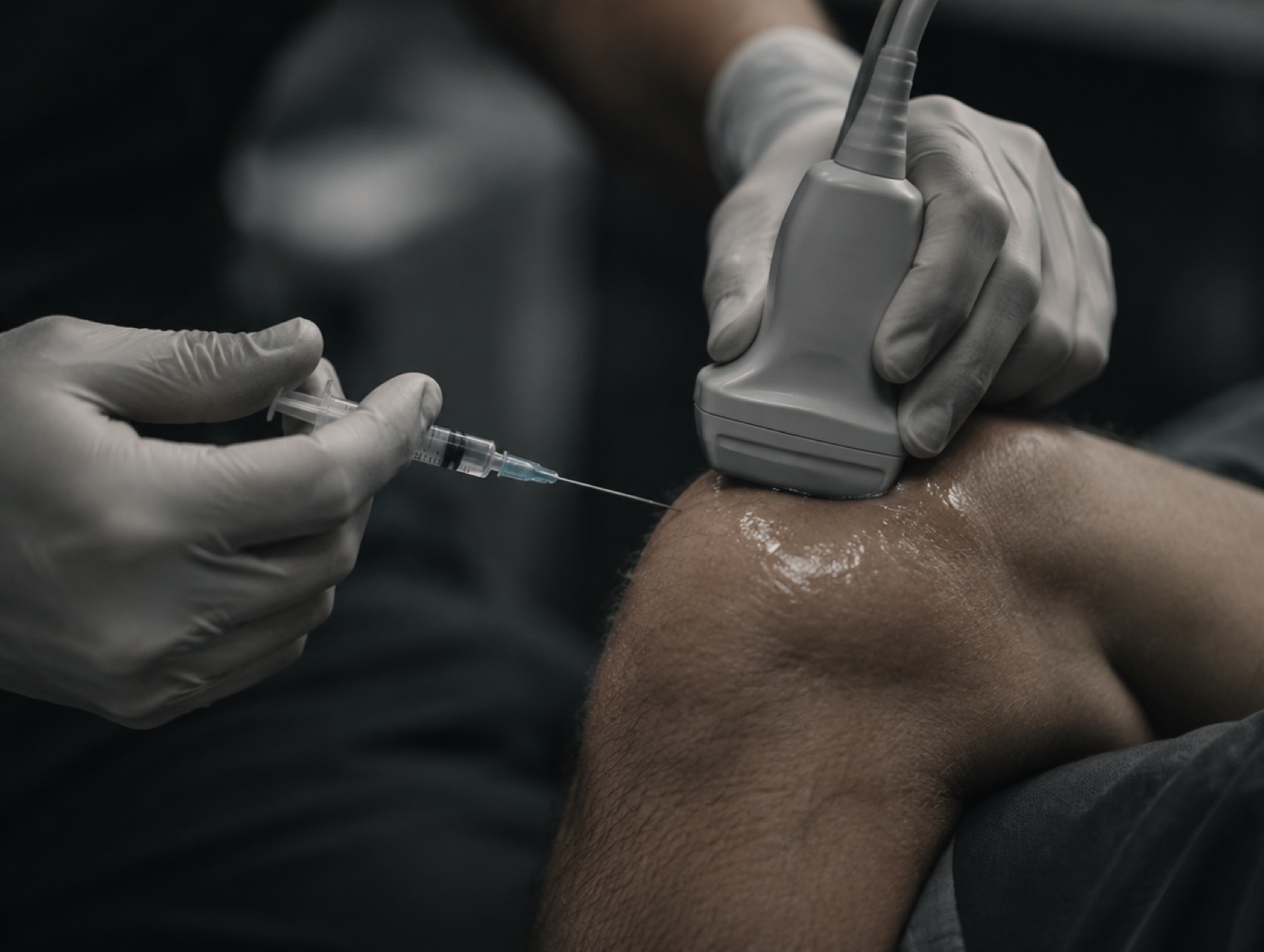 45 minJoint InjectionsA joint injection places medication directly into a painful joint, either a corticosteroid to reduce inflamma…Read more →
 45–60 minPRP TherapyPRP therapy concentrates the platelets from a sample of your own blood and injects them into an injured tendo…Read more →
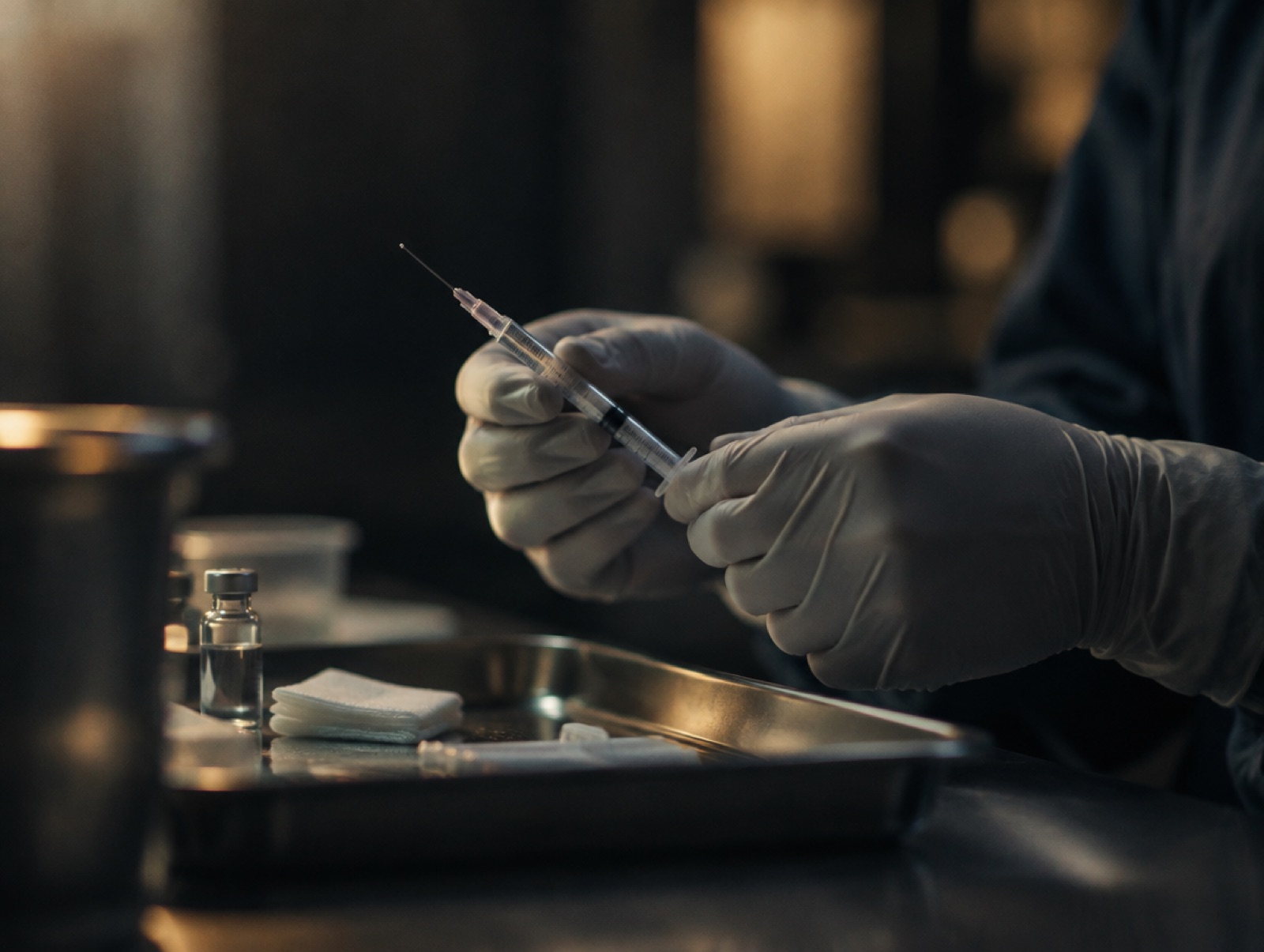 15–45 minNerve BlockA nerve block is an injection of local anesthetic, often with a steroid, placed next to a specific nerve or c…Read more →
Questions
Plantar Fasciitis, answered.
Is my heel spur causing the pain?
Almost certainly not. Heel spurs are found on X-ray in a large share of people who have never had heel pain, and plenty of people with severe plantar fasciitis have no spur at all. The spur is a response to long standing traction rather than the thing that hurts. Removing it is rarely the answer, and treatment aimed at the fascia and the calf usually is.
Why is it worst first thing in the morning?
The fascia shortens overnight while your foot points down. The first steps stretch it suddenly and pull on the irritated attachment at the heel. Once it has warmed up and lengthened the pain settles, which is also why it returns after you have been sitting at a desk or in a car. Stretching the foot and calf before you stand up helps more than most people expect.
What actually works for plantar fasciitis?
Calf and fascia stretching done consistently, supportive shoes, a night splint in stubborn cases, and cutting the specific load that flares it. Most people improve within several months on that alone. It is unglamorous and it has to be done daily, which is the real reason it fails more often than because the treatment is wrong.
Should I get a cortisone shot in my heel?
It is reasonable when the pain has not settled after a few months of proper stretching and load management, and it can give useful relief. It carries a small risk of rupturing the fascia and of thinning the fat pad under the heel, so it is not something to repeat casually. It also does nothing about the tight calf that caused the problem, so the stretching still has to happen.
Does surgery help heel pain?
Surgical release is uncommon and reserved for cases that have failed a year or more of proper non-surgical treatment, and it belongs with a foot and ankle surgeon. Before anyone gets to that point it is worth confirming the diagnosis, because nerve entrapment and heel stress fractures get treated as plantar fasciitis for months without improving.
Get a real diagnosis for plantar fasciitis.
Three New Jersey offices, most insurance accepted, and a real opening on the calendar.