


Condition
Tennis Elbow (Lateral Epicondylitis)
Tennis elbow is pain at the bony bump on the outside of the elbow, where the tendons that lift the wrist and fingers all anchor into bone.
- Seen at
- All three offices
- Typical wait
- Within the same week
- Treated with
- 3 procedures
In short
What tennis elbow actually is.
Tennis Elbow (Lateral Epicondylitis)
Tennis elbow is pain at the bony bump on the outside of the elbow, where the tendons that lift the wrist and fingers all anchor into bone. Most people who get it have never played tennis. Despite the name, what is found in the tendon is degeneration and failed healing rather than active inflammation, which is why rest alone often fails and why anti-inflammatories only blunt it. Treatment that works loads the tendon deliberately so it remodels.
Symptoms
How it shows up.
If several of these sound like your week, it is worth having the source looked at properly.
- A sore point on the outside of the elbow that you can cover with one fingertip
- Pain lifting a coffee cup, a milk jug or a frying pan
- A weak grip, and a handshake that suddenly hurts
- Pain shooting into the forearm when you turn a doorknob or wring out a cloth
- An ache that is worst the morning after a day of gripping tools, a mouse or a steering wheel
- Stiffness in the elbow first thing that eases after a few minutes of moving it
- Symptoms that have come and gone for months and are slowly becoming harder to work around
What causes it
- Repeated gripping and wrist extension at work, in the trades, in kitchens or at a keyboard
- Racquet sports played with poor technique, a grip that is too small or strings strung too tight
- A sudden burst of an activity the forearm was not conditioned for, such as a weekend of painting or moving
- Age between thirty five and fifty five, when tendon blood supply and repair capacity drop
- A previous episode that was rested rather than rehabilitated, leaving the tendon weak
- Smoking and diabetes, which both slow tendon healing
When to act
Stop waiting when this happens.
Do not sit on these
Any one of the following is a reason to be seen rather than to wait it out.
- Pain has lasted more than six weeks despite rest, ice and over the counter medication
- You are switching hands, changing your grip or avoiding tasks at work to get through the day
- Grip strength has dropped enough that you are dropping things
- There is numbness or tingling in the hand, which points to a nerve rather than the tendon
- The elbow is hot, swollen or locking, or the pain began with a fall or a sudden pop rather than gradually
Diagnosis
Finding the actual source.
A diagnosis is not a guess from an image. It comes from the exam, the history and, where nerves are involved, electrodiagnostic testing.
- Pressing directly on the lateral epicondyle and the tendon just beyond it, since true tennis elbow is tender within a fingertip of that spot
- Resisted wrist and middle finger extension with the elbow straight, which reproduces the pain and separates tendon pain from joint pain
- Examining the neck, since an irritated C6 nerve root refers pain to the outer elbow and will not respond to anything aimed at the tendon
- Diagnostic ultrasound in the office to watch the common extensor tendon while the wrist moves, showing thickening, tearing and loss of the normal fiber pattern
- Nerve conduction studies when there is numbness, night symptoms or weakness, to check the radial nerve in the forearm and rule out radial tunnel syndrome, which is treated differently
- X-ray when the elbow has been injured, is catching or locking, or the exam suggests arthritis or a loose body rather than a tendon problem
Nerve testing happens here, not elsewhere
EMG and nerve conduction studies are done in the office and read by Dr. Sheikh the same day, rather than sent out and waited on.
Treatment
How tennis elbow is treated.
Ordered from the most common first step to the options reserved for pain that has not responded.
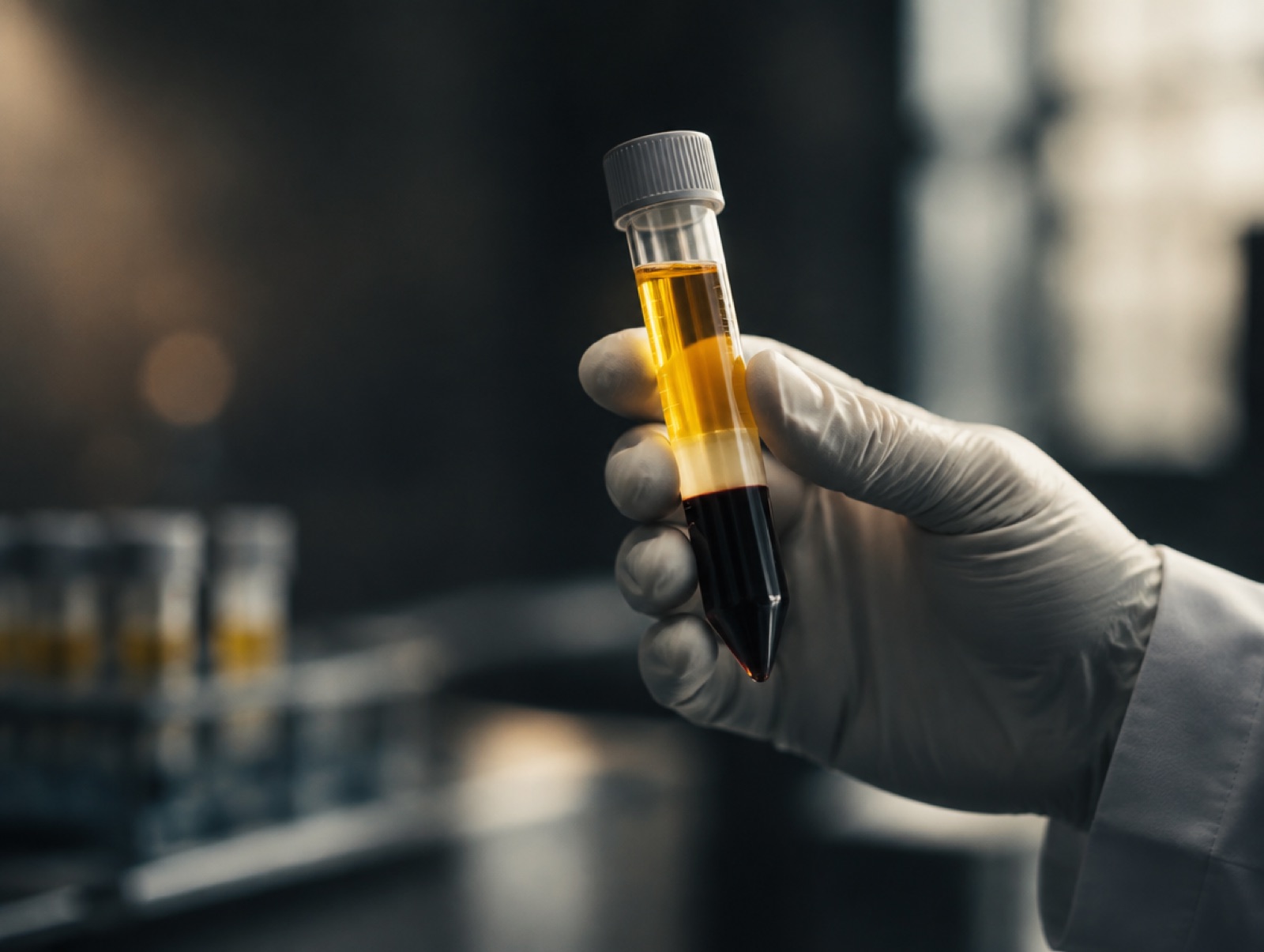 45–60 minPRP TherapyPRP therapy concentrates the platelets from a sample of your own blood and injects them into an injured tendo…Read more →
 Trigger Point InjectionA trigger point injection treats a knot in a muscle, a tight band that will not release and that often refers…Read more →
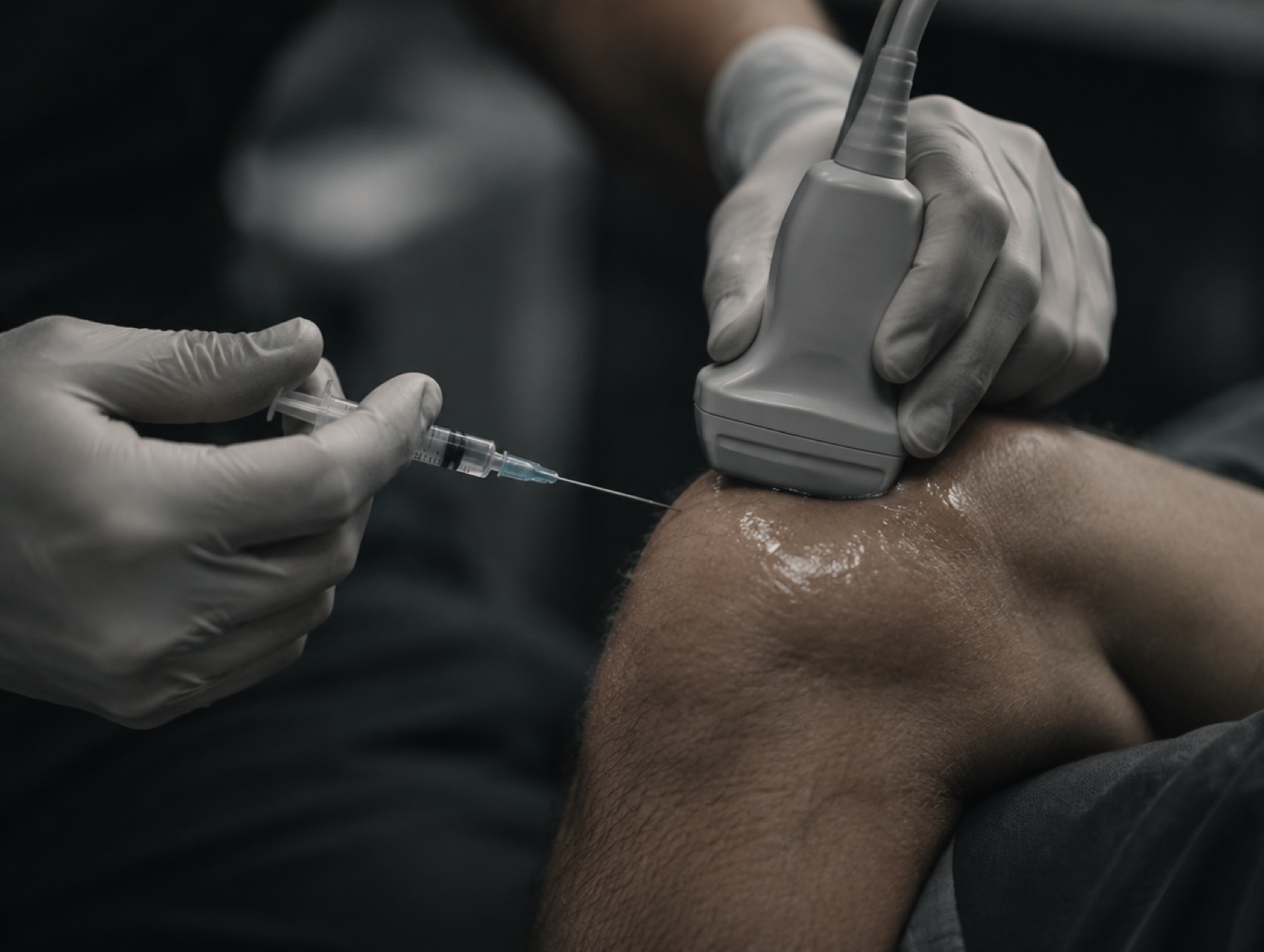 45 minJoint InjectionsA joint injection places medication directly into a painful joint, either a corticosteroid to reduce inflamma…Read more →
Questions
Tennis Elbow (Lateral Epicondylitis), answered.
I have never played tennis, so why do I have tennis elbow?
The name is historical and misleading. Most patients get it from work rather than sport: gripping tools, using a mouse, cooking, cleaning, lifting boxes. The tendon does not care what the activity is called, only how much repeated load it has taken. Plumbers, chefs, hairdressers and office workers account for far more cases than tennis players.
Why has rest not fixed it?
Because this is not really an inflammation. The tendon at the extensor origin shows disorganized collagen and failed repair, and resting an unhealthy tendon makes it weaker without making it heal. Backing off the aggravating movement helps early on, but the tendon needs controlled loading to remodel. That is why a graded strengthening program does more than time off.
Does a cortisone shot cure tennis elbow?
It usually gives real relief for several weeks to a few months, and for someone who cannot work through the pain that window is genuinely useful. It does not repair the tendon, and repeated steroid injections into the same tendon can weaken it. Dr. Sheikh is selective about using it, and it works best paired with a loading program rather than on its own.
Is PRP worth trying for tennis elbow?
This is one of the conditions where the case for PRP is strongest. It concentrates platelets from your own blood and places them into the degenerated tendon to restart a healing response. It works slowly, often taking several weeks, and the elbow is usually sore for the first few days. It is typically not covered by insurance and it does not replace rehabilitation.
How long does tennis elbow take to get better?
Most cases settle within six to twelve months, and the ones caught in the first few weeks resolve faster than that. The timeline frustrates people, but tendon remodels slowly and there is no way to rush it. A brace, technique changes and consistent loading work shorten it. A case still unchanged after six months of honest rehabilitation is one worth reassessing rather than repeating.
Get a real diagnosis for tennis elbow.
Three New Jersey offices, most insurance accepted, and a real opening on the calendar.