


Condition
Concussion and Post-Traumatic Headache
A concussion is a mild traumatic brain injury, and the acute phase belongs to an emergency department and a neurologist, not to a pain office.
- Seen at
- All three offices
- Typical wait
- Within the same week
- Treated with
- 4 procedures
In short
What concussion actually is.
Concussion and Post-Traumatic Headache
A concussion is a mild traumatic brain injury, and the acute phase belongs to an emergency department and a neurologist, not to a pain office. This page is about what comes afterward: the headache, neck pain and scalp tenderness that are still there weeks or months later. A large share of that lingering pain is coming from the upper cervical spine and the occipital nerves rather than from the brain itself, because the same force that shook the brain also whipped the neck. That distinction matters, because headache driven by the neck responds to treatment aimed at the neck.
Symptoms
How it shows up.
If several of these sound like your week, it is worth having the source looked at properly.
- A daily headache that started in the days or weeks after a hit to the head and has not let up
- Pain that begins at the base of the skull and spreads up behind one ear toward the forehead
- A tender patch at the back of the head where a hairbrush, a hat or a pillow hurts
- Neck stiffness and pain that arrived with the headache and has stayed with it
- Headache that builds through screen time, reading or a full day at a desk
- Feeling foggy, slow or short tempered, with noise and light wearing you out faster than they used to
- Dizziness or a swimming feeling when you turn your head quickly
What causes it
- Whiplash at the moment of impact, which strains the joints and ligaments of the upper neck even when the head itself was never struck
- Irritation of the greater and lesser occipital nerves where they pass through the muscles at the back of the skull
- Injury to the upper cervical facet joints, which refer pain into the head through a relay they share with the nerve supplying the face and scalp
- Trigger points in the neck and upper shoulder muscles laid down by weeks of holding a sore neck still
- An existing migraine tendency that the injury switched on, turning occasional headaches into frequent ones
- Overuse of over the counter pain medication during recovery, which can turn intermittent headaches into daily ones
When to act
Stop waiting when this happens.
Do not sit on these
Any one of the following is a reason to be seen rather than to wait it out.
- After any head injury, a headache that keeps getting worse, repeated vomiting, a seizure, one pupil larger than the other, slurred speech, weakness on one side, confusion that is deepening, or any loss of consciousness means emergency care now, not an appointment
- Headache and neck pain are still present more than a few weeks after the injury and are not trending downward
- You are taking over the counter pain medication more than two days a week to keep the headaches manageable
- The headache is anchored to a tender spot at the back of the skull, or pressing on your upper neck reproduces the exact headache you have been having
- You are back at work or school but the headaches are making full days impossible, or the medication your neurologist prescribed is not holding
Diagnosis
Finding the actual source.
A diagnosis is not a guess from an image. It comes from the exam, the history and, where nerves are involved, electrodiagnostic testing.
- A history of the injury itself: how it happened, whether you lost consciousness, what the emergency department found and what imaging has already been done, so that nothing is repeated and nothing is assumed
- Sorting out the headache pattern, since a headache that starts in the neck and travels forward behaves differently from migraine, and many people after a concussion have both at once
- Examining the upper cervical spine segment by segment to see whether pressing one specific joint reproduces your usual headache rather than simply feeling sore
- Palpating the greater and lesser occipital nerves at the back of the skull for the tenderness and electric sensation that identify occipital neuralgia
- A neurological exam, with imaging or referral back to neurology when there are warning signs such as symptoms that are worsening, a new deficit or a seizure
- A diagnostic occipital nerve block or cervical medial branch block, where the relief that follows identifies which structure is generating the headache before any longer lasting treatment is considered
Nerve testing happens here, not elsewhere
EMG and nerve conduction studies are done in the office and read by Dr. Sheikh the same day, rather than sent out and waited on.
Treatment
How concussion is treated.
Ordered from the most common first step to the options reserved for pain that has not responded.
 15–45 minNerve BlockA nerve block is an injection of local anesthetic, often with a steroid, placed next to a specific nerve or c…Read more →
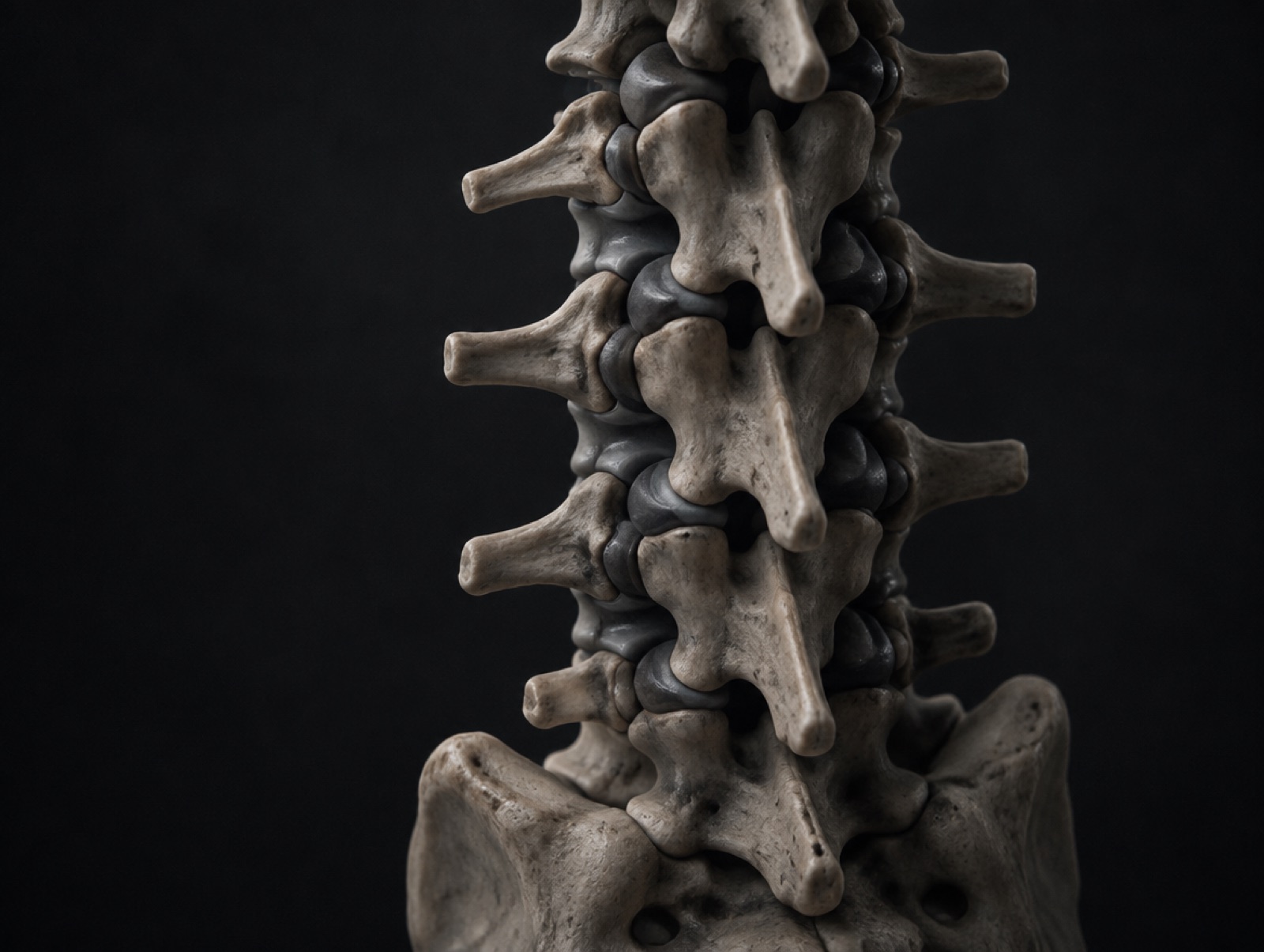 Facet Joint InjectionA facet joint injection treats the small paired joints at the back of the spine that let you bend and twist.Read more →
 30–90 minRadiofrequency AblationRadiofrequency ablation uses heat from a radio wave to interrupt the small nerves that carry pain from an art…Read more →
 Trigger Point InjectionA trigger point injection treats a knot in a muscle, a tight band that will not release and that often refers…Read more →
Questions
Concussion and Post-Traumatic Headache, answered.
Does Dr. Sheikh treat concussions?
No. A fresh head injury is assessed in an emergency department, and the concussion itself is managed by neurology or a concussion program. Dr. Sheikh treats the headache and neck pain that persist after that, working alongside the clinician managing your recovery. If your injury is recent and your symptoms are worsening, go to an emergency department rather than booking an appointment.
Why does my neck hurt as much as my head?
Because the neck was injured at the same time. The force that moves the brain inside the skull also whips the cervical spine, straining the upper joints and the muscles around the occipital nerves. The upper three cervical nerves share a relay in the brainstem with the nerve that supplies the face and scalp, so a neck problem is genuinely felt as head pain. This is one of the most commonly missed parts of the picture.
How long do headaches after a concussion normally last?
Most settle within days to a few weeks. A minority carry on for months, and those are the ones worth evaluating rather than waiting out. Headaches that persist that long usually have a specific mechanical or nerve source in the neck, which is treatable, instead of being something you simply have to outlast.
Can a nerve block help a headache after a concussion?
It can when the pain is coming from the occipital nerves or the upper neck joints. An occipital nerve block is both a test and a treatment: relief within minutes points to those nerves as the source. Some people get weeks of relief, some get months, and some get very little, which is useful information either way. It does not treat the brain injury, and it is used alongside your neurologist's plan rather than in place of it.
When can I go back to sport or full time work?
Clearance for return to play or full duty comes from the clinician managing your concussion, not from a pain specialist. What Dr. Sheikh can do is reduce the headache and neck pain that are holding up your return. If you are already cleared but the headaches are still limiting your days, that is a reasonable point to have the neck looked at directly.
Get a real diagnosis for concussion.
Three New Jersey offices, most insurance accepted, and a real opening on the calendar.