


Condition
Golfer's Elbow (Medial Epicondylitis)
Golfer's elbow is pain at the bony bump on the inside of the elbow, where the tendons that flex the wrist and close the grip attach.
- Seen at
- All three offices
- Typical wait
- Within the same week
- Treated with
- 4 procedures
In short
What golfer's elbow actually is.
Golfer's Elbow (Medial Epicondylitis)
Golfer's elbow is pain at the bony bump on the inside of the elbow, where the tendons that flex the wrist and close the grip attach. It is the mirror image of tennis elbow and behaves the same way, as tendon degeneration rather than simple inflammation. The ulnar nerve runs in a groove directly behind that bump, and in a meaningful share of patients it is irritated at the same time. Working out how much of the pain is tendon and how much is nerve changes the treatment, which is why it is worth testing rather than assuming.
Symptoms
How it shows up.
If several of these sound like your week, it is worth having the source looked at properly.
- A tender spot on the inside of the elbow that hurts when you press on it
- Pain gripping, shaking hands, swinging a club or carrying a heavy bag
- An ache along the inner forearm when you turn your palm down or bend the wrist
- A grip that gives out, especially with the wrist bent forward
- Pins and needles in the ring and little fingers, which means the ulnar nerve is involved too
- Pain that flares the day after throwing, hammering or a long stretch of manual work
- Morning stiffness in the elbow that loosens within a few minutes
What causes it
- Repeated gripping and wrist flexion: hammering, driving screws, carrying tools, racking weights
- Golf, particularly hitting the ground before the ball, and throwing sports that load the inside of the elbow
- A quick increase in training or work volume without building up to it
- Age related decline in tendon repair, most commonly between forty and sixty
- An ulnar nerve that slips over the bony bump as the elbow bends, irritating itself with every repetition
- Diabetes and smoking, both of which slow tendon healing
When to act
Stop waiting when this happens.
Do not sit on these
Any one of the following is a reason to be seen rather than to wait it out.
- Pain has persisted beyond six weeks of rest and activity changes
- You have numbness or tingling in the ring and little fingers, or you wake with the hand asleep
- The grip is weak enough to affect your work or you are dropping things
- The muscle between the thumb and index finger looks hollowed compared with the other hand, which signals ulnar nerve damage that does not fully recover
- The pain started with a pop during a throw or a lift rather than building gradually
Diagnosis
Finding the actual source.
A diagnosis is not a guess from an image. It comes from the exam, the history and, where nerves are involved, electrodiagnostic testing.
- Pressing on the medial epicondyle and the flexor tendon origin, then resisting wrist flexion and forearm pronation to reproduce the pain
- Tapping and compressing the ulnar nerve behind the bump, and holding the elbow fully bent for a minute to see whether the ring and little fingers go numb
- Testing the ulnar collateral ligament for laxity, particularly in throwers, since a ligament injury is managed very differently from a tendon one
- Nerve conduction studies and EMG across the elbow when there are nerve symptoms, which show whether the ulnar nerve is slowing at the elbow and whether muscle has been affected
- Examining the neck, because a C8 or T1 nerve root problem produces numbness in the same two fingers and needs different treatment
- Diagnostic ultrasound of the flexor tendon origin, which shows tendon thickening, tears and calcification while the wrist moves
Nerve testing happens here, not elsewhere
EMG and nerve conduction studies are done in the office and read by Dr. Sheikh the same day, rather than sent out and waited on.
Treatment
How golfer's elbow is treated.
Ordered from the most common first step to the options reserved for pain that has not responded.
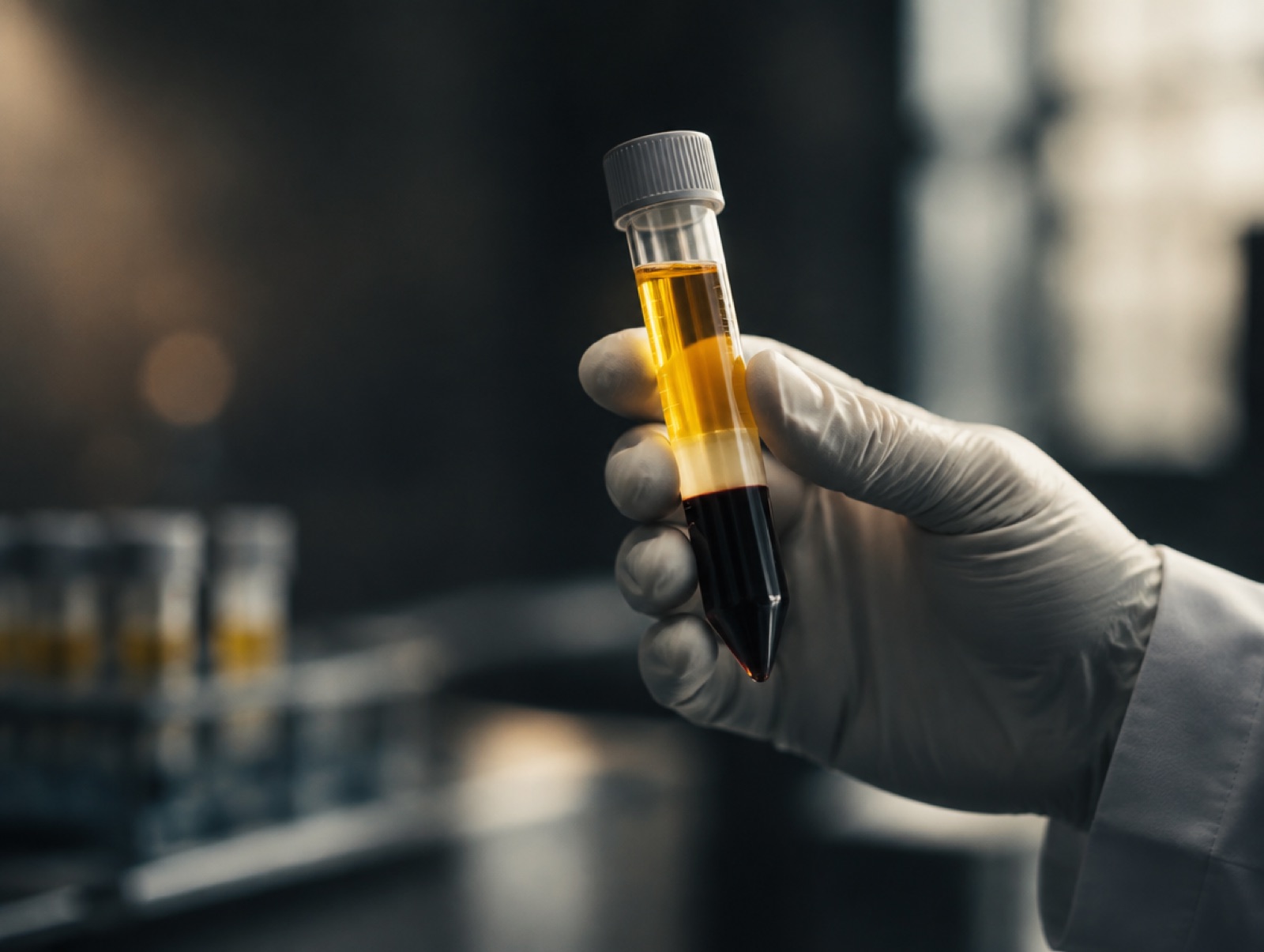 45–60 minPRP TherapyPRP therapy concentrates the platelets from a sample of your own blood and injects them into an injured tendo…Read more →
 15–45 minNerve BlockA nerve block is an injection of local anesthetic, often with a steroid, placed next to a specific nerve or c…Read more →
 Trigger Point InjectionA trigger point injection treats a knot in a muscle, a tight band that will not release and that often refers…Read more →
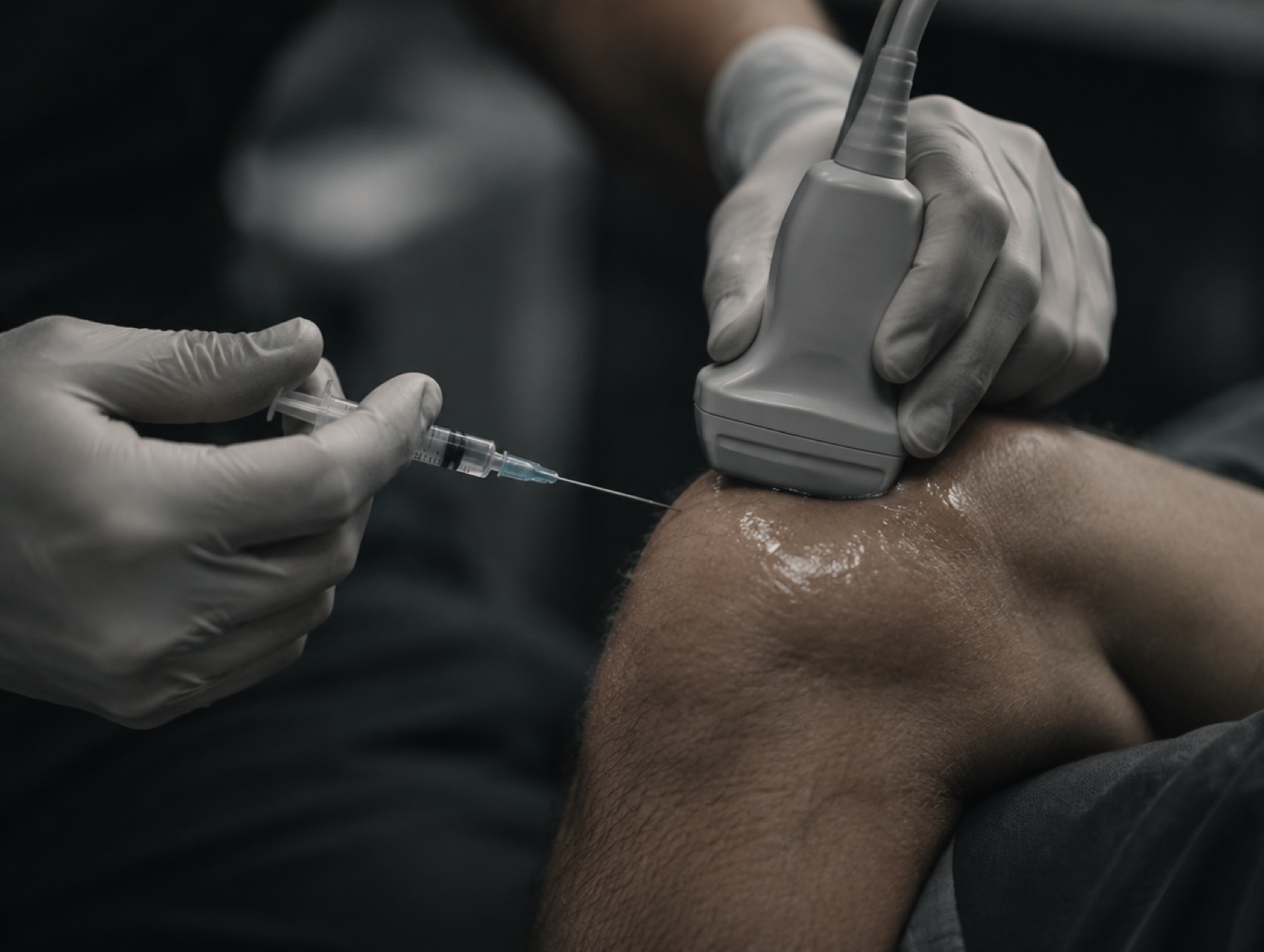 45 minJoint InjectionsA joint injection places medication directly into a painful joint, either a corticosteroid to reduce inflamma…Read more →
Questions
Golfer's Elbow (Medial Epicondylitis), answered.
Why do my last two fingers go numb?
The ulnar nerve passes through a shallow groove behind the inner bump of the elbow, right next to the tendons that are inflamed. Swelling there, or a nerve that slides over the bump when you bend the elbow, irritates it. That nerve supplies the little finger and half the ring finger, which is why the numbness follows that exact pattern. It is common enough with golfer's elbow that it should be tested for rather than assumed away.
Is golfer's elbow treated the same as tennis elbow?
The tendon part is treated the same way: relative rest from the aggravating movement, then a graded loading program, with injections or PRP for the cases that will not settle. The difference is the ulnar nerve. If nerve testing shows it is being compressed at the elbow, that has to be addressed separately with positioning, a night splint and sometimes a nerve directed injection, or the hand symptoms will persist after the tendon pain is gone.
Can I keep playing golf or keep working?
Usually yes, with changes. Reducing the number of repetitions, using a lighter grip, correcting a swing that strikes the ground first and taking breaks from sustained gripping all lower the load. Complete rest is rarely necessary and often leaves the tendon weaker. If the pain is present at rest or the grip is failing, that is the point to pull back properly.
Would a cortisone injection help?
It can settle the tendon pain for a period, but the ulnar nerve sits very close to the target and steroid can thin the tissue over the bone, so this is an injection to be selective about. It is more useful when the pain is clearly tendon rather than nerve, and when it buys you the ability to start rehabilitation. It is not something to repeat every few months.
How long does it take to settle?
Several months is typical, and six to twelve months is common in cases that have already been going on a while before anyone looks at them. Tendon remodels slowly. Where the ulnar nerve is also involved, the numbness often improves on a different timeline from the pain, sometimes faster and sometimes slower, which is why both get tracked separately.
Get a real diagnosis for golfer's elbow.
Three New Jersey offices, most insurance accepted, and a real opening on the calendar.