


Condition
Nerve Damage
Nerve damage means the nerve fiber itself, or the insulating sheath around it, has been injured by trauma, surgery, sustained compression or disease.
- Seen at
- All three offices
- Typical wait
- Within the same week
- Treated with
- 4 procedures
In short
What nerve damage actually is.
Nerve Damage
Nerve damage means the nerve fiber itself, or the insulating sheath around it, has been injured by trauma, surgery, sustained compression or disease. Nerves do regrow, but slowly, on the order of about an inch a month, and the recovery is frequently incomplete. Timing matters for testing: an EMG performed in the first two or three weeks after an injury can look normal even when the nerve is badly damaged, because the changes take that long to appear. Much of the work is controlling the pain and protecting function while the nerve recovers on its own schedule.
Symptoms
How it shows up.
If several of these sound like your week, it is worth having the source looked at properly.
- Numbness in a specific patch of skin with a border you could almost draw
- Weakness in one particular movement, such as lifting the foot or spreading the fingers
- Burning or electric pain in an area that is numb to touch
- A muscle that has visibly shrunk compared with the same one on the other side
- Pins and needles that started after a cast, a surgery or a night asleep on the arm
- Skin in that area that has stopped sweating, or nails and hair that have changed
- Pain set off by light touch, by clothing or by a bedsheet
What causes it
- Direct trauma: a fracture, a deep cut, a dislocation or a crush injury
- Stretch and traction injuries, such as a shoulder pulled hard in a fall or a car accident
- Surgical injury, where a nerve is cut, stretched or later caught in scar tissue
- Sustained compression from a tight cast, a tourniquet, positioning under anesthesia, or a disc pressing on a nerve root for months
- Disease that damages nerves, including diabetes, autoimmune conditions and chemotherapy
- Radiation to the area or an injection placed into or beside a nerve
When to act
Stop waiting when this happens.
Do not sit on these
Any one of the following is a reason to be seen rather than to wait it out.
- Weakness after an injury or an operation that has not started improving after a few weeks
- A numb patch that is getting larger rather than smaller
- Pain that is burning and electric rather than aching, since nerve pain behaves differently and needs different treatment
- Visible loss of muscle bulk, which means the damage has already moved past the waiting stage
- Complete loss of movement in a limb after trauma, which needs urgent assessment, because some nerve injuries are repaired surgically and that window does not stay open indefinitely
Diagnosis
Finding the actual source.
A diagnosis is not a guess from an image. It comes from the exam, the history and, where nerves are involved, electrodiagnostic testing.
- Pinning down the date and the mechanism of injury precisely, because timing and prognosis are both measured from that day
- A careful motor and sensory exam that identifies which nerve is involved and how far up the nerve the injury sits
- Nerve conduction studies measuring how much signal still crosses the injured segment, which separates a bruised nerve that will recover from a nerve that has lost continuity
- EMG timed appropriately, usually around three to four weeks after the injury, since testing earlier can be falsely reassuring
- Repeat testing a few months later to see whether the muscle is being reinnervated, which is often more informative than any single study
- Ultrasound or MRI of the nerve when a mass, a band of scar or a fracture fragment is suspected of compressing it
Nerve testing happens here, not elsewhere
EMG and nerve conduction studies are done in the office and read by Dr. Sheikh the same day, rather than sent out and waited on.
Treatment
How nerve damage is treated.
Ordered from the most common first step to the options reserved for pain that has not responded.
 15–45 minNerve BlockA nerve block is an injection of local anesthetic, often with a steroid, placed next to a specific nerve or c…Read more →
 15–30 minEpidural Steroid InjectionAn epidural steroid injection puts anti-inflammatory medication into the epidural space, the area just outsid…Read more →
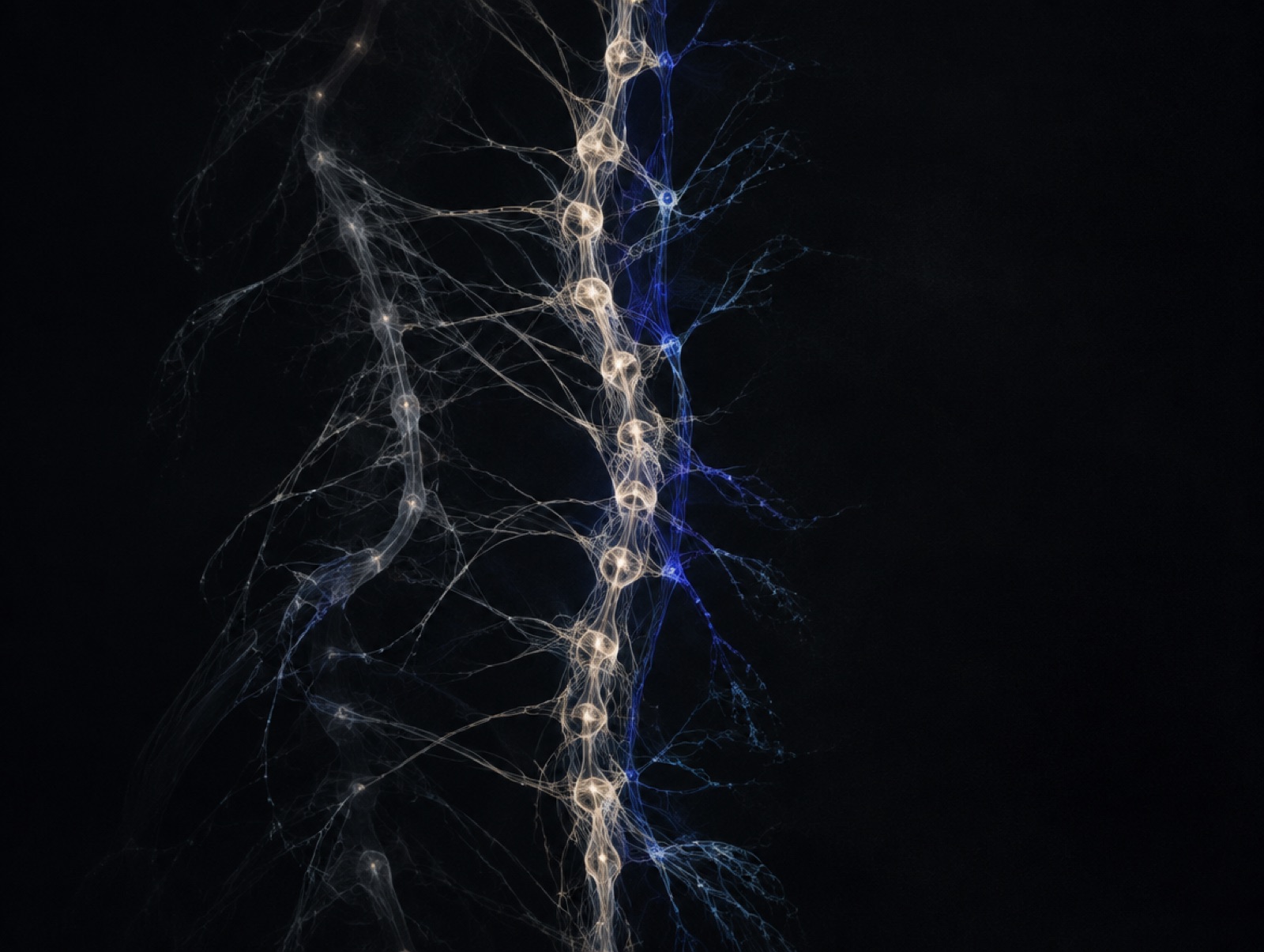 20–45 minSympathetic Nerve BlocksA sympathetic nerve block targets the sympathetic nervous system, the automatic network that controls blood f…Read more →
 30–45 minSpinal Cord StimulationSpinal cord stimulation uses mild electrical pulses delivered through thin wires placed near the spinal cord…Read more →
Questions
Nerve Damage, answered.
Can damaged nerves heal?
Often, partly. If the nerve is bruised or compressed but still continuous, recovery is common once the pressure is off. If the nerve fibers have been torn or cut, regrowth has to travel the whole distance from the injury to the muscle or skin, and the result is usually incomplete. Nerve conduction testing is what distinguishes the two.
How long does nerve recovery take?
Regrowing nerve advances roughly an inch a month, so the distance from the injury to the target tissue sets the timeline. A nerve injured at the elbow may take several months to reach the hand. Recovery beyond about eighteen to twenty four months is unusual, because the muscle itself stops accepting new connections.
Why was my EMG normal right after the injury?
The electrical changes that mark nerve damage take two to three weeks to develop in the muscle. A study done in the first days after an injury can look clean even when the nerve is severely damaged. That is why testing is usually scheduled at about three to four weeks, and repeated later to track recovery.
Why does a numb area hurt?
It sounds contradictory, but it is typical of nerve injury. The fibers carrying normal sensation are damaged, which causes the numbness, while the damaged fibers themselves fire spontaneously, which causes burning and electric pain. The pain is coming from the injured nerve, not from anything wrong with the skin.
Can anything speed up nerve recovery?
Nothing reliably makes a nerve regrow faster. What can be done is remove whatever is still compressing it, keep the joints moving and the muscle from wasting while you wait, and treat the pain so you can stay functional. Be skeptical of anything sold as a nerve regeneration cure.
Get a real diagnosis for nerve damage.
Three New Jersey offices, most insurance accepted, and a real opening on the calendar.