

Condition
Reflex Sympathetic Dystrophy (CRPS)
Reflex sympathetic dystrophy, now usually called complex regional pain syndrome, is severe burning pain in an arm or leg that is far out of proportion to the injury that started i…
- Seen at
- All three offices
- Typical wait
- Within the same week
- Treated with
- 4 procedures
In short
What rsd / crps actually is.
Reflex Sympathetic Dystrophy (CRPS)
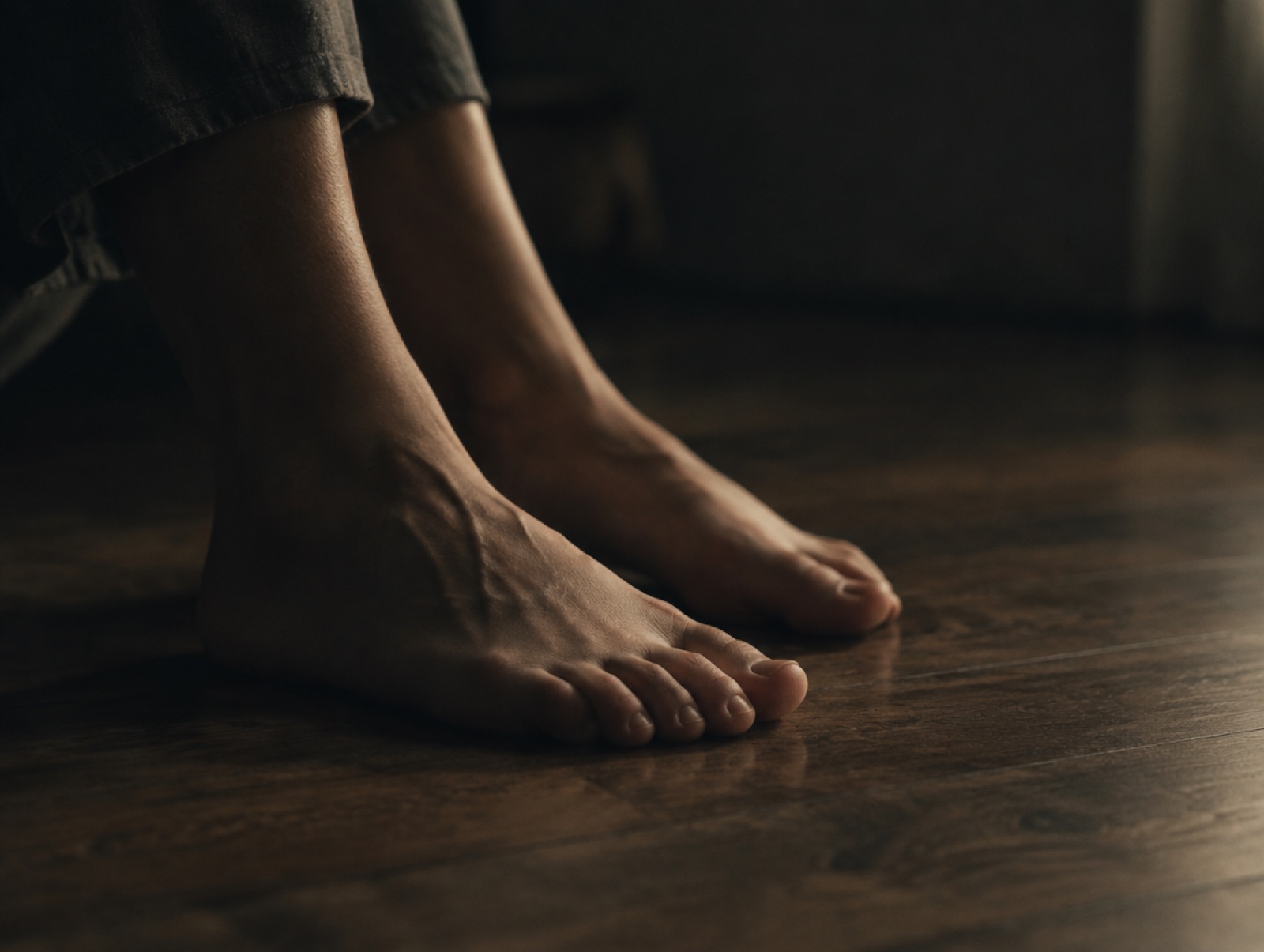
Reflex sympathetic dystrophy, now usually called complex regional pain syndrome, is severe burning pain in an arm or leg that is far out of proportion to the injury that started it. Along with the pain the limb itself changes: colour, temperature, sweating, swelling and the growth of hair and nails all become different from the other side. It typically follows something modest, a sprain, a fracture or a routine operation, and it does not settle on the timeline that injury should. Early treatment matters a great deal, because the syndrome becomes considerably harder to reverse once it has been established for many months.
Symptoms
How it shows up.
If several of these sound like your week, it is worth having the source looked at properly.
- Constant burning pain in a hand, foot, arm or leg that is worse than the original injury deserved
- The limb changing colour, going red, purple or blotchy, and shifting through the day
- One hand or foot that is noticeably warmer or colder than the other
- Swelling that never fully goes down, and skin that sweats more or less than the other side
- Pain from a bedsheet, a sock or a breeze from a fan
- Hair and nails on that limb growing faster, slower or coarser than before
- Stiffness, lost motion and a strong instinct to protect the limb and stop using it
What causes it
- A fracture, sprain or crush injury to the limb, which is the most common trigger
- Surgery on the limb, including routine procedures such as a carpal tunnel release
- Long immobilization in a cast or a splint after an injury
- An injury to a nerve in that limb, which defines one of the two recognized types
- Minor trauma with no significant injury at all, which happens often enough to be well recognized
- Less commonly a stroke or a heart attack preceding the symptoms in a limb
When to act
Stop waiting when this happens.
Do not sit on these
Any one of the following is a reason to be seen rather than to wait it out.
- Pain after an injury is getting worse rather than better at three to four weeks
- The limb has started changing colour or temperature compared with the other side
- You cannot tolerate touch, clothing or the shower spray on that limb
- You have stopped using the limb, which speeds up the stiffness and makes the whole syndrome harder to treat
- Any of the above at all, since this is a condition where weeks matter and referral should not wait for somebody to be certain of the diagnosis
Diagnosis
Finding the actual source.
A diagnosis is not a guess from an image. It comes from the exam, the history and, where nerves are involved, electrodiagnostic testing.
- A clinical diagnosis made against defined criteria, since no single blood test or scan proves it
- Comparing the two limbs directly for temperature, colour, swelling, sweating and hair and nail growth, ideally at more than one visit because the findings shift
- Documenting allodynia, which is pain from touch that should not hurt, and hyperalgesia, which is exaggerated pain from a mild pinprick
- EMG and nerve conduction studies to identify or exclude an underlying nerve injury, which separates the two types and can change the plan
- X-ray or bone scan for the patchy bone changes that sometimes accompany it, plus imaging to rule out a missed fracture, infection or clot
- A diagnostic sympathetic block, where meaningful relief supports the diagnosis and identifies who is likely to benefit from a series
Nerve testing happens here, not elsewhere
EMG and nerve conduction studies are done in the office and read by Dr. Sheikh the same day, rather than sent out and waited on.
Treatment
How rsd / crps is treated.
Ordered from the most common first step to the options reserved for pain that has not responded.
 20–45 minSympathetic Nerve BlocksA sympathetic nerve block targets the sympathetic nervous system, the automatic network that controls blood f…Read more →
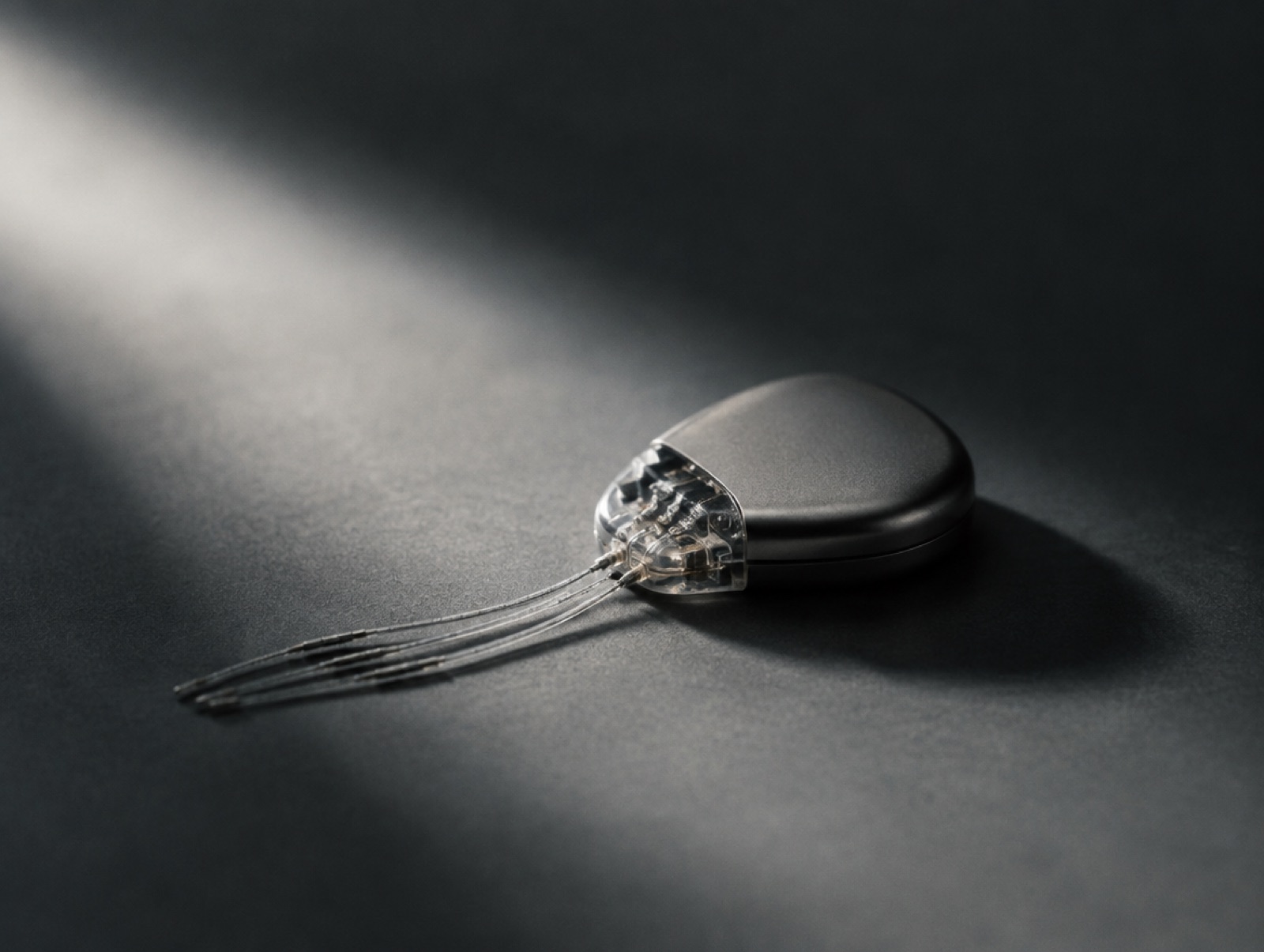 30–45 minSpinal Cord StimulationSpinal cord stimulation uses mild electrical pulses delivered through thin wires placed near the spinal cord…Read more →
 15–45 minNerve BlockA nerve block is an injection of local anesthetic, often with a steroid, placed next to a specific nerve or c…Read more →
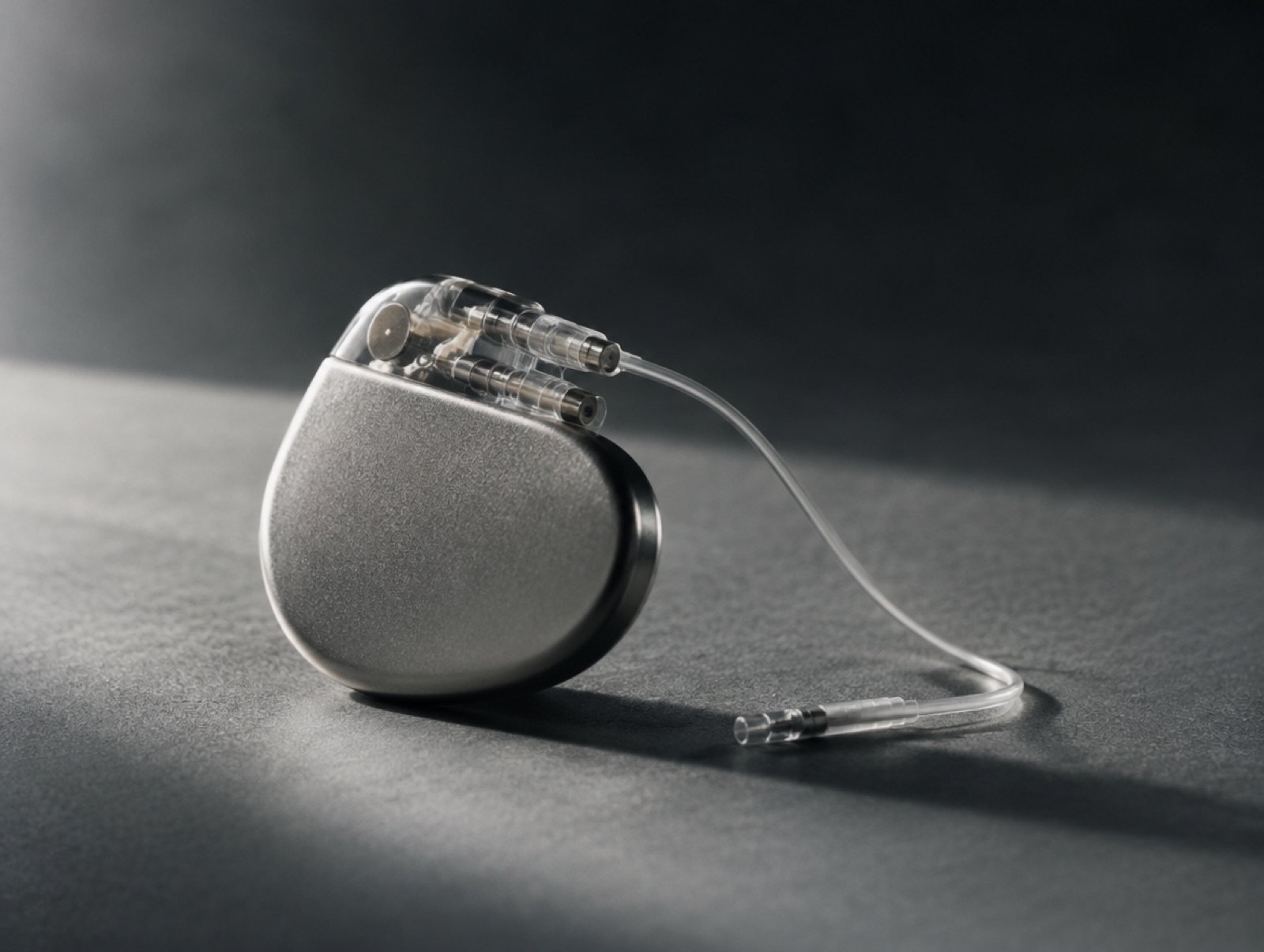 Under an hourIntrathecal Pain PumpsAn intrathecal pump is a small device implanted under the skin of the abdomen that delivers pain medication t…Read more →
Questions
Reflex Sympathetic Dystrophy (CRPS), answered.
Is CRPS the same thing as RSD?
Yes. Reflex sympathetic dystrophy is the older name and complex regional pain syndrome is the current one. The name changed because the condition turned out to involve more than the sympathetic nervous system alone. Type one follows an injury with no identified nerve damage, and type two follows a confirmed nerve injury.
How do sympathetic blocks help?
The sympathetic nerves running alongside the spine control blood flow, sweating and temperature in the limb, and in this condition they are driving part of the pain. Numbing them with a stellate ganglion block for an arm or a lumbar sympathetic block for a leg can interrupt that cycle. Relief from the first block guides whether a series is worth doing.
Can CRPS be cured?
Some people recover fully, particularly when it is caught in the first few months and treated actively. Others are left with ongoing pain that has to be managed rather than eliminated. That gap is the whole argument for early referral. Nobody should be told to wait and see how it looks in six months.
Why does physical therapy matter so much here?
Because the limb loses function fast when it is not used, and that loss feeds the pain. Desensitization and graded movement are central to treatment, not an optional extra. Blocks exist in large part to reduce the pain enough that you can actually do the therapy, which is where the durable gains come from.
When is spinal cord stimulation considered?
Usually when the pain has persisted despite blocks, medication and therapy. A lead is placed temporarily first, so you can judge the relief over several days before anything is implanted. It has one of its better track records in this condition, but it manages pain rather than reversing the syndrome, and it is not right for everyone.
Get a real diagnosis for rsd / crps.
Three New Jersey offices, most insurance accepted, and a real opening on the calendar.