


Condition
Shingles and Postherpetic Neuralgia
Shingles is the chickenpox virus reactivating inside a single nerve root, producing a painful, burning rash in a band on one side of the body.
- Seen at
- All three offices
- Typical wait
- Within the same week
- Treated with
- 4 procedures
In short
What shingles actually is.
Shingles and Postherpetic Neuralgia
Shingles is the chickenpox virus reactivating inside a single nerve root, producing a painful, burning rash in a band on one side of the body. In some people the rash heals and the pain does not, which is postherpetic neuralgia. Antiviral medication started within the first seventy two hours is what shortens the illness, and that prescription comes from your primary care or urgent care rather than from a pain specialist. What this practice treats is the pain, both during the acute phase and when it persists afterward.
Symptoms
How it shows up.
If several of these sound like your week, it is worth having the source looked at properly.
- Burning, itching or deep pain in a band on one side, often for days before any rash appears
- A stripe of blisters that stops abruptly at the midline of the body
- Stabbing or electric pain running through that same band
- Skin that hurts from a shirt, a waistband or a bedsheet long after the rash has healed
- A constant burning or deep ache where the rash used to be
- Numbness mixed into the same patch of skin that hurts
- Severe itching that scratching does nothing for
What causes it
- Reactivation of the varicella zoster virus, which has been dormant in a nerve root since childhood chickenpox
- Age, since the immune system's control of the dormant virus weakens over the years
- A weakened immune system from illness, chemotherapy, steroids or immune suppressing medication
- Physical or emotional stress, or another illness, acting as the trigger
- Damage to the nerve from the inflammation itself, which is what leaves postherpetic neuralgia behind
- Delayed antiviral treatment, which is associated with more severe and longer lasting nerve pain
When to act
Stop waiting when this happens.
Do not sit on these
Any one of the following is a reason to be seen rather than to wait it out.
- A shingles rash or pain near the eye, on the forehead or on the tip of the nose, which needs same day ophthalmology because shingles can threaten sight
- A new rash within the last three days, which needs antiviral medication now from your primary care or urgent care rather than an appointment next week
- Pain that is still there after the rash has fully crusted over and healed
- Shingles with facial weakness, hearing change, severe headache, confusion or a rash spreading well beyond one band, all of which need urgent care
- Pain severe enough to disturb your sleep during the acute phase, since treating it aggressively early is associated with a lower chance of lasting nerve pain
Diagnosis
Finding the actual source.
A diagnosis is not a guess from an image. It comes from the exam, the history and, where nerves are involved, electrodiagnostic testing.
- Recognizing the band like distribution, which follows one nerve root and stops at the midline
- A clinical diagnosis in most cases, with swab testing of a blister reserved for presentations that do not look typical
- Distinguishing ongoing skin healing from postherpetic neuralgia by checking whether the painful area still matches that nerve territory
- Testing for allodynia, where light touch on healed skin causes pain, which is the hallmark of the persistent form
- Checking for weakness, since shingles occasionally affects the motor fibers of the same nerve root
- Coordination with your primary care physician on antiviral treatment, immune status and vaccination, which sit outside pain management
Nerve testing happens here, not elsewhere
EMG and nerve conduction studies are done in the office and read by Dr. Sheikh the same day, rather than sent out and waited on.
Treatment
How shingles is treated.
Ordered from the most common first step to the options reserved for pain that has not responded.
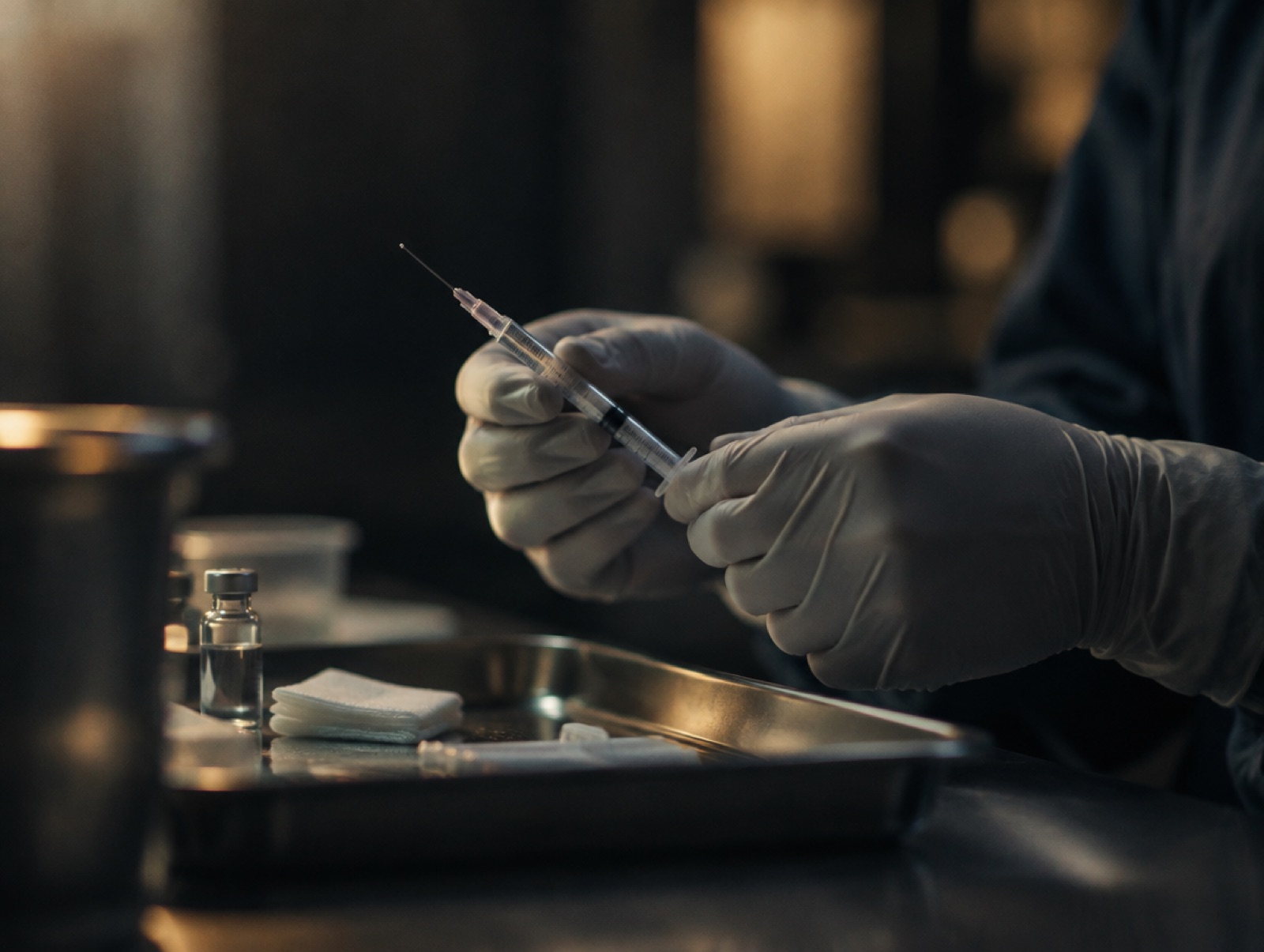 15–45 minNerve BlockA nerve block is an injection of local anesthetic, often with a steroid, placed next to a specific nerve or c…Read more →
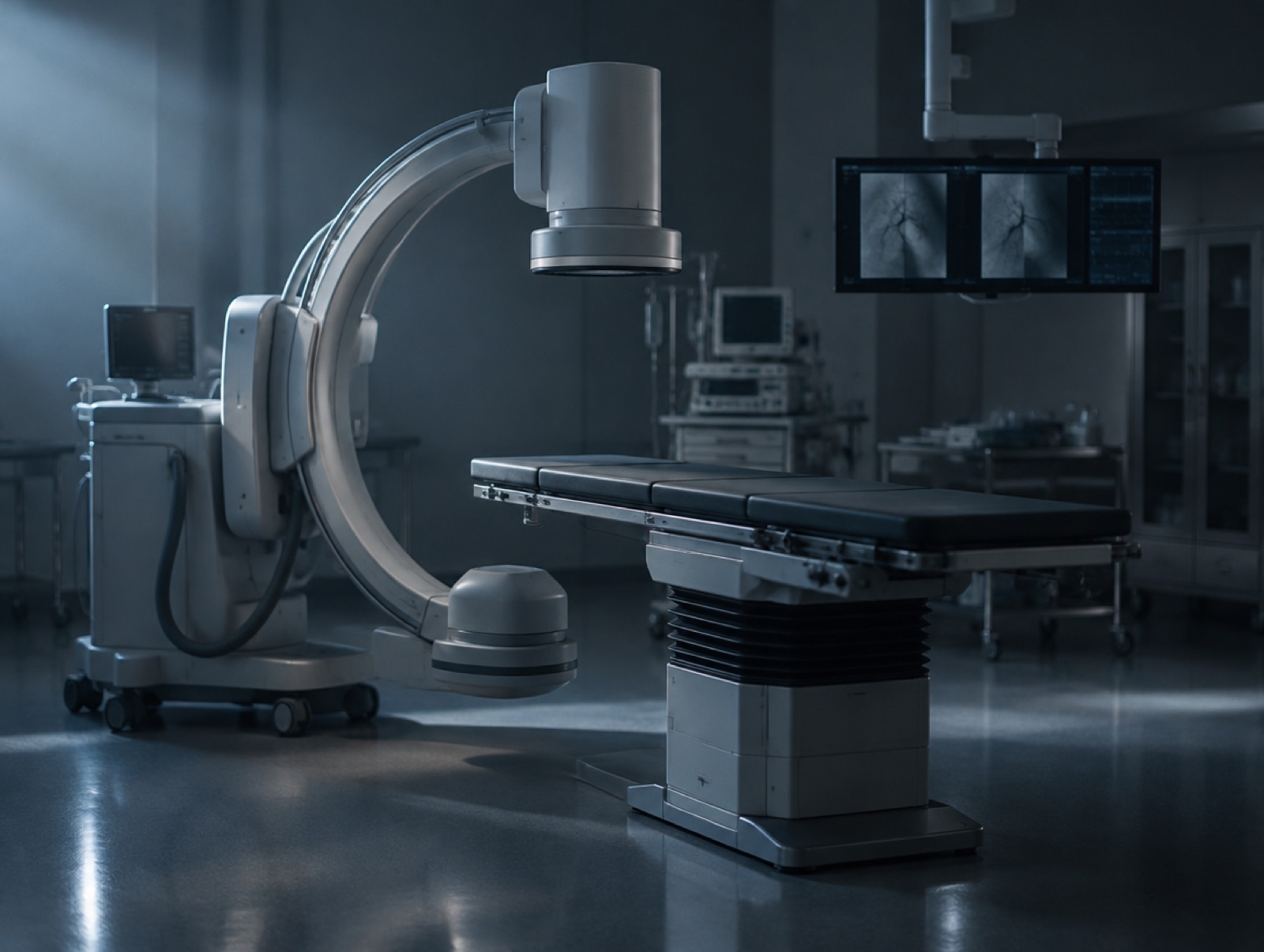 15–30 minEpidural Steroid InjectionAn epidural steroid injection puts anti-inflammatory medication into the epidural space, the area just outsid…Read more →
 20–45 minSympathetic Nerve BlocksA sympathetic nerve block targets the sympathetic nervous system, the automatic network that controls blood f…Read more →
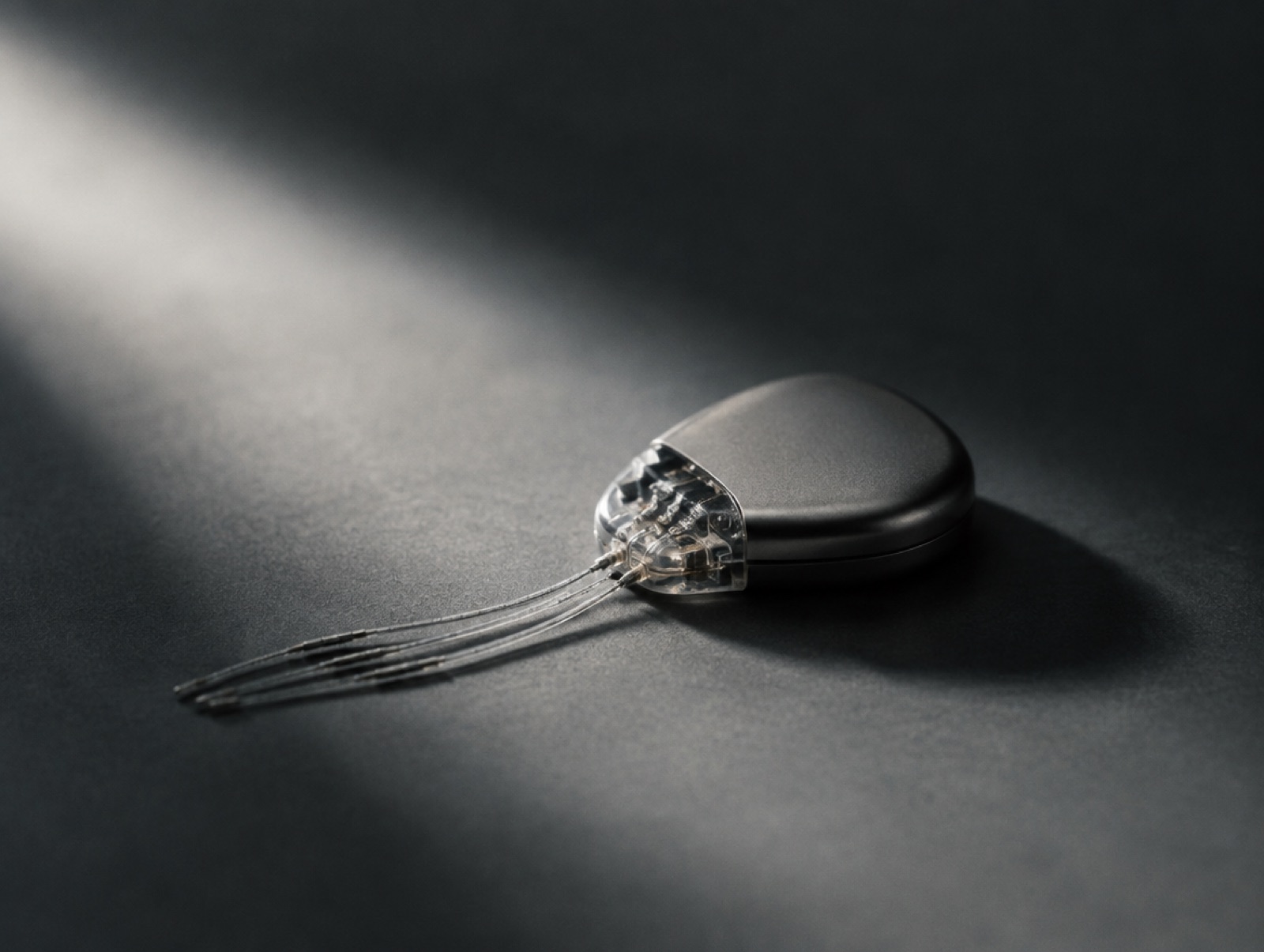 30–45 minSpinal Cord StimulationSpinal cord stimulation uses mild electrical pulses delivered through thin wires placed near the spinal cord…Read more →
Questions
Shingles and Postherpetic Neuralgia, answered.
Is shingles near the eye really an emergency?
Yes. Shingles involving the ophthalmic branch of the trigeminal nerve can inflame the cornea and the deeper structures of the eye and can cause permanent vision loss. A rash on the forehead, eyelid or tip of the nose is the warning sign. That needs an ophthalmologist the same day, not a pain appointment.
Why does the pain continue after the rash is gone?
Because the damage is in the nerve, not the skin. The virus inflames and injures the nerve root and the nerve leaving it, and an injured nerve keeps firing pain signals even once the skin has healed completely. That is postherpetic neuralgia, and it is why the affected skin can look entirely normal and still hurt to touch.
What can be done for postherpetic neuralgia?
Nerve blocks and epidural steroid injections aimed at the affected root can reduce the pain, and are most effective the earlier they are used. Sympathetic blocks help some patterns. Medications for nerve pain are part of the plan as well. Relief is often substantial but partial, and long standing cases are harder to treat than recent ones.
Is shingles contagious?
You cannot give someone shingles, but the fluid in the blisters carries the virus and can give chickenpox to a person who has never had it or been vaccinated. Keep the rash covered and stay away from newborns, pregnant women and anyone immune compromised until it has crusted over. Once every blister has crusted, you are no longer contagious.
Should I get the shingles vaccine?
That is a conversation for your primary care physician, who knows your age, immune status and history. Vaccination is aimed at preventing a future episode and at reducing the severity if one occurs. It is not a treatment for a rash you already have, and it is not something offered here.
Get a real diagnosis for shingles.
Three New Jersey offices, most insurance accepted, and a real opening on the calendar.