


Condition
Tendonitis
Tendonitis is pain and irritation where a tendon attaches muscle to bone, most often at the elbow, shoulder, wrist, knee or heel.
- Seen at
- All three offices
- Typical wait
- Within the same week
- Treated with
- 3 procedures
In short
What tendonitis actually is.
Tendonitis
Tendonitis is pain and irritation where a tendon attaches muscle to bone, most often at the elbow, shoulder, wrist, knee or heel. The important nuance is that once the problem has lasted more than a few weeks, what is actually in the tendon is usually not active inflammation but degeneration of the collagen fibers, a condition called tendinosis. That is why rest and anti-inflammatories so often disappoint people. It is also why the treatments that work are the ones that load and remodel the tendon rather than the ones that only calm inflammation.
Symptoms
How it shows up.
If several of these sound like your week, it is worth having the source looked at properly.
- A pinpoint sore spot right where the tendon meets the bone
- Pain at the start of activity that eases as you warm up, then returns worse hours later
- Pain gripping a kettle, turning a doorknob or shaking someone's hand
- Stiffness and pain in the heel for the first few steps out of bed in the morning
- Pain going down stairs, or landing from a jump
- A creaking or grating feeling under the skin as the tendon moves
- A thickened band along the tendon that you can feel with your fingers
What causes it
- A jump in training or workload that the tendon was not conditioned for
- Repetitive gripping, lifting or overhead work over months or years
- Weakness or poor mechanics further up the chain, which loads the tendon in the wrong direction
- Age related decline in tendon blood supply and collagen quality
- Fluoroquinolone antibiotics and corticosteroid use, both of which can weaken tendon tissue
- Diabetes, thyroid disease and inflammatory arthritis, all of which affect tendon health directly
When to act
Stop waiting when this happens.
Do not sit on these
Any one of the following is a reason to be seen rather than to wait it out.
- Pain has lasted more than six weeks despite rest and changing what you do
- Anti-inflammatories are not touching it, which usually means the problem is degenerative rather than inflammatory
- You felt a pop or a snap and lost strength, which suggests a rupture and needs prompt assessment
- The pain is now present at rest or at night rather than only with activity
- You have already had steroid injected into the same tendon and the pain keeps coming back
Diagnosis
Finding the actual source.
A diagnosis is not a guess from an image. It comes from the exam, the history and, where nerves are involved, electrodiagnostic testing.
- Locating the tender point precisely, since tendon pain sits over the tendon itself rather than in the joint line
- Resisted testing of that one tendon, which reproduces the pain and identifies exactly which structure is involved
- Ultrasound imaging, which shows tendon thickening, loss of the normal fiber pattern and new blood vessel growth, and distinguishes tendinosis from a partial tear
- Specific rupture testing such as the calf squeeze for the Achilles, because a complete tear is a surgical question and not an injection question
- Reviewing your medication list and medical history for fluoroquinolones, steroid exposure, diabetes and thyroid disease
- MRI when a partial tear is suspected or when the choice between injection and surgery depends on how much intact tendon is left
Nerve testing happens here, not elsewhere
EMG and nerve conduction studies are done in the office and read by Dr. Sheikh the same day, rather than sent out and waited on.
Treatment
How tendonitis is treated.
Ordered from the most common first step to the options reserved for pain that has not responded.
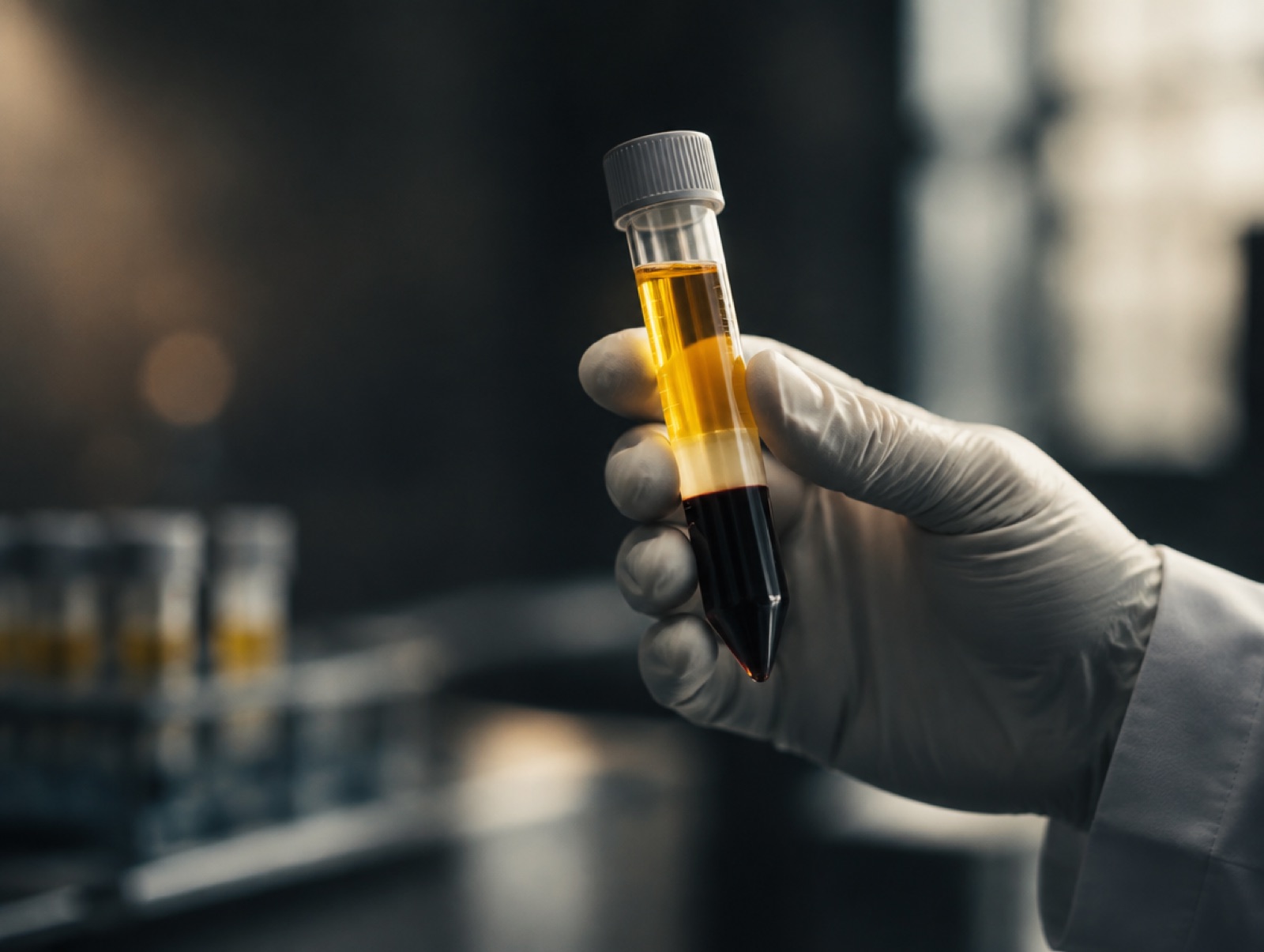 45–60 minPRP TherapyPRP therapy concentrates the platelets from a sample of your own blood and injects them into an injured tendo…Read more →
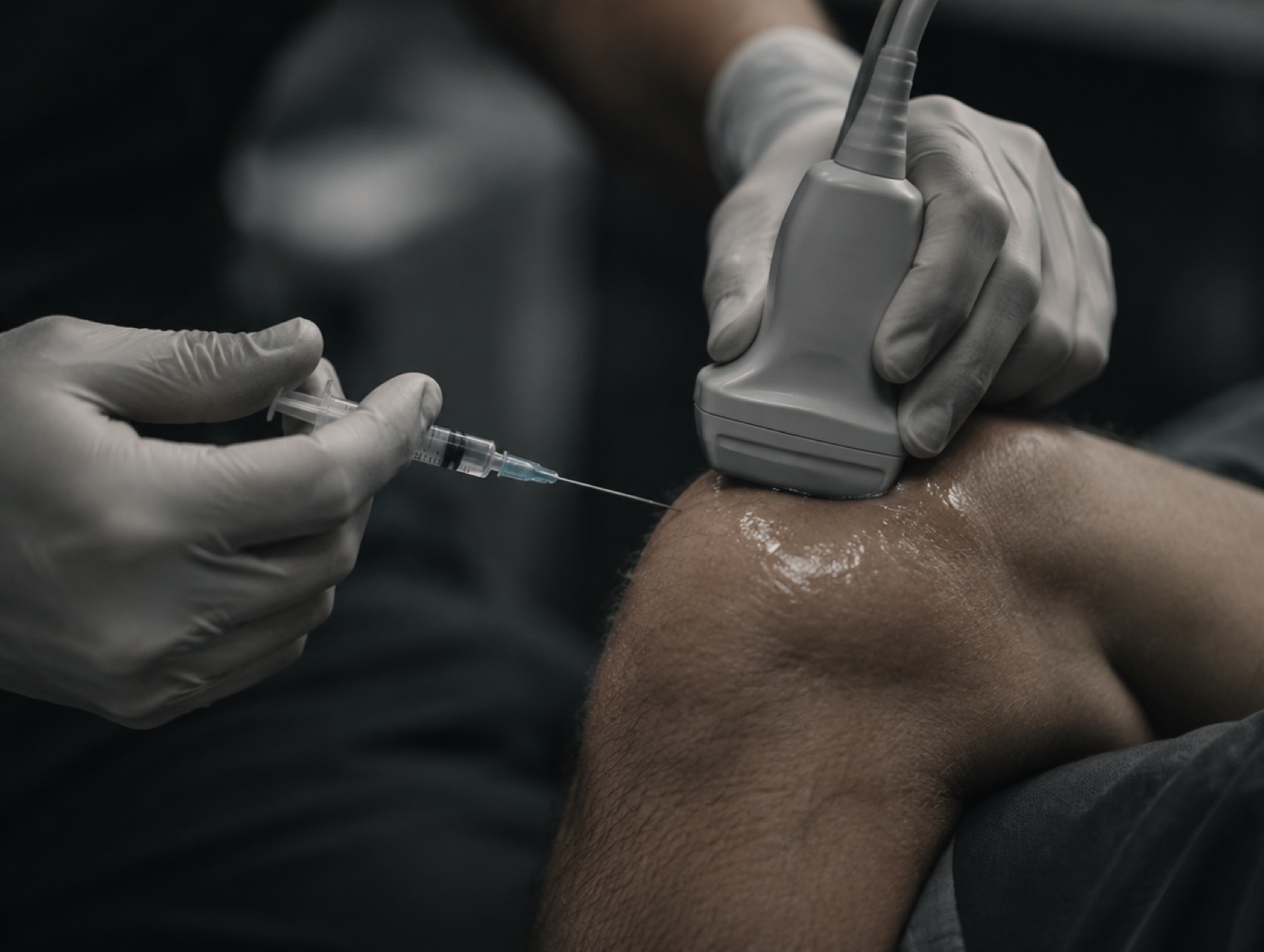 45 minJoint InjectionsA joint injection places medication directly into a painful joint, either a corticosteroid to reduce inflamma…Read more →
 Trigger Point InjectionA trigger point injection treats a knot in a muscle, a tight band that will not release and that often refers…Read more →
Questions
Tendonitis, answered.
Why are anti-inflammatories not helping?
Because in most chronic cases there is very little inflammation left to treat. Under a microscope, a tendon that has hurt for months shows disorganized collagen and failed healing rather than inflammatory cells, which is tendinosis rather than tendonitis. Anti-inflammatories can take the edge off the pain but they do not change the tissue. Progressive loading does, which is why a structured strengthening program is the backbone of treatment.
Is a cortisone shot safe for a tendon?
It depends on which tendon and how many times. Steroid injected repeatedly into a weight bearing tendon such as the Achilles or the patellar tendon can weaken the collagen and carries a real risk of rupture, so that is a limit worth stating plainly. Around a tendon sheath or into a neighboring bursa the risk profile is different and the injection can be genuinely useful. When the tendon itself is the problem, loading and PRP are usually the better path.
How long does a tendon take to heal?
Longer than most people expect. Tendon has a poor blood supply and remodels slowly, so three to six months of consistent loading work is a realistic timeline for a chronic case. You should see steady improvement along the way rather than a sudden fix. The people who recover fastest are the ones who keep loading the tendon at a tolerable level instead of resting it completely.
Does PRP work for tendon problems?
The evidence is strongest for chronic tendon pain that has already failed several months of proper loading work, such as tennis elbow and patellar tendinopathy. It uses concentrated platelets from your own blood to stimulate a repair response, takes several weeks to show an effect, and is usually not covered by insurance. It is not a replacement for rehabilitation, it is something that makes rehabilitation work better.
Should I rest it completely?
No. Complete rest lets pain settle and lets the tendon get weaker, so the pain returns as soon as you go back to what you were doing. The better approach is to reduce the load to a level the tendon tolerates, then build it back up deliberately. The exception is a suspected rupture or a stress reaction in nearby bone, which does need to be offloaded until it is assessed.
Get a real diagnosis for tendonitis.
Three New Jersey offices, most insurance accepted, and a real opening on the calendar.