


Condition
Cancer Pain
Cancer pain is pain caused by a tumor itself, by its spread into bone or nerve, or by the treatments used against it.
- Seen at
- All three offices
- Typical wait
- Within the same week
- Treated with
- 4 procedures
In short
What cancer pain actually is.
Cancer Pain
Cancer pain is pain caused by a tumor itself, by its spread into bone or nerve, or by the treatments used against it. Dr. Sheikh is not an oncologist and does not treat cancer. His role is narrower and specific: to control the pain so you can eat, sleep, move and stay on the treatment your oncology team has planned. When medication alone is not enough, or the dose it takes to get comfortable leaves you too sedated or too nauseated to function, there are procedures that interrupt the pain signal directly.
Symptoms
How it shows up.
If several of these sound like your week, it is worth having the source looked at properly.
- A deep constant ache in one spot of bone that is worse at night and does not change much with position
- Burning, tingling or numbness in the hands and feet that began during or after chemotherapy
- Sudden stabbing pain that breaks through on top of the medication that usually holds
- A gnawing pain in the upper abdomen that bores straight through to the middle of the back
- Pain along a surgical scar or an old radiation field long after the skin has healed
- Being drowsy, constipated or sick to your stomach from the dose of medication it takes to control the pain
- Pain that has taken over the day, so that eating, sleeping and getting out of a chair are all built around it
What causes it
- A tumor growing into or pressing on bone, which is the most common source of severe cancer pain
- A tumor pressing on or invading a nerve, a nerve plexus or the spinal cord
- Chemotherapy-induced peripheral neuropathy, most often from platinum drugs, taxanes and vinca agents
- Pain after surgery, where nerves divided during the operation stay painful long after the wound has healed
- Radiation changes in tissue and nerve, which can appear months or even years after treatment ended
- Pressure from tumors of the pancreas, stomach or liver, carried by the nerves of the celiac plexus and felt in the upper abdomen and back
When to act
Stop waiting when this happens.
Do not sit on these
Any one of the following is a reason to be seen rather than to wait it out.
- New or worsening back pain in someone with cancer, especially with leg weakness, numbness in the groin or inner thighs, or any change in bowel or bladder control, can mean the spinal cord is being compressed and needs emergency care the same day
- The dose of medication it takes to control your pain leaves you too sedated, confused or constipated to function
- Pain is breaking through between doses, or a regimen that worked a month ago no longer holds
- Pain is interfering with eating, sleeping or completing the oncology treatment you are scheduled for
- Chemotherapy has left burning or numbness in the hands or feet that has not settled since treatment finished
Diagnosis
Finding the actual source.
A diagnosis is not a guess from an image. It comes from the exam, the history and, where nerves are involved, electrodiagnostic testing.
- A separate account of each pain you have, since most people with cancer have more than one, they rarely come from the same place, and they do not respond to the same thing
- Separating pain that aches in one localized spot, which usually means bone, from pain that burns, shoots or numbs, which means nerve, because the medications and procedures differ
- Reviewing your imaging and records and coordinating with your oncology team, so that pain treatment is planned around what the disease is doing and what treatment is coming next
- A neurological exam of strength, sensation and reflexes, with urgent imaging when the findings raise the possibility of spinal cord compression
- An honest accounting of what the current medication is doing: how long each dose holds, how many breakthrough doses you use in a day, and what side effects it is costing you
- A diagnostic block with local anesthetic before any longer lasting procedure, so that the relief it produces shows whether a neurolytic block or a pump is likely to help you
Nerve testing happens here, not elsewhere
EMG and nerve conduction studies are done in the office and read by Dr. Sheikh the same day, rather than sent out and waited on.
Treatment
How cancer pain is treated.
Ordered from the most common first step to the options reserved for pain that has not responded.
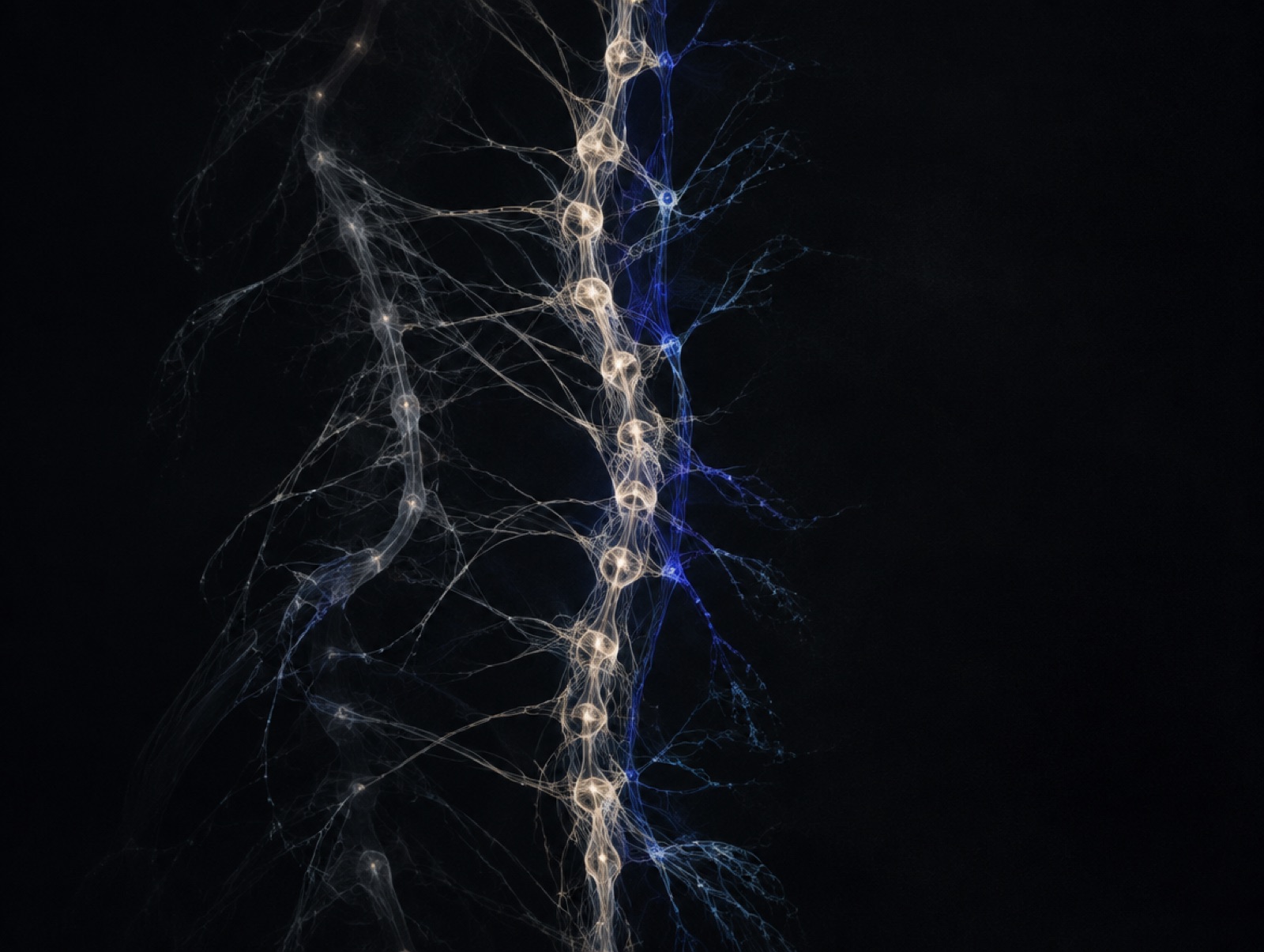 20–45 minSympathetic Nerve BlocksA sympathetic nerve block targets the sympathetic nervous system, the automatic network that controls blood f…Read more →
 15–20 minChemical NeurolysisChemical neurolysis uses a chemical agent, such as Botox, phenol or alcohol, to stop a nerve from transmittin…Read more →
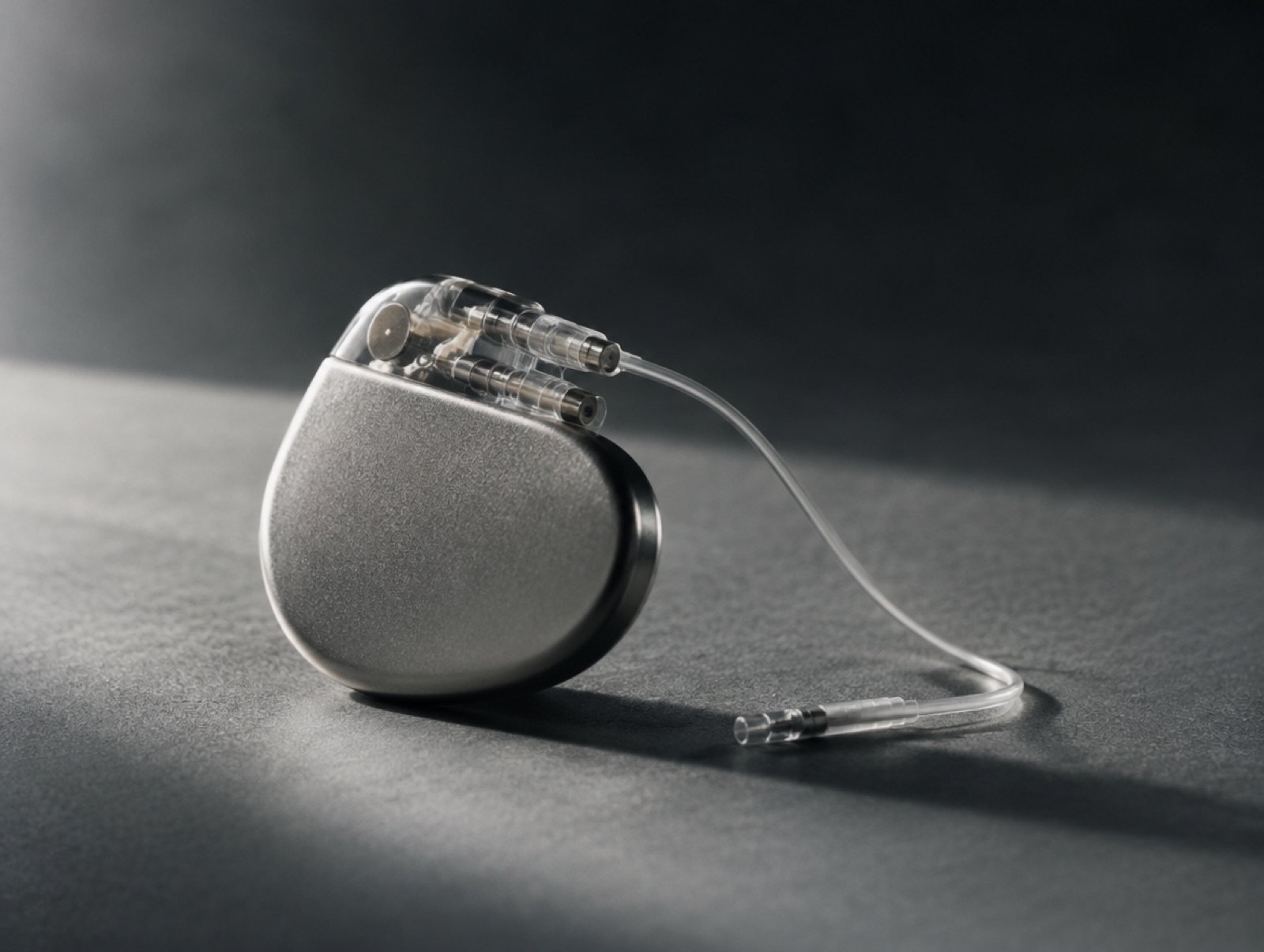 Under an hourIntrathecal Pain PumpsAn intrathecal pump is a small device implanted under the skin of the abdomen that delivers pain medication t…Read more →
 15–45 minNerve BlockA nerve block is an injection of local anesthetic, often with a steroid, placed next to a specific nerve or c…Read more →
Questions
Cancer Pain, answered.
Does this replace my oncologist?
No. Your oncologist treats the cancer and that does not change. Dr. Sheikh treats the pain, and the two run alongside each other. Pain control is coordinated with your oncology team so that nothing interferes with chemotherapy, radiation or surgery that is planned. Nothing done here has any effect on the cancer itself.
What is a celiac plexus block?
The celiac plexus is a bundle of nerves behind the stomach that carries pain from the pancreas, liver, stomach and upper intestine. A block places local anesthetic there under X-ray guidance to interrupt those signals, and if it works, the same site can be treated with a neurolytic agent for longer lasting relief. It is most often used for pancreatic and other upper abdominal cancer pain. Many patients are able to reduce their opioid dose afterward, though it does not help everyone and it does not always remove the pain entirely.
Will I become addicted to pain medication?
Physical dependence and addiction are not the same thing, and in cancer pain the distinction matters. Taking an opioid regularly means your body adjusts to it, which is expected and manageable. Addiction, meaning compulsive use that damages your life, is a different problem and is uncommon when medication is prescribed and monitored properly for real pain. The more frequent practical problems are sedation, constipation and needing a rising dose, and those are among the reasons interventional options exist.
What is an intrathecal pump?
It is a small pump placed under the skin of the abdomen with a fine catheter into the fluid around the spinal cord. Because the medication is delivered directly to where pain signals arrive, the dose needed is a tiny fraction of what you swallow, which usually means far less sedation, nausea and constipation. A trial is done first, and the pump is only implanted if that trial gives you meaningful relief. It is generally considered when pain is not controlled by medication or when the side effects have become intolerable.
Can anything be done about nerve damage from chemotherapy?
Something can usually be done, though honesty matters here: the burning and numbness in the hands and feet often improve slowly over months and sometimes do not fully resolve. Treatment focuses on medications aimed at nerve pain, protecting the feet and hands from injury while sensation is reduced, and sympathetic blocks when the pain has a strong burning, temperature sensitive quality. Your oncology team should also know, because dose adjustments during treatment can limit further damage. The goal is to make it livable rather than to promise it will disappear.
Get a real diagnosis for cancer pain.
Three New Jersey offices, most insurance accepted, and a real opening on the calendar.