


Condition
Multiple Sclerosis Pain
Multiple sclerosis is managed by a neurologist, and Dr.
- Seen at
- All three offices
- Typical wait
- Within the same week
- Treated with
- 4 procedures
In short
What ms pain actually is.
Multiple Sclerosis Pain
Multiple sclerosis is managed by a neurologist, and Dr. Sheikh does not diagnose or treat the disease itself. What he treats is the pain and the spasticity that come with it, working alongside the neurologist who is managing your MS. That pain is real and often under-addressed: burning nerve pain in the limbs and trunk, painful muscle spasms, stabbing facial pain, and the back, hip and shoulder pain that builds up from years of walking differently. Managing the pain is a separate job from managing the disease, and the two run in parallel.
Symptoms
How it shows up.
If several of these sound like your week, it is worth having the source looked at properly.
- Burning, squeezing or electric pain in the legs or trunk that no position relieves
- A tight band feeling around the chest or the waist
- Sudden stabbing pain in one side of the face, set off by chewing, talking or cold air
- Painful spasms that pull a leg straight or draw it up, often worst at night
- Stiffness and heaviness in the legs that makes every step hard work
- Low back, hip and shoulder pain from limping or from leaning on a cane or wheelchair
- Electric shocks running down the spine when you bend your neck forward
What causes it
- Damage to nerve pathways in the brain and spinal cord, which produces pain with nothing wrong in the part of the body that hurts
- Spasticity, where muscles stay contracted and the spasms themselves become painful
- Trigeminal neuralgia arising from a lesion where the facial nerve enters the brainstem
- Changed walking mechanics loading the back, hips and knees in ways they were not built for
- Long periods sitting or lying in one position, producing pressure pain and joint stiffness
- Overusing the arms and shoulders when a walker, a cane or a wheelchair is doing the work of the legs
When to act
Stop waiting when this happens.
Do not sit on these
Any one of the following is a reason to be seen rather than to wait it out.
- Pain is not controlled by what your neurologist has already prescribed
- Spasms are breaking up your sleep or making transfers and walking unsafe
- You have stabbing facial pain, which responds to specific treatment and should not be endured
- Back, hip or shoulder pain has become the thing limiting your activity more than the MS itself
- New or quickly worsening weakness, vision loss or balance change, which belongs with your neurologist promptly and is not a pain management question
Diagnosis
Finding the actual source.
A diagnosis is not a guess from an image. It comes from the exam, the history and, where nerves are involved, electrodiagnostic testing.
- Working from the diagnosis, imaging and history your neurologist has already established, rather than repeating the MS workup
- Separating pain generated directly by lesions in the central nervous system from musculoskeletal pain caused by how you now move, because the two are treated differently
- A careful exam of the spine, hips, shoulders and knees, since those mechanical sources are very treatable and frequently get attributed to the MS and left alone
- Assessing where spasticity is limiting function, done in coordination with your neurologist and your therapy team
- EMG and nerve conduction testing when a separate peripheral nerve problem is suspected, such as a carpal tunnel from years of cane or wheelchair use layered on top of the MS
- Direct communication with the treating neurologist so that pain treatment fits with the medications they are managing
Nerve testing happens here, not elsewhere
EMG and nerve conduction studies are done in the office and read by Dr. Sheikh the same day, rather than sent out and waited on.
Treatment
How ms pain is treated.
Ordered from the most common first step to the options reserved for pain that has not responded.
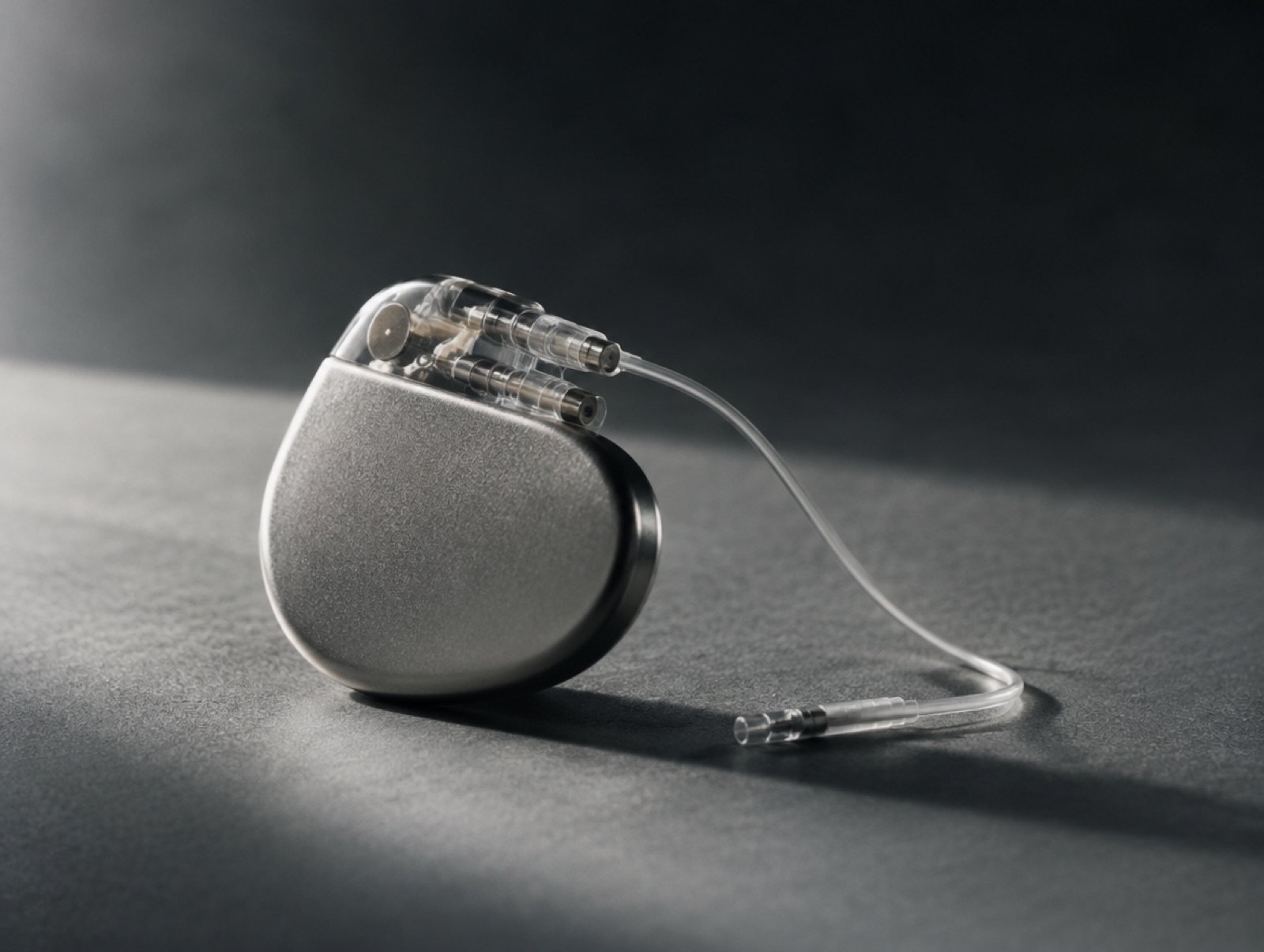 Under an hourIntrathecal Pain PumpsAn intrathecal pump is a small device implanted under the skin of the abdomen that delivers pain medication t…Read more →
 15–45 minNerve BlockA nerve block is an injection of local anesthetic, often with a steroid, placed next to a specific nerve or c…Read more →
 Trigger Point InjectionA trigger point injection treats a knot in a muscle, a tight band that will not release and that often refers…Read more →
 45 minJoint InjectionsA joint injection places medication directly into a painful joint, either a corticosteroid to reduce inflamma…Read more →
Questions
Multiple Sclerosis Pain, answered.
Do you treat multiple sclerosis?
No. MS itself is diagnosed and managed by a neurologist, who directs the treatment of the disease and monitors its course. Dr. Sheikh treats the pain and spasticity that accompany it, alongside that neurologist. If you do not currently have a neurologist managing your MS, that relationship comes first.
What kind of MS pain can be treated here?
Burning or squeezing nerve pain in the limbs and trunk, painful spasticity, trigeminal neuralgia, and the musculoskeletal pain in the back, hips and shoulders that comes from altered walking and from using assistive devices. That last group is often the most treatable and the most commonly written off as simply part of the MS. The disease itself stays with your neurologist.
Why does my back hurt if MS affects my nerves?
Because two different things are going on. One is central pain, generated by lesions in the brain and spinal cord. The other is ordinary mechanical pain from limping, uneven loading and hours in a chair, which would hurt in anyone. The mechanical part responds to the same treatments it would in someone without MS.
What is an intrathecal pump and who is it for?
It is a small implanted pump that delivers medication, commonly baclofen for spasticity, directly into the fluid around the spinal cord. That allows a much smaller dose than tablets, with fewer of the sedating side effects. It is considered when severe spasticity has not responded to oral medication, and a trial dose is given first to see whether it helps.
Will pain treatment interfere with my MS medication?
It should not, and the way to keep it that way is to coordinate. Treatment decisions here are made with your neurologist's plan in view, and they are kept informed. Nothing offered in this practice alters the course of MS or substitutes for the treatment your neurologist prescribes.
Get a real diagnosis for ms pain.
Three New Jersey offices, most insurance accepted, and a real opening on the calendar.